


Diving In Cozumel
DISCOVERING JACQUES COUSTEAU’S LEGENDARY CORAL CITIES
The Caribbean island of Cozumel is located 8 nautical miles and a 45-min ferry ride from Playa del Carmen. Home to Mayan goddess of fertility Ixchel and a center of annual pilgrimage for centuries, Cozumel remains an important destination for travelers seeking clear turquoise waters and laid-back island vibes. When famed underwater explorer Jacques Cousteau visited Cozumel in 1961, he discovered the massive coral formations of Palancar and labeled the island “paradise”.
Explore the miles-long reefs burgeoning with life as well as the plunging underwater cliffs of Palancar or Santa Rosa. A protected marine reserve since 1996 and, due to its strong currents, a crucial hub connecting Caribbean ecosystems, Cozumel’s reefs are home to a rich array of marine animals, from majestic eagle rays and timid nurse sharks to the endemic toadfish, a species found only in the island.
Around 8:00 AM start your day by meeting your guide at the dive center, reviewing your gear, and traveling to the cenote by van.
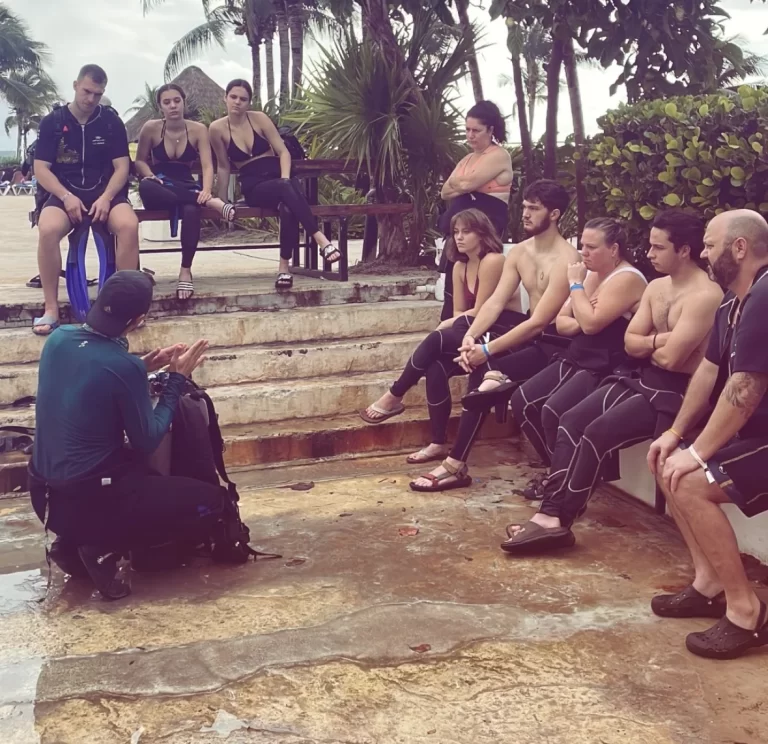
Receive a detailed safety briefing, get familiar with the equipment and learn about the dive plan and hand signals with your certified guide.
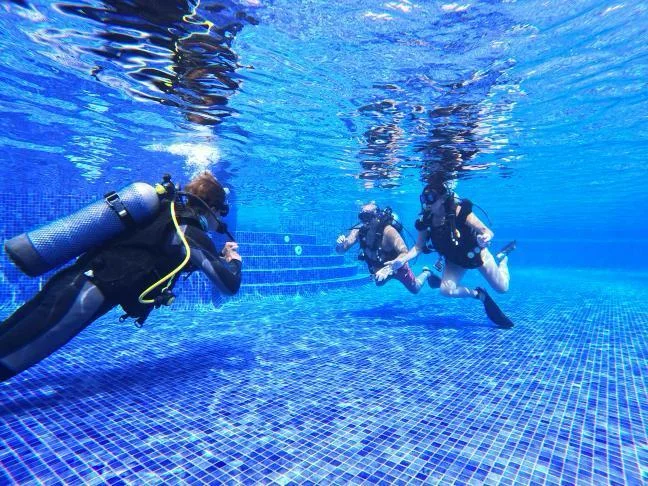
Enjoy two guided dives through stalactites, tree roots, and haloclines, observing cave-adapted wildlife and the extraordinary visibility unique to cenotes. During surface intervale you will receive some snacks & refreshments.
Exit the cenote safely, store your gear properly, and enjoy a light snack while debriefing before heading back.
Around 3:00 PM, we get back to the dive center, sharing your experience and reflecting on your adventure.
DISCOVERING JACQUES COUSTEAU’S LEGENDARY CORAL CITIES
Water
Round trnasportation
Snacks
Fruits and refreshments
Lamps, weights & tanks
Cenote entrance fee
Equipment rental
Photos and videos
Gratuities
Get a Good night’s sleep
Hydrate properly in advance
Eat a light, balanced meal
Do not drink excessively the night before
Insect repellent & sunscream are not allowed
DISCOVERING JACQUES COUSTEAU’S LEGENDARY CORAL CITIES
Cenote diving is very safe when done with certified guides, following the rules within established limits for depth, light, and experience level.
Depth varies by cenote. Recreational dives stay within safe depth limits, while deeper dives require advanced or technical certification.
Cenotes are privately owned, and the entrance fee is collected by the owners. The fee helps cover maintenance, safety, conservation, and guide services, ensuring that the cenote remains protected, accessible, and well-managed for visitors now and in the future.
Yes, as long as it doesn’t interfere with safety or damage the environment. Some cenotes may require special permission. And may have extra costs
Cenotes are primarily freshwater, though some have haloclines where freshwater and saltwater meet.
It’s different. Cenotes offer incredible visibility, unique geology, and light effects, while ocean dives offer marine life and currents.
No. Makeup, lotions, and oils can contaminate the water. Most cenotes require guests to rinse before entering.
Yes. You may see small freshwater fish, turtles in open cenotes, and unique cave-adapted species such as blind fish and shrimp in deeper areas.
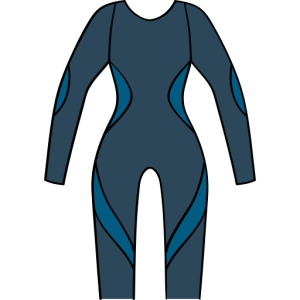
Water temperature is usually around 24–25°C (75–77°F) year-round. Wetsuits are suggested for comfort.
Crystal-clear freshwater, limestone formations, stalactites and stalagmites, natural light beams, tree roots, and sometimes haloclines.
No, for recreational cavern dives that stay in the light zone (60 meters from entrance).
Most dives last between 40 and 60 minutes, depending on air consumption and dive profile.
Most recreational cenote dives take place in wide, open caverns with visible exits and natural light, which many people find comfortable.
No. Cenotes are freshwater systems with no waves and almost no current, which makes diving calm and controlled.
Yes, depending on age, certification, and the specific cenote. Usually the minimum age is 15 years old.
For the ancient Maya, cenotes were sources of life and spiritual gateways to the underworld, giving them deep cultural significance.
Most sunscreens and repellents contain chemicals that contaminate cenote water and damage fragile ecosystems. Cenotes are closed freshwater systems, so pollutants stay trapped and can harm aquatic life and formations.