
Diving Reality

  • English
  • Español

Cenote Kukulcan (Chac Mool)

Cenote Kukulcan (chac Mool)

Dive into sacred lights, haloclines, and mythical caverns

Images by Triton Productions

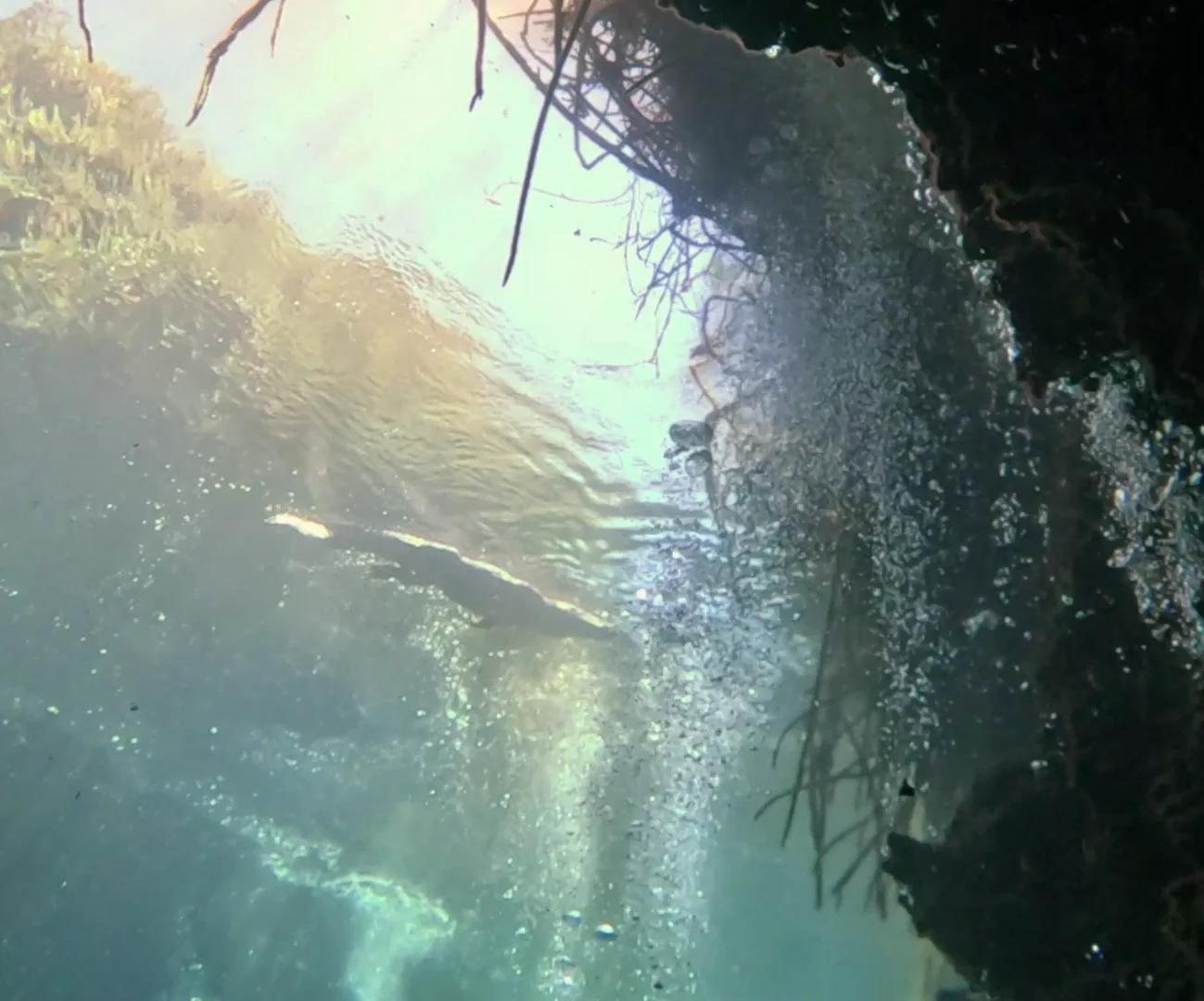
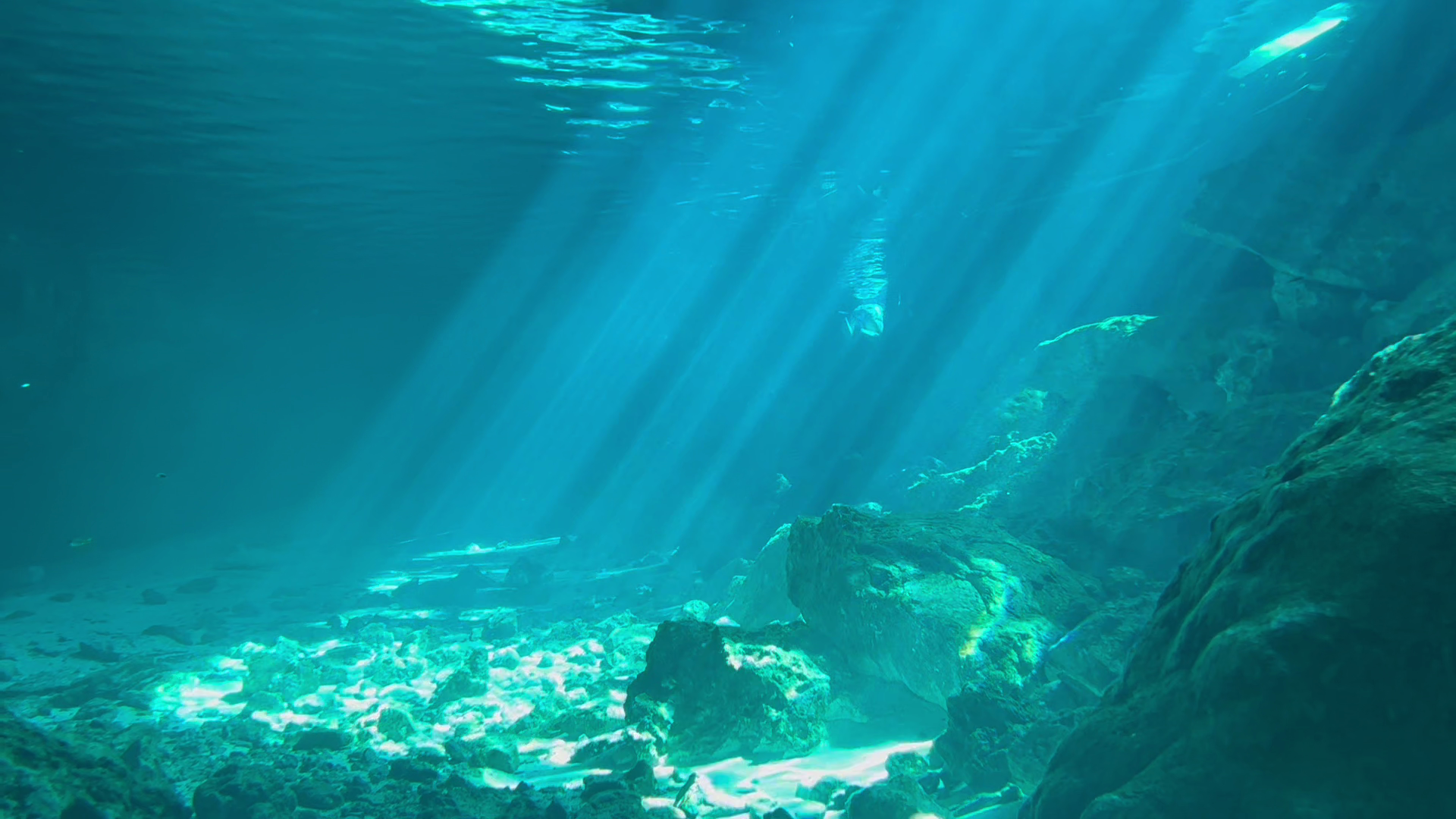
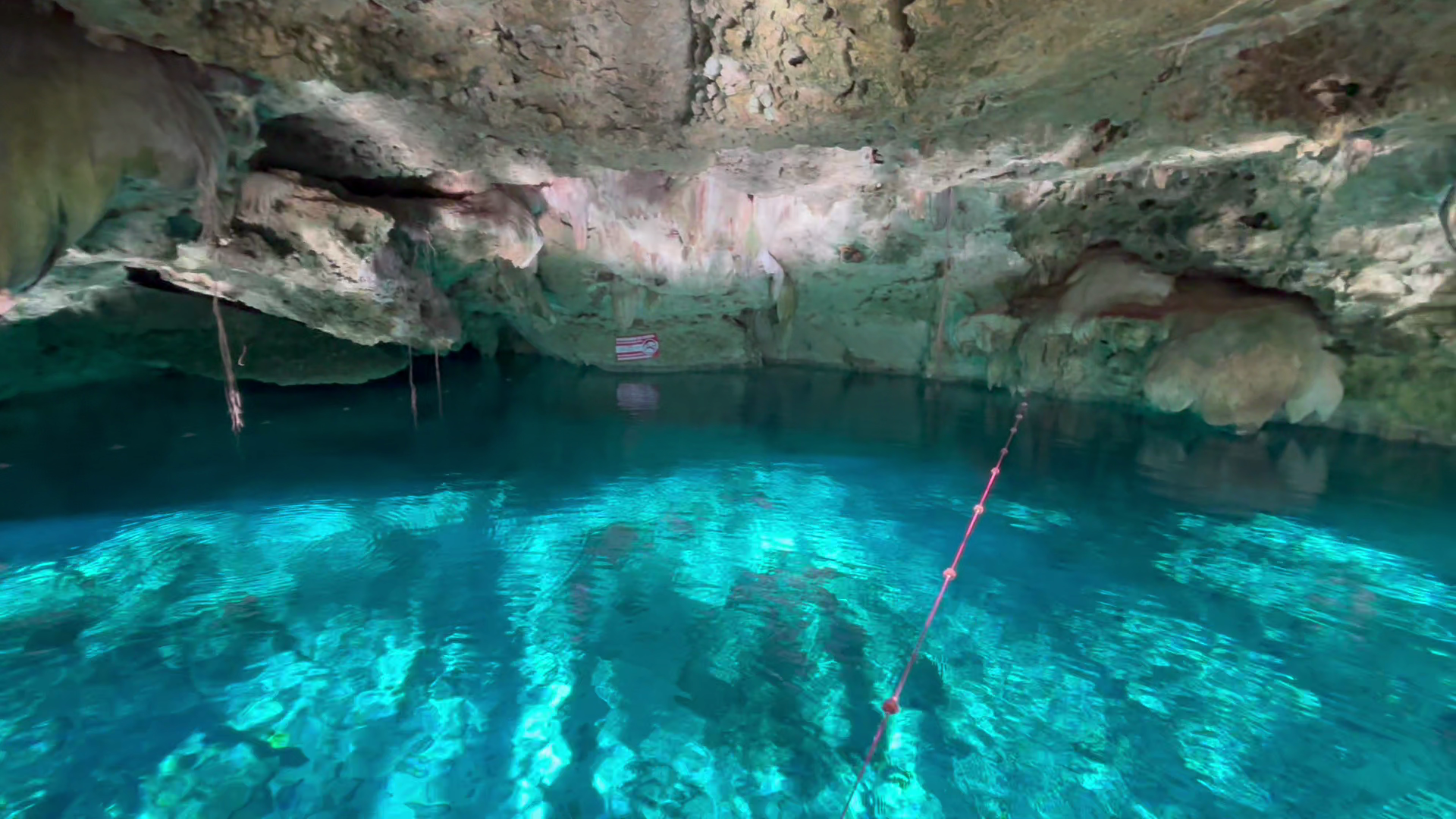
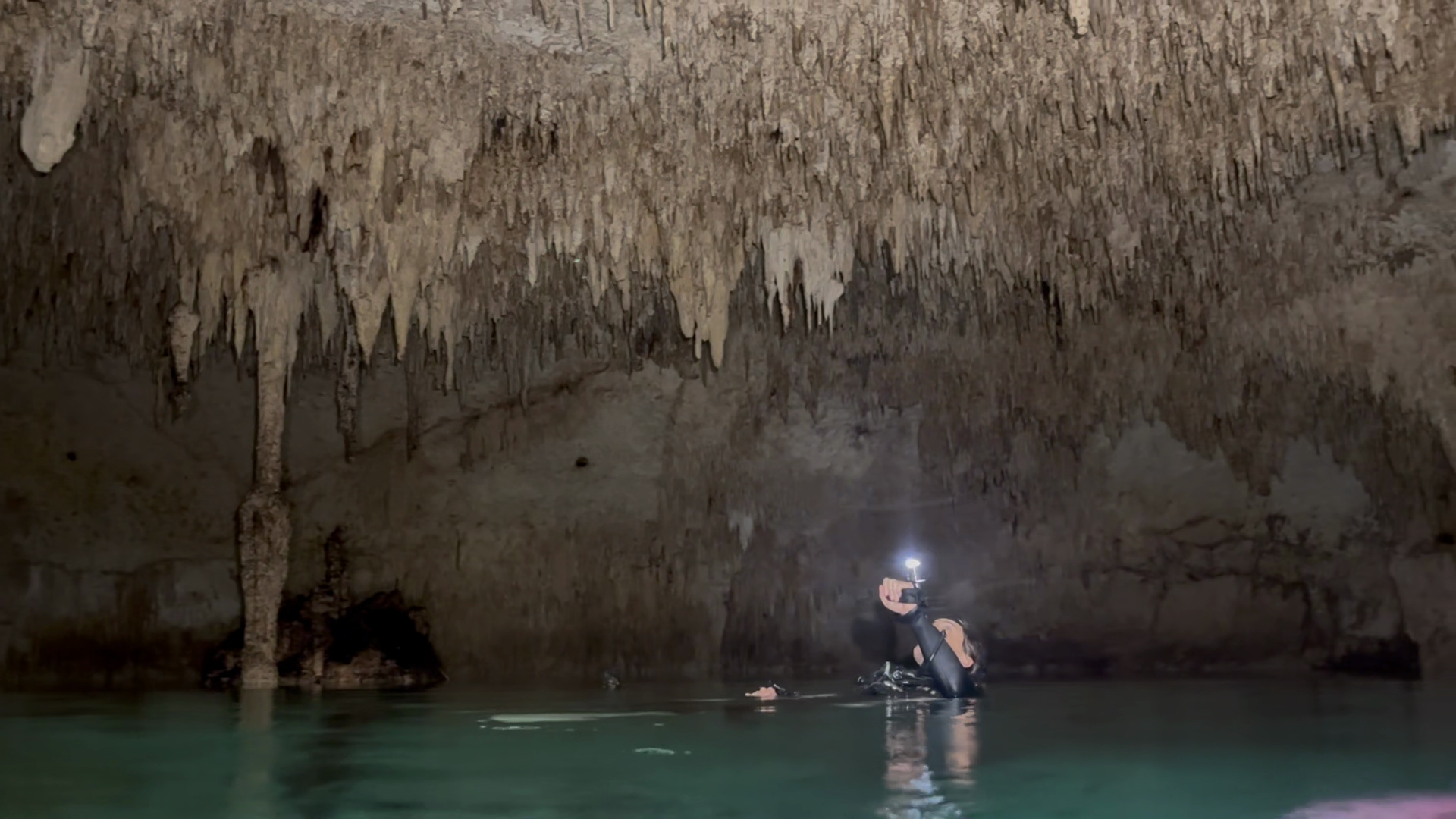
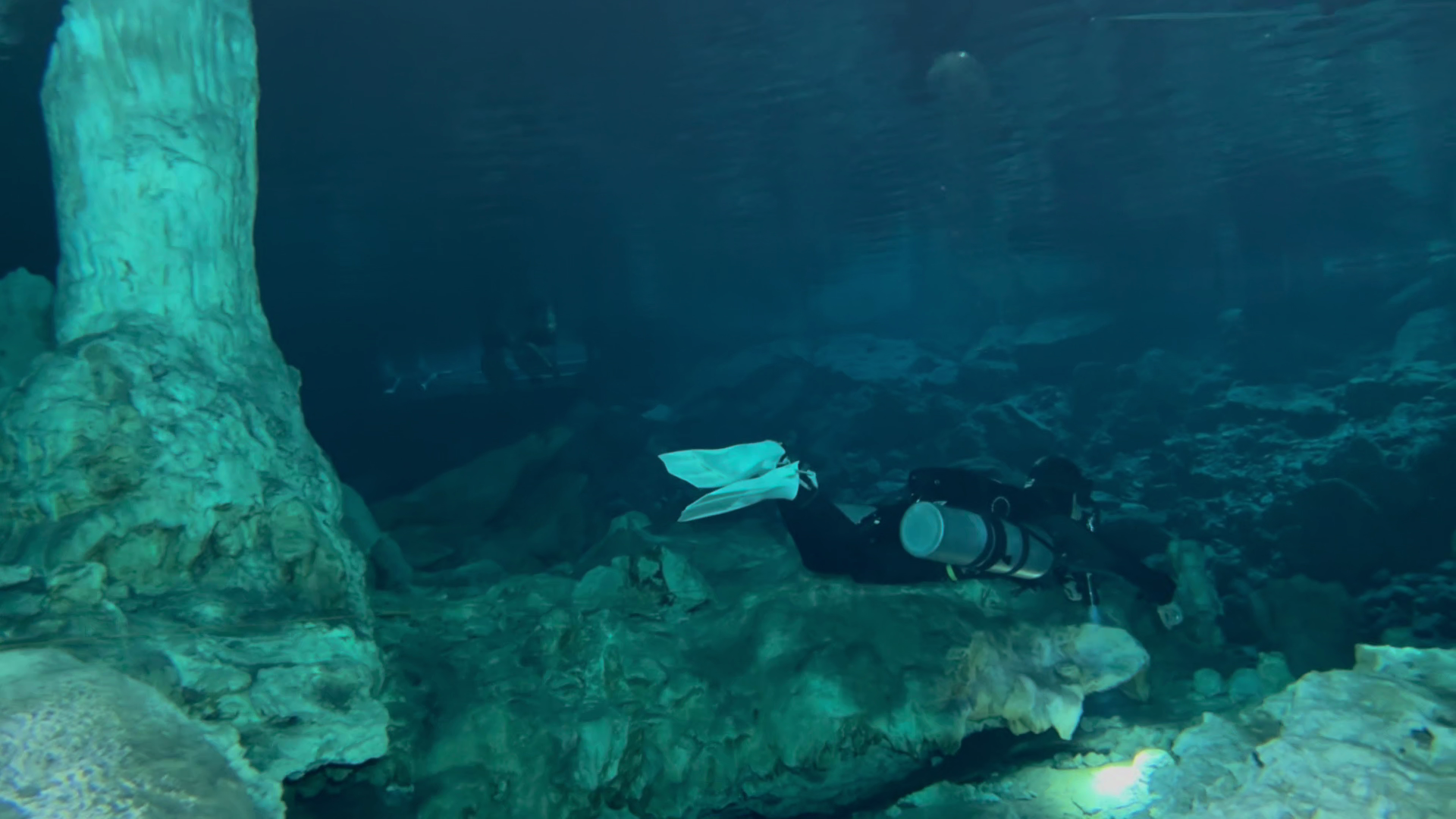
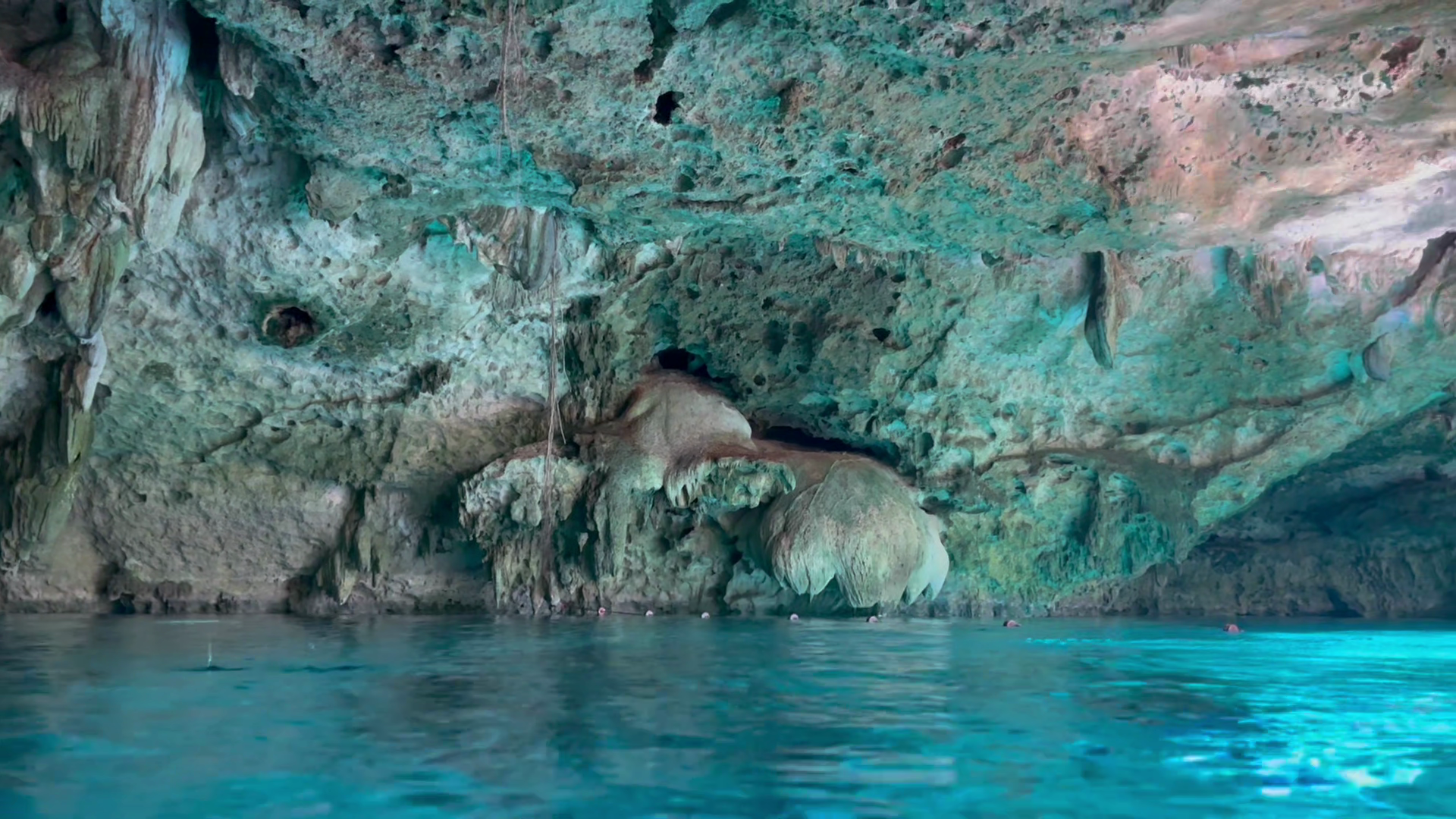
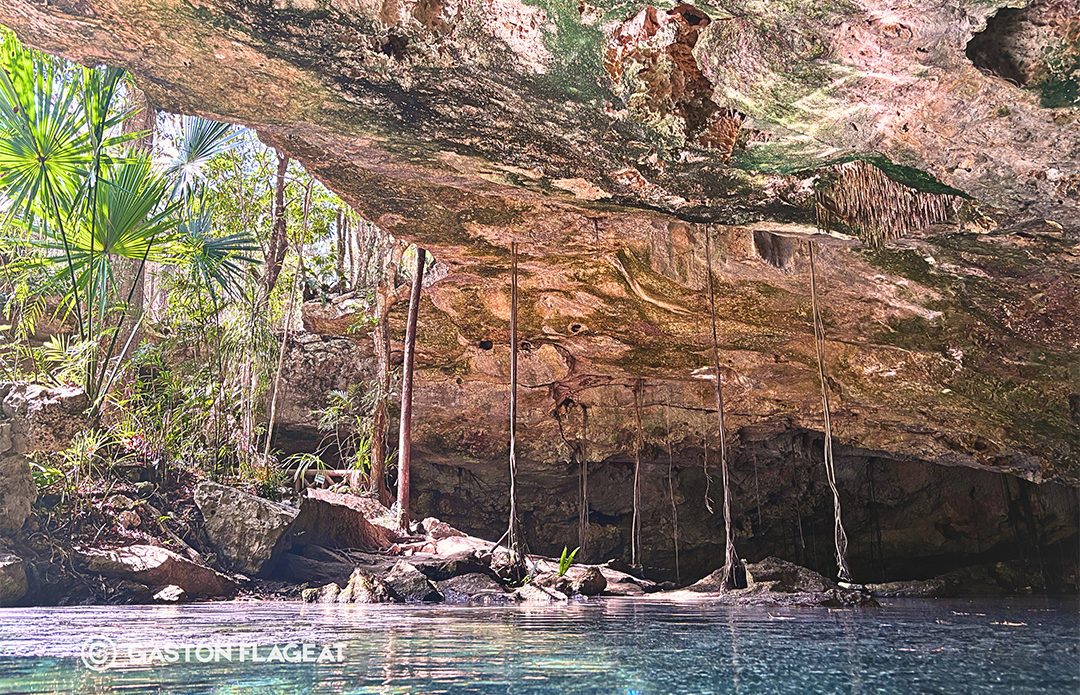
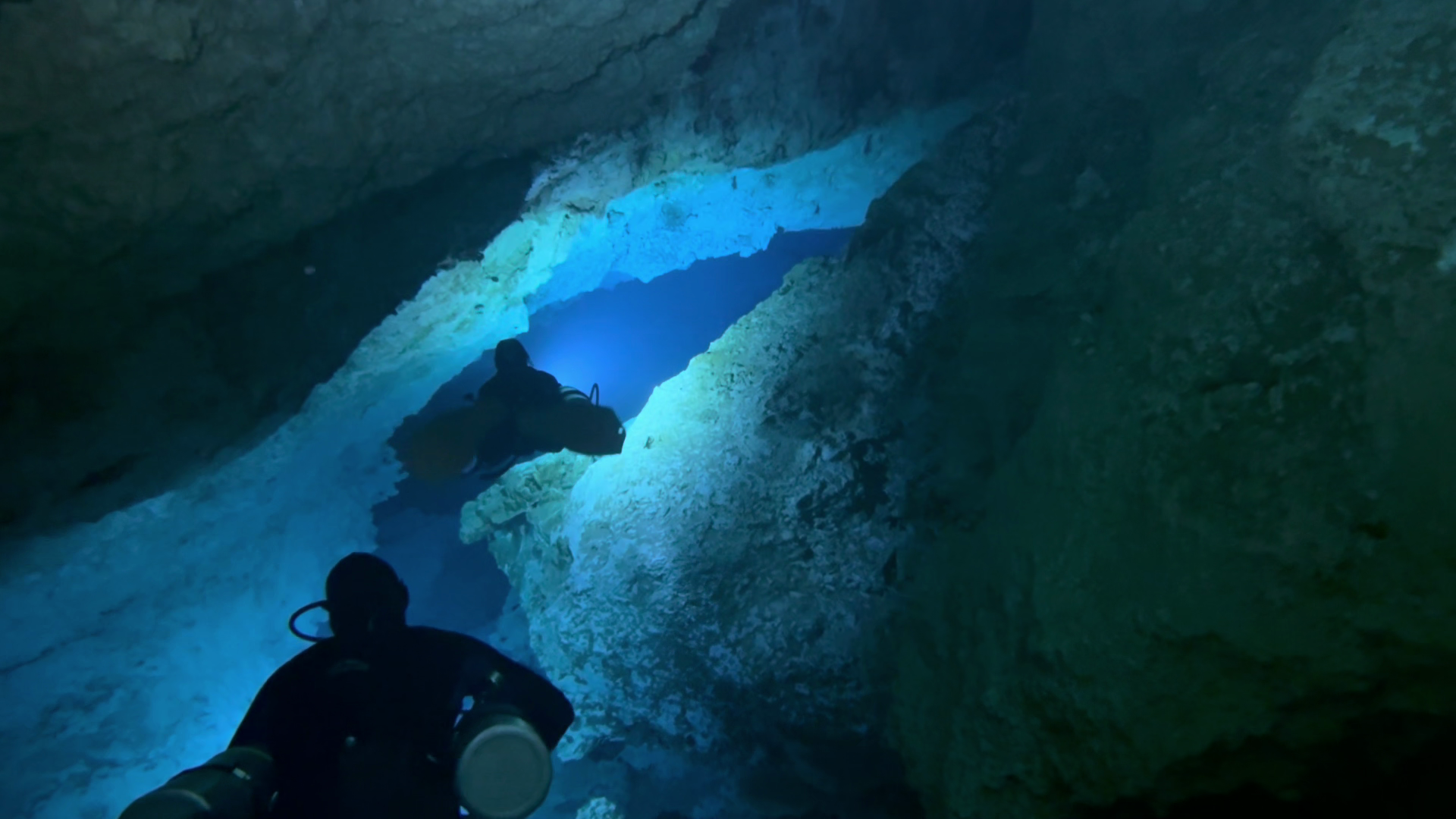
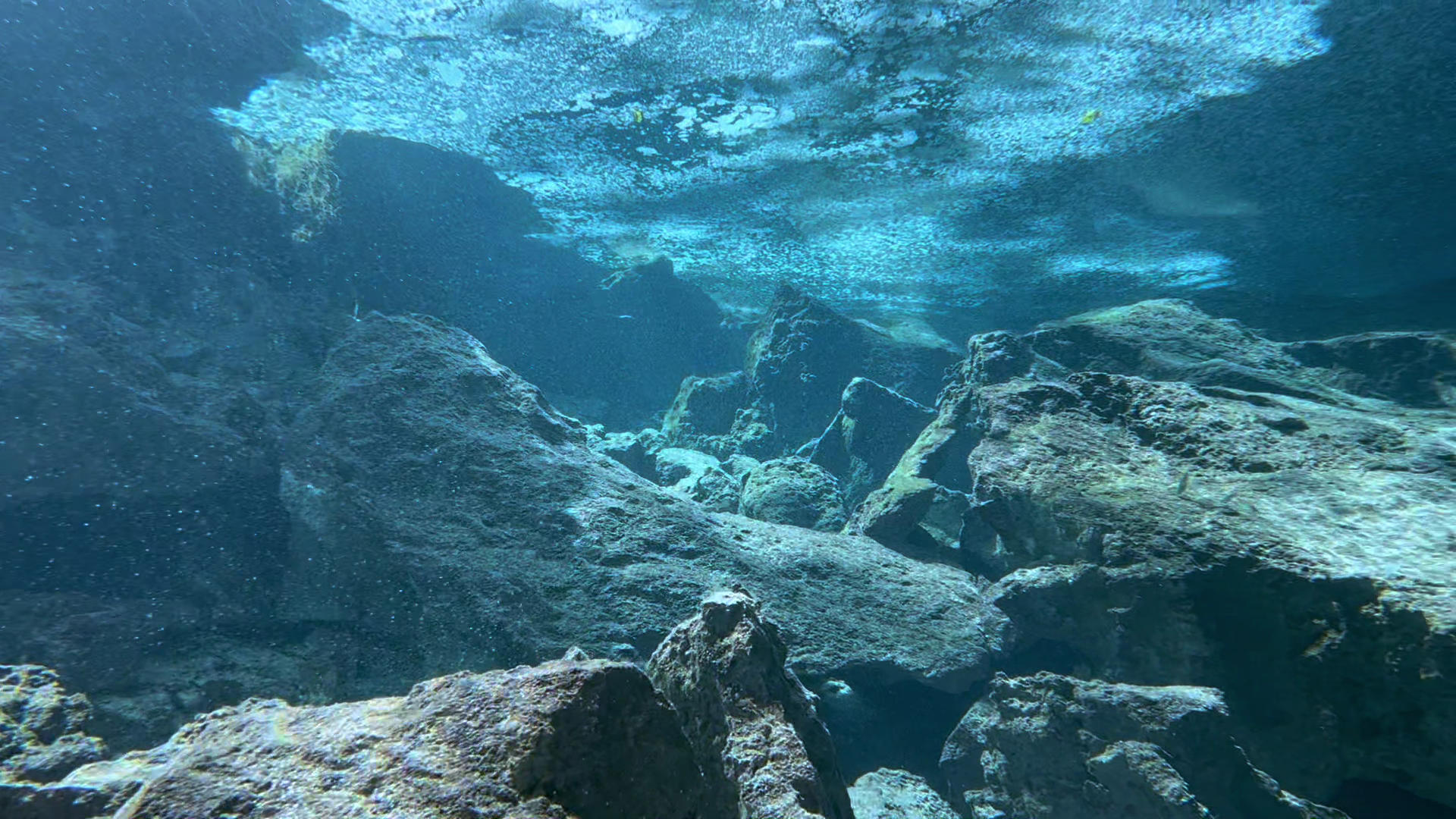
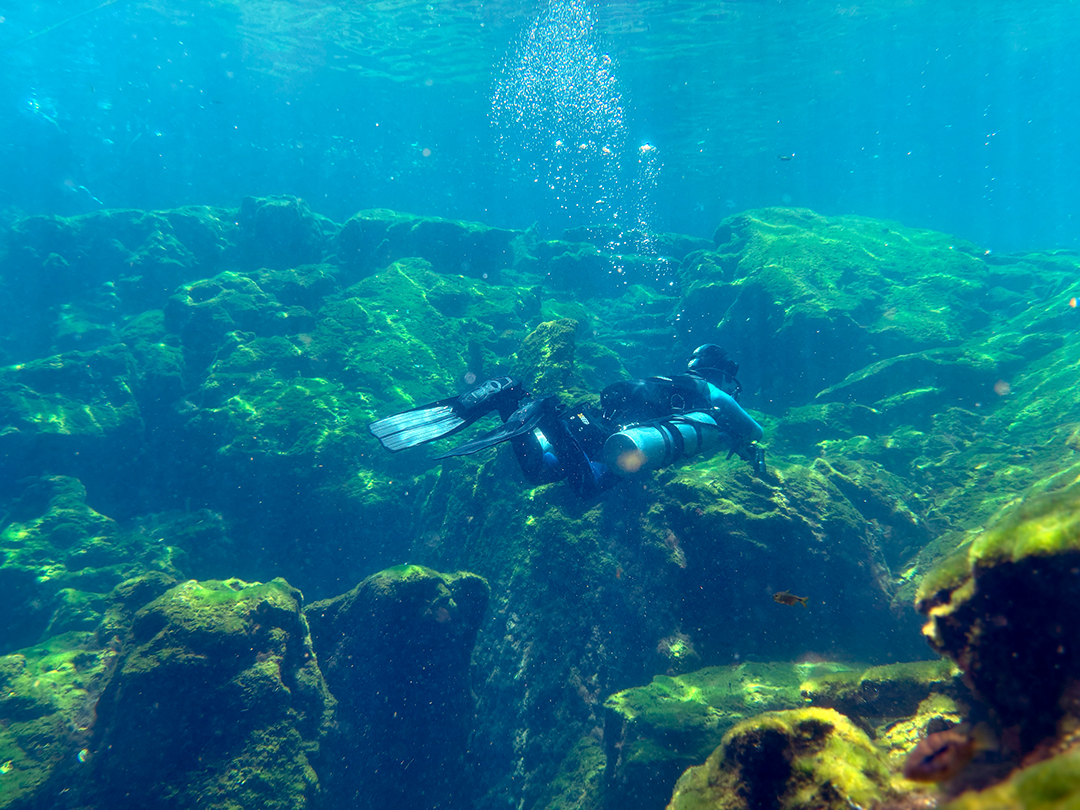
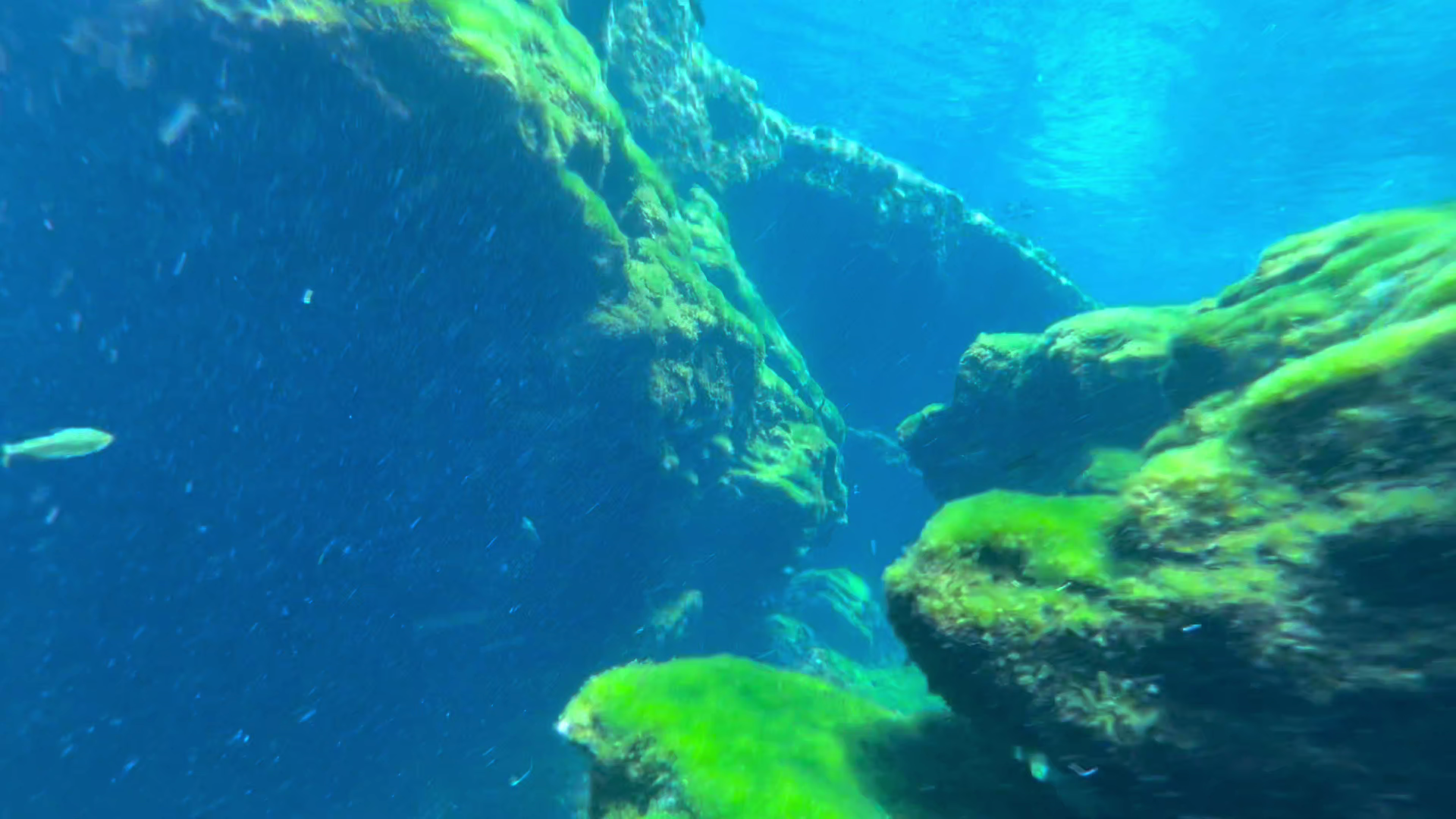
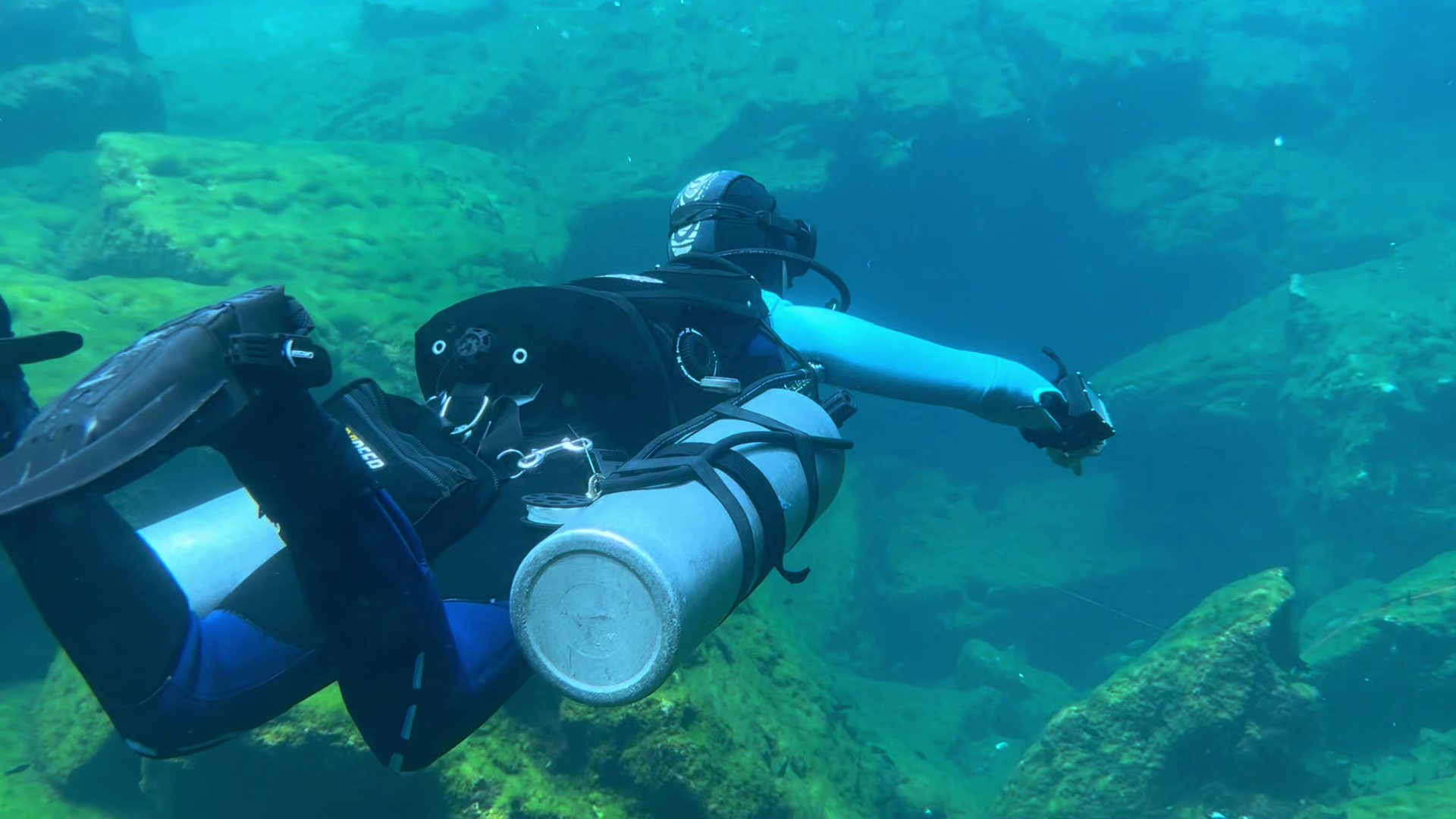
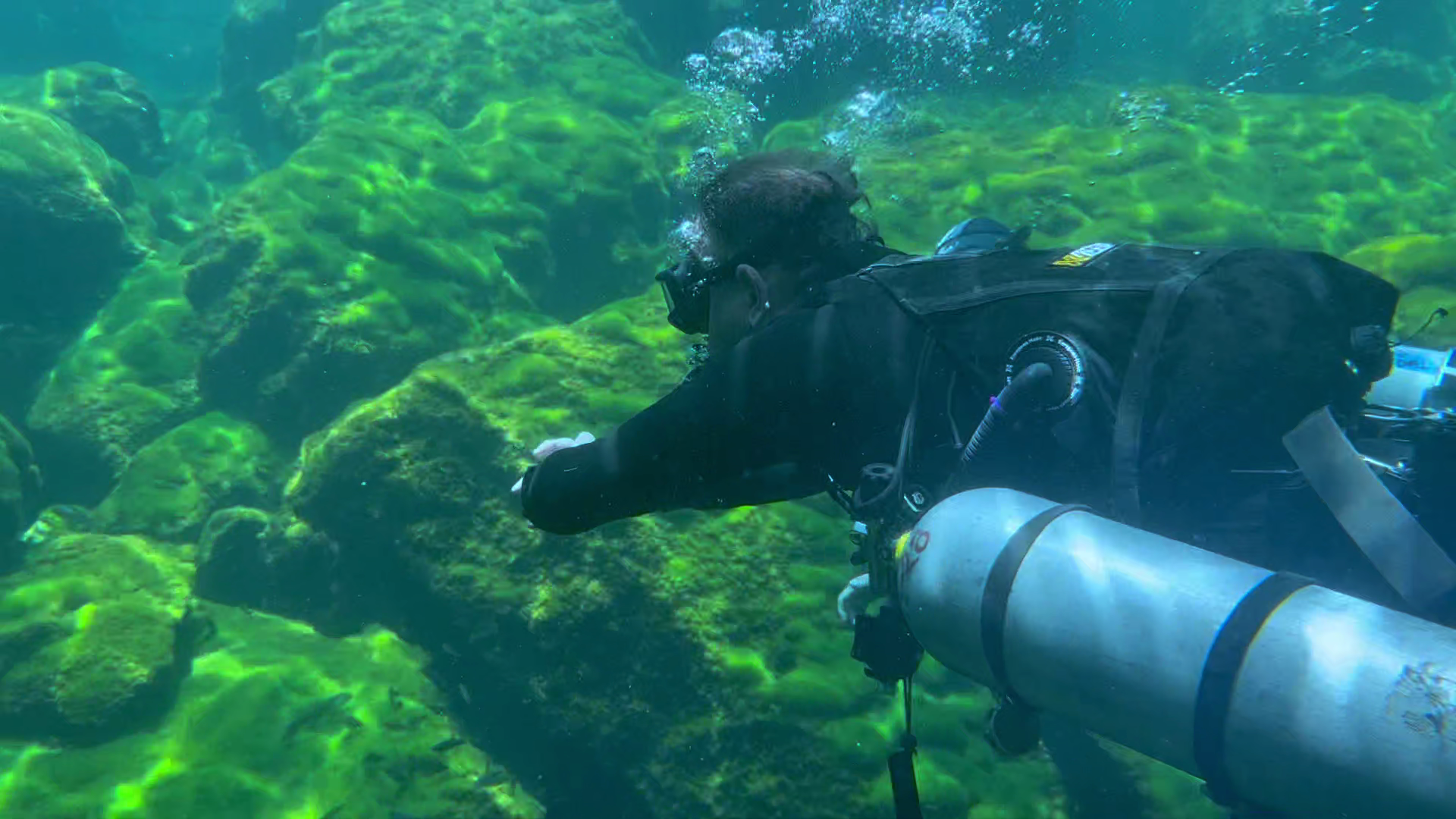
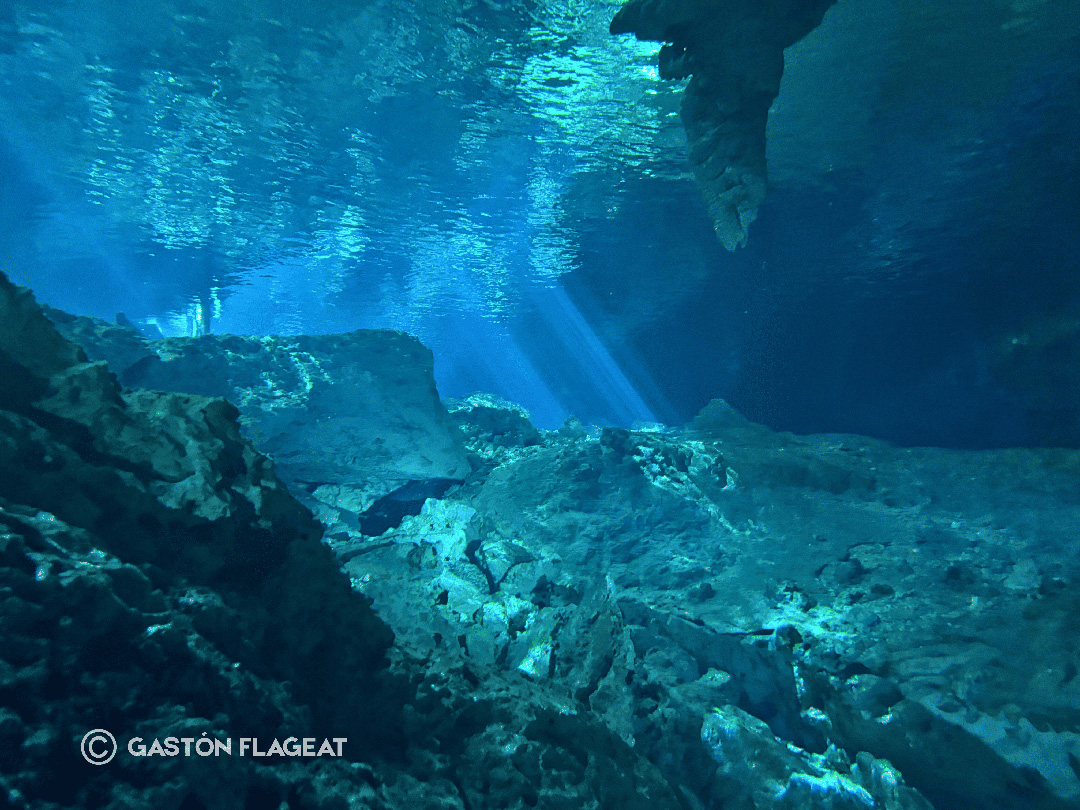
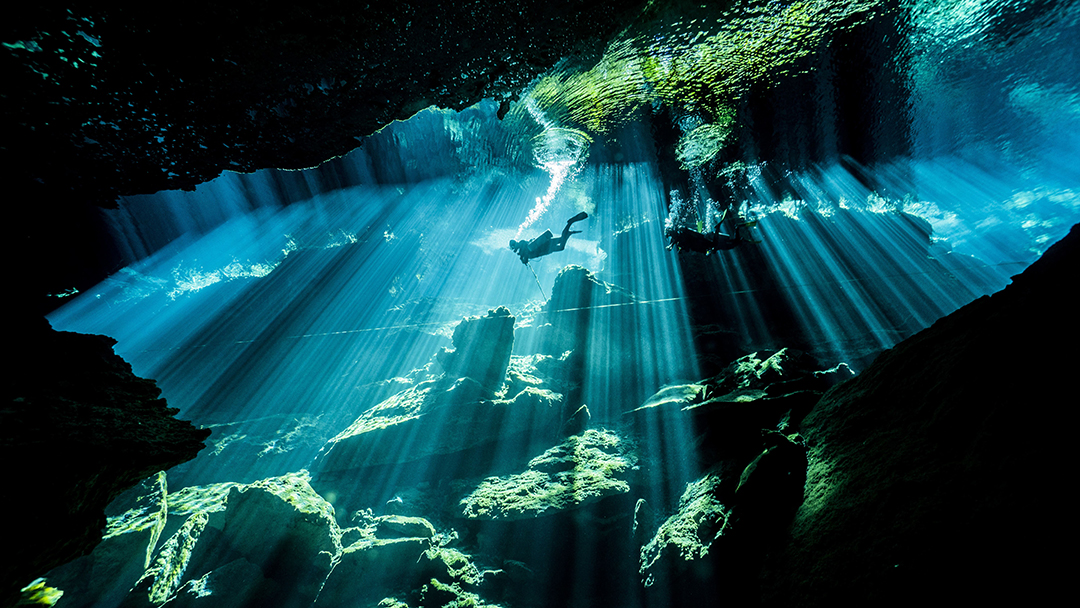
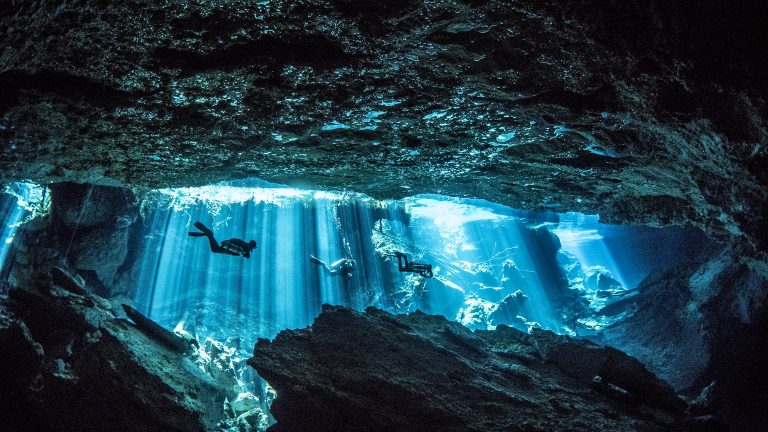
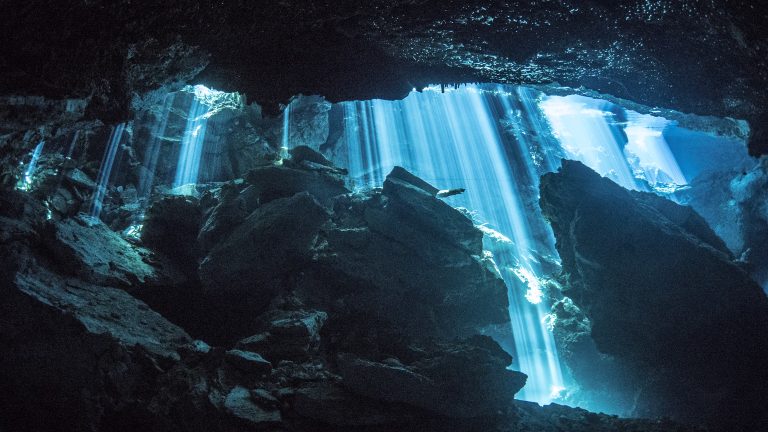
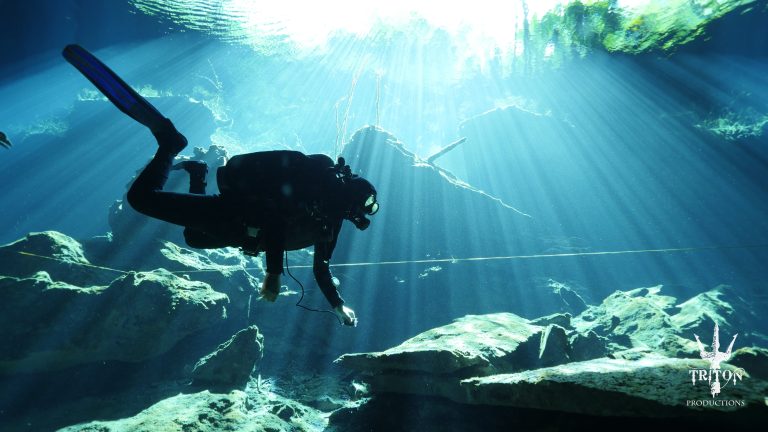
Chac Mool stands out for its plays of light and its spacious tunnels, making it one of the best cenotes for diving in Mexico.

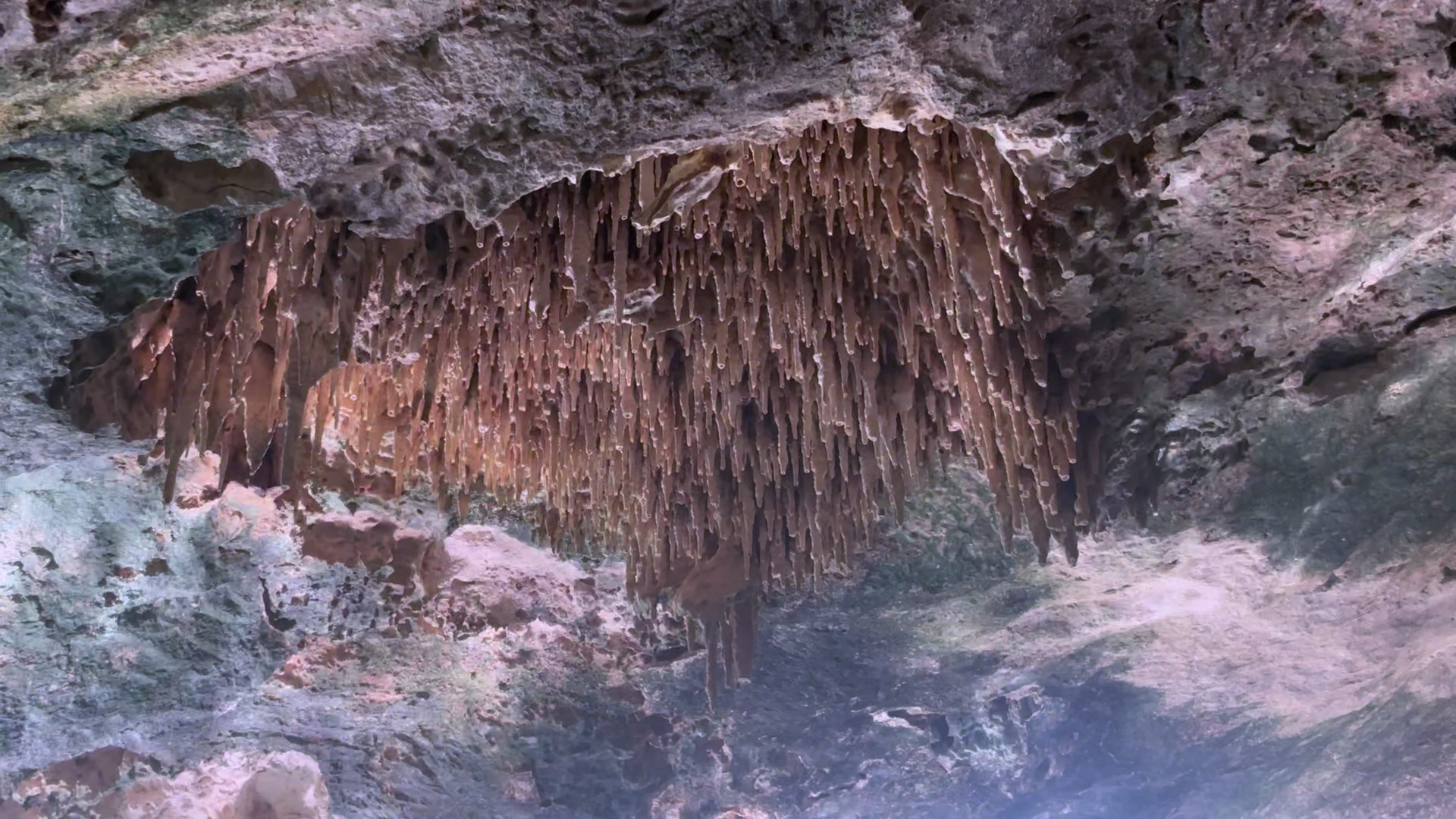
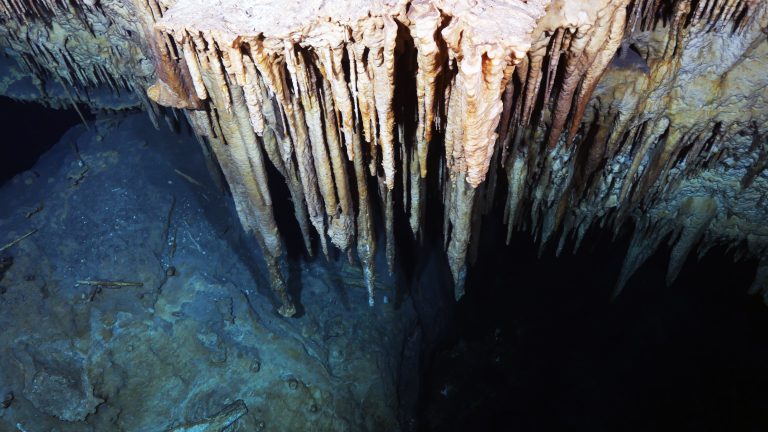
Chac Mool is one of the most iconic cenotes for cave diving thanks to its incredible combination of light, formations, and unique optical effects. The experience is highlighted by its comfortable passages, the perfectly visible halocline and spectacular formations.

THE EXPERIENCE

  • “The cenote with the best rays of light I’ve ever seen”


  • “Halocline seems like liquid magic”


  • “A perfect blend of adventure and tranquility”
  • Schedule

    Around 8:00 AM start your day by meeting your guide at the dive center, reviewing your gear, and traveling to the cenote by van.

  • Briefing & Preparation

    Receive a detailed safety briefing, get familiar with the equipment and learn about the dive plan and hand signals with your certified guide.

  • Diving (2 dives)

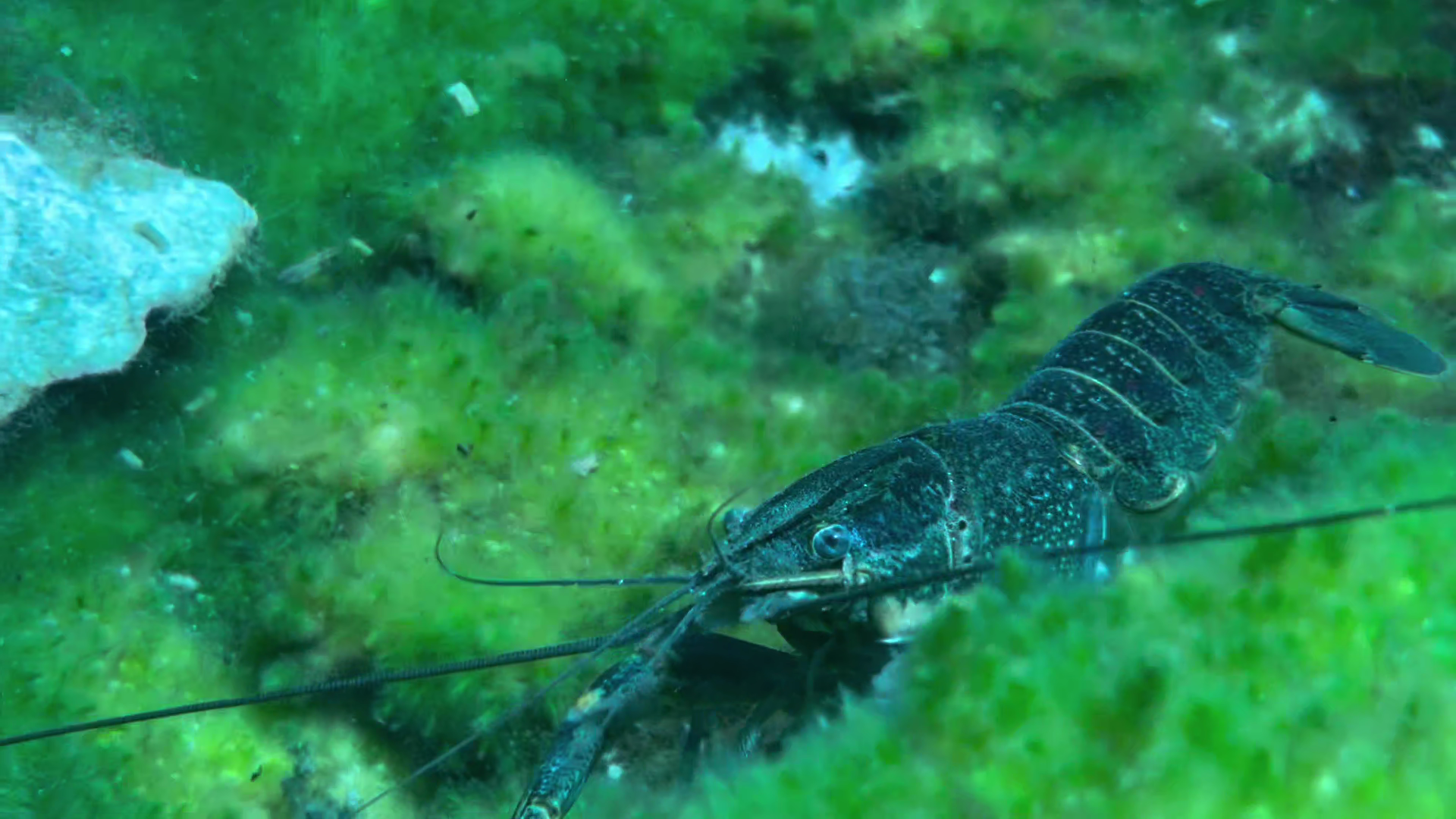
    Enjoy two guided dives through stalactites, tree roots, and haloclines, observing cave-adapted wildlife and the extraordinary visibility unique to cenotes. During surface intervale you will receive some snacks & refreshments.

  • Equipment storage & Snacks

    Exit the cenote safely, store your gear properly, and enjoy a light snack while debriefing before heading back.

  • Return

    Around 3:00 PM, we get back to the dive center, sharing your experience and reflecting on your adventure.

Cenote Kukulcan (chac Mool)

Dive into sacred lights, haloclines, and mythical caverns

WHAT IS INCLUDED

Water

  Round transportation

  Snacks

  Fruits and refreshments

Lamps, weights & tanks

WHAT IS NOT INCLUDED

Cenote entrance fee

Equipment rental

📷 Photos and videos

  Gratuities

Recommendations

Get a Good night’s sleep

Hydrate properly in advance

Eat a light, balanced meal

Do not drink excessively the night before

Insect repellent & sunscream are not allowed

Cenote Kukulcan (chac Mool)

Dive into sacred lights, haloclines, and mythical caverns

Frequently Asked Questions

Do I need a certification to dive in cenotes?
Yes, open water certification is required as minimum. 
Is cenote diving dangerous?

Cenote diving is very safe when done with certified guides, following the rules within established limits for depth, light, and experience level.

How deep are cenote dives?

Depth varies by cenote. Recreational dives stay within safe depth limits, while deeper dives require advanced or technical certification.

Why do cenotes charge an entrance fee?

Cenotes are privately owned, and the entrance fee is collected by the owners. The fee helps cover maintenance, safety, conservation, and guide services, ensuring that the cenote remains protected, accessible, and well-managed for visitors now and in the future.

Can I bring a camera or GoPro?

Yes, as long as it doesn’t interfere with safety or damage the environment. Some cenotes may require special permission. And may have extra costs

Are cenotes saltwater or freshwater?

Cenotes are primarily freshwater, though some have haloclines where freshwater and saltwater meet.

Is cenote diving better than ocean diving?

It’s different. Cenotes offer incredible visibility, unique geology, and light effects, while ocean dives offer marine life and currents.

Can I wear makeup or lotions before diving?

No. Makeup, lotions, and oils can contaminate the water. Most cenotes require guests to rinse before entering.

Do cenotes have fish or wildlife?

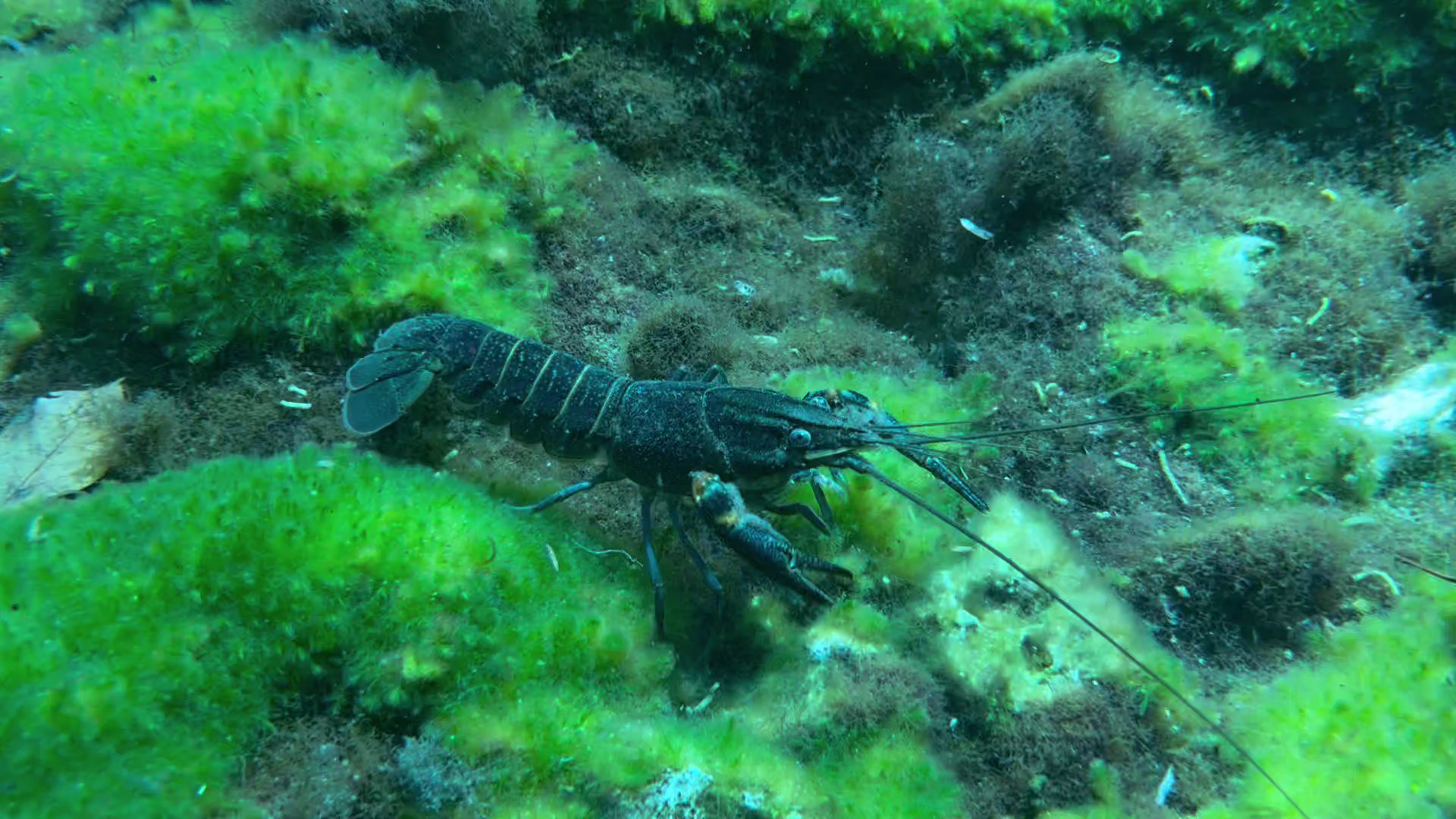
Yes. You may see small freshwater fish, turtles in open cenotes, and unique cave-adapted species such as blind fish and shrimp in deeper areas.

Is the water cold?

Water temperature is usually around 24–25°C (75–77°F) year-round. Wetsuits are suggested for comfort.

What will I see underwater?

Crystal-clear freshwater, limestone formations, stalactites and stalagmites, natural light beams, tree roots, and sometimes haloclines.

Do I need previous cavern experience?

No, for recreational cavern dives that stay in the light zone (60 meters from entrance). 

How long does a cenote dive last?

Most dives last between 40 and 60 minutes, depending on air consumption and dive profile.

Is cenote diving suitable for claustrophobic people?

Most recreational cenote dives take place in wide, open caverns with visible exits and natural light, which many people find comfortable.

Do cenotes have currents or waves?

No. Cenotes are freshwater systems with no waves and almost no current, which makes diving calm and controlled.

Can children dive in cenotes?

Yes, depending on age, certification, and the specific cenote. Usually the minimum age is 15 years old.

Why are cenotes considered sacred?

For the ancient Maya, cenotes were sources of life and spiritual gateways to the underworld, giving them deep cultural significance.

Why can’t I use sunscreen or insect repellent in cenotes?

Most sunscreens and repellents contain chemicals that contaminate cenote water and damage fragile ecosystems. Cenotes are closed freshwater systems, so pollutants stay trapped and can harm aquatic life and formations.

Explore the crystal-clear waters and ancient Mayan secrets of Mexico's underground rivers

Cenote Chikin Ha

Cenote chikin ha

A journey through light, roots, and underground mirrors

Chikin Ha is known for its crystal clear waters, visual effects in the halocline and its natural environment surrounded by jungle.

Chikin Ha is a cenote surrounded by vibrant jungle and natural energy, famous for its perfect combination of gentle haloclines, plays of light, and a tranquil atmosphere that exudes absolute calm. Its name means “Water of the West” in Mayan, and from the very first moment, you feel that peaceful and sacred essence.

THE EXPERIENCE

  • “An experience of peace and tranquility… it truly is a place to connect with nature”
  • “Halocline looks like a perfect mirror”
  • “Entrance surrounded by jungle, perfect for photographies”
  • Schedule

    Around 8:00 AM start your day by meeting your guide at the dive center, reviewing your gear, and traveling to the cenote by van.

  • Briefing & Preparation

    Receive a detailed safety briefing, get familiar with the equipment and learn about the dive plan and hand signals with your certified guide.

  • Diving (2 dives)

    Enjoy two guided dives through stalactites, tree roots, and haloclines, observing cave-adapted wildlife and the extraordinary visibility unique to cenotes. During surface intervale you will receive some snacks & refreshments.

  • Equipment storage & Snacks

    Exit the cenote safely, store your gear properly, and enjoy a light snack while debriefing before heading back.

  • Return

    Around 3:00 PM, we get back to the dive center, sharing your experience and reflecting on your adventure.

Cenote chikin ha

A journey through light, roots, and underground mirrors

WHAT IS INCLUDED

Water

  Round transportation

  Snacks

  Fruits and refreshments

Lamps, weights & tanks

WHAT IS NOT INCLUDED

Cenote entrance fee

Equipment rental

📷 Photos and videos

  Gratuities

Recommendations

Get a Good night’s sleep

Hydrate properly in advance

Eat a light, balanced meal

Do not drink excessively the night before

Insect repellent & sunscream are not allowed

Cenote chikin ha

A journey through light, roots, and underground mirrors

Frequently Asked Questions

Do I need a certification to dive in cenotes?
Yes, open water certification is required as minimum. 
Is cenote diving dangerous?

Cenote diving is very safe when done with certified guides, following the rules within established limits for depth, light, and experience level.

How deep are cenote dives?

Depth varies by cenote. Recreational dives stay within safe depth limits, while deeper dives require advanced or technical certification.

Why do cenotes charge an entrance fee?

Cenotes are privately owned, and the entrance fee is collected by the owners. The fee helps cover maintenance, safety, conservation, and guide services, ensuring that the cenote remains protected, accessible, and well-managed for visitors now and in the future.

Can I bring a camera or GoPro?

Yes, as long as it doesn’t interfere with safety or damage the environment. Some cenotes may require special permission. And may have extra costs

Are cenotes saltwater or freshwater?

Cenotes are primarily freshwater, though some have haloclines where freshwater and saltwater meet.

Is cenote diving better than ocean diving?

It’s different. Cenotes offer incredible visibility, unique geology, and light effects, while ocean dives offer marine life and currents.

Can I wear makeup or lotions before diving?

No. Makeup, lotions, and oils can contaminate the water. Most cenotes require guests to rinse before entering.

Do cenotes have fish or wildlife?

Yes. You may see small freshwater fish, turtles in open cenotes, and unique cave-adapted species such as blind fish and shrimp in deeper areas.

Is the water cold?

Water temperature is usually around 24–25°C (75–77°F) year-round. Wetsuits are suggested for comfort.

What will I see underwater?

Crystal-clear freshwater, limestone formations, stalactites and stalagmites, natural light beams, tree roots, and sometimes haloclines.

Do I need previous cavern experience?

No, for recreational cavern dives that stay in the light zone (60 meters from entrance). 

How long does a cenote dive last?

Most dives last between 40 and 60 minutes, depending on air consumption and dive profile.

Is cenote diving suitable for claustrophobic people?

Most recreational cenote dives take place in wide, open caverns with visible exits and natural light, which many people find comfortable.

Do cenotes have currents or waves?

No. Cenotes are freshwater systems with no waves and almost no current, which makes diving calm and controlled.

Can children dive in cenotes?

Yes, depending on age, certification, and the specific cenote. Usually the minimum age is 15 years old.

Why are cenotes considered sacred?

For the ancient Maya, cenotes were sources of life and spiritual gateways to the underworld, giving them deep cultural significance.

Why can’t I use sunscreen or insect repellent in cenotes?

Most sunscreens and repellents contain chemicals that contaminate cenote water and damage fragile ecosystems. Cenotes are closed freshwater systems, so pollutants stay trapped and can harm aquatic life and formations.

Explore the crystal-clear waters and ancient Mayan secrets of Mexico's underground rivers

Cenote Eden

Cenote Eden

Crystal-clear water gardens in the heart of the Riviera Maya

Eden is perfect for certified divers of all levels looking to experience one of the most scenic cenotes in the Riviera Maya.

One of the favorite spot for scuba diving thanks to its crystal‑clear water, excellent visibility, and stunning light beams that illuminate the cavern system. Divers can enjoy both shallow open‑water sections and easy cavern dives with mesmerizing haloclinal effects and fossil‑adorned limestone.

THE EXPERIENCE

  • “Swimming alongside sailfin mollies and turtles made it feel like a natural aquarium”


  • “Easy entry, very clear water and excellent dive conditions”


  • “Open water diving here is easy and relaxed with stunning light beams and haloclinal effects”
  • Schedule

    Around 8:00 AM start your day by meeting your guide at the dive center, reviewing your gear, and traveling to the cenote by van.

  • Briefing & Preparation

    Receive a detailed safety briefing, get familiar with the equipment and learn about the dive plan and hand signals with your certified guide.

  • Diving (2 dives)

    Enjoy two guided dives through stalactites, tree roots, and haloclines, observing cave-adapted wildlife and the extraordinary visibility unique to cenotes. During surface intervale you will receive some snacks & refreshments.

  • Equipment storage & Snacks

    Exit the cenote safely, store your gear properly, and enjoy a light snack while debriefing before heading back.

  • Return

    Around 3:00 PM, we get back to the dive center, sharing your experience and reflecting on your adventure.

Cenote Eden

Crystal-clear water gardens in the heart of the Riviera Maya

WHAT IS INCLUDED

Water

  Round transportation

  Snacks

  Fruits and refreshments

Lamps, weights & tanks

WHAT IS NOT INCLUDED

Cenote entrance fee

Equipment rental

📷 Photos and videos

  Gratuities

Recommendations

Get a Good night’s sleep

Hydrate properly in advance

Eat a light, balanced meal

Do not drink excessively the night before

Insect repellent & sunscream are not allowed

Cenote Eden

Crystal-clear water gardens in the heart of the Riviera Maya

Frequently Asked Questions

Do I need a certification to dive in cenotes?
Yes, open water certification is required as minimum. 
Is cenote diving dangerous?

Cenote diving is very safe when done with certified guides, following the rules within established limits for depth, light, and experience level.

How deep are cenote dives?

Depth varies by cenote. Recreational dives stay within safe depth limits, while deeper dives require advanced or technical certification.

Why do cenotes charge an entrance fee?

Cenotes are privately owned, and the entrance fee is collected by the owners. The fee helps cover maintenance, safety, conservation, and guide services, ensuring that the cenote remains protected, accessible, and well-managed for visitors now and in the future.

Can I bring a camera or GoPro?

Yes, as long as it doesn’t interfere with safety or damage the environment. Some cenotes may require special permission. And may have extra costs

Are cenotes saltwater or freshwater?

Cenotes are primarily freshwater, though some have haloclines where freshwater and saltwater meet.

Is cenote diving better than ocean diving?

It’s different. Cenotes offer incredible visibility, unique geology, and light effects, while ocean dives offer marine life and currents.

Can I wear makeup or lotions before diving?

No. Makeup, lotions, and oils can contaminate the water. Most cenotes require guests to rinse before entering.

Do cenotes have fish or wildlife?

Yes. You may see small freshwater fish, turtles in open cenotes, and unique cave-adapted species such as blind fish and shrimp in deeper areas.

Is the water cold?

Water temperature is usually around 24–25°C (75–77°F) year-round. Wetsuits are suggested for comfort.

What will I see underwater?

Crystal-clear freshwater, limestone formations, stalactites and stalagmites, natural light beams, tree roots, and sometimes haloclines.

Do I need previous cavern experience?

No, for recreational cavern dives that stay in the light zone (60 meters from entrance). 

How long does a cenote dive last?

Most dives last between 40 and 60 minutes, depending on air consumption and dive profile.

Is cenote diving suitable for claustrophobic people?

Most recreational cenote dives take place in wide, open caverns with visible exits and natural light, which many people find comfortable.

Do cenotes have currents or waves?

No. Cenotes are freshwater systems with no waves and almost no current, which makes diving calm and controlled.

Can children dive in cenotes?

Yes, depending on age, certification, and the specific cenote. Usually the minimum age is 15 years old.

Why are cenotes considered sacred?

For the ancient Maya, cenotes were sources of life and spiritual gateways to the underworld, giving them deep cultural significance.

Why can’t I use sunscreen or insect repellent in cenotes?

Most sunscreens and repellents contain chemicals that contaminate cenote water and damage fragile ecosystems. Cenotes are closed freshwater systems, so pollutants stay trapped and can harm aquatic life and formations.

Explore the crystal-clear waters and ancient Mayan secrets of Mexico's underground rivers

Casa Cenote (Cenote Manati)

Casa Cenote (Cenote Manati)

Where fresh water meets the sea

Also known as Cenote Manatí, it is one of the most unique cenotes on the Riviera Maya. This open cenote is directly connected to the sea, allowing fresh and salt water to mix and creating a unique ecosystem.

Casa Cenote offers a unique experience compared to traditional cenotes, with shallow tunnels, submerged mangroves, and a rich diversity of marine and freshwater life. It’s common to see tropical fish, tarpon, rays, and, at certain times of the year, manatees.

THE EXPERIENCE

  • “Amazing!, Like swimming under a jungle river with great visibility”


  • “Loved the overall vibe — quiet, scenic, and a nice experience away from crowded cenotes”


  • “Such a magical setting where freshwater meets the sea… great snorkeling and scuba diving spot”
  • Schedule

    Around 8:00 AM start your day by meeting your guide at the dive center, reviewing your gear, and traveling to the cenote by van.

  • Briefing & Preparation

    Receive a detailed safety briefing, get familiar with the equipment and learn about the dive plan and hand signals with your certified guide.

  • Diving (2 dives)

    Enjoy two guided dives through stalactites, tree roots, and haloclines, observing cave-adapted wildlife and the extraordinary visibility unique to cenotes. During surface intervale you will receive some snacks & refreshments.

  • Equipment storage & Snacks

    Exit the cenote safely, store your gear properly, and enjoy a light snack while debriefing before heading back.

  • Return

    Around 3:00 PM, we get back to the dive center, sharing your experience and reflecting on your adventure.

Casa Cenote (Cenote Manati)

Where fresh water meets the sea

WHAT IS INCLUDED

Water

  Round transportation

  Snacks

  Fruits and refreshments

Lamps, weights & tanks

WHAT IS NOT INCLUDED

Cenote entrance fee

Equipment rental

📷 Photos and videos

  Gratuities

Recommendations

Get a Good night’s sleep

Hydrate properly in advance

Eat a light, balanced meal

Do not drink excessively the night before

Insect repellent & sunscream are not allowed

Casa Cenote (Cenote Manati)

Where fresh water meets the sea

Frequently Asked Questions

Do I need a certification to dive in cenotes?
Yes, open water certification is required as minimum. 
Is cenote diving dangerous?

Cenote diving is very safe when done with certified guides, following the rules within established limits for depth, light, and experience level.

How deep are cenote dives?

Depth varies by cenote. Recreational dives stay within safe depth limits, while deeper dives require advanced or technical certification.

Why do cenotes charge an entrance fee?

Cenotes are privately owned, and the entrance fee is collected by the owners. The fee helps cover maintenance, safety, conservation, and guide services, ensuring that the cenote remains protected, accessible, and well-managed for visitors now and in the future.

Can I bring a camera or GoPro?

Yes, as long as it doesn’t interfere with safety or damage the environment. Some cenotes may require special permission. And may have extra costs

Are cenotes saltwater or freshwater?

Cenotes are primarily freshwater, though some have haloclines where freshwater and saltwater meet.

Is cenote diving better than ocean diving?

It’s different. Cenotes offer incredible visibility, unique geology, and light effects, while ocean dives offer marine life and currents.

Can I wear makeup or lotions before diving?

No. Makeup, lotions, and oils can contaminate the water. Most cenotes require guests to rinse before entering.

Do cenotes have fish or wildlife?

Yes. You may see small freshwater fish, turtles in open cenotes, and unique cave-adapted species such as blind fish and shrimp in deeper areas.

Is the water cold?

Water temperature is usually around 24–25°C (75–77°F) year-round. Wetsuits are suggested for comfort.

What will I see underwater?

Crystal-clear freshwater, limestone formations, stalactites and stalagmites, natural light beams, tree roots, and sometimes haloclines.

Do I need previous cavern experience?

No, for recreational cavern dives that stay in the light zone (60 meters from entrance). 

How long does a cenote dive last?

Most dives last between 40 and 60 minutes, depending on air consumption and dive profile.

Is cenote diving suitable for claustrophobic people?

Most recreational cenote dives take place in wide, open caverns with visible exits and natural light, which many people find comfortable.

Do cenotes have currents or waves?

No. Cenotes are freshwater systems with no waves and almost no current, which makes diving calm and controlled.

Can children dive in cenotes?

Yes, depending on age, certification, and the specific cenote. Usually the minimum age is 15 years old.

Why are cenotes considered sacred?

For the ancient Maya, cenotes were sources of life and spiritual gateways to the underworld, giving them deep cultural significance.

Why can’t I use sunscreen or insect repellent in cenotes?

Most sunscreens and repellents contain chemicals that contaminate cenote water and damage fragile ecosystems. Cenotes are closed freshwater systems, so pollutants stay trapped and can harm aquatic life and formations.

Explore the crystal-clear waters and ancient Mayan secrets of Mexico's underground rivers

Cenote Car Wash

Cenote Car Wash

Dive into the emerald waters of Tulum`s hidden oasis

Car Wash has easy water entry and an incredible underwater landscape of fish, turtles, submerged vegetation, and light effects that make for beautiful photography and memorable dives.

Known for its crystal-clear emerald water, easy access, and calm conditions, it is perfect for certified divers looking for a relaxed yet scenic dive. The cenote features underwater vegetation, limestone formations, and beautiful light effects, offering excellent visibility and photography opportunities.


THE EXPERIENCE

  • “Accessible to a wide range of divers (Open Water friendly) with guide support available”


  • “Excellent site for underwater photography due to light play and vegetation”


  • “Diverse aquatic life including fish, turtles, and sometimes small crocodiles”
  • Schedule

    Around 8:00 AM start your day by meeting your guide at the dive center, reviewing your gear, and traveling to the cenote by van.

  • Briefing & Preparation

    Then receive a detailed safety briefing, get familiar with the equipment and learn about the dive plan and hand signals with your certified guide.

  • Diving (2 dives)

    Enjoy two guided dives through stalactites, tree roots, and haloclines, observing cave-adapted wildlife and the extraordinary visibility unique to cenotes. During surface intervale you will receive some snacks & refreshments.

  • Equipment storage & Snacks

    Exit the cenote safely, store your gear properly, and enjoy a light snack while debriefing before heading back.

  • Return

    Finally around 3:00 PM, we get back to the dive center, sharing your experience and reflecting on your adventure.

Cenote Car Wash

Dive into the emerald waters of Tulum`s hidden oasis

WHAT IS INCLUDED

Water

  Round transportation

  Snacks

  Fruits and refreshments

Lamps, weights & tanks

WHAT IS NOT INCLUDED

Cenote entrance fee

Equipment rental

📷 Photos and videos

  Gratuities

Recommendations

Get a Good night’s sleep

Hydrate properly in advance

Eat a light, balanced meal

Do not drink excessively the night before

Insect repellent & sunscream are not allowed

Cenote Car Wash

Dive into the emerald waters of Tulum`s hidden oasis

Frequently Asked Questions

Do I need a certification to dive in cenotes?
Yes, open water certification is required as minimum. 
Is cenote diving dangerous?

Cenote diving is very safe when done with certified guides, following the rules within established limits for depth, light, and experience level.

How deep are cenote dives?

Depth varies by cenote. Recreational dives stay within safe depth limits, while deeper dives require advanced or technical certification.

Why do cenotes charge an entrance fee?

Cenotes are privately owned, and the entrance fee is collected by the owners. The fee helps cover maintenance, safety, conservation, and guide services, ensuring that the cenote remains protected, accessible, and well-managed for visitors now and in the future.

Can I bring a camera or GoPro?

Yes, as long as it doesn’t interfere with safety or damage the environment. Some cenotes may require special permission. And may have extra costs

Are cenotes saltwater or freshwater?

Cenotes are primarily freshwater, though some have haloclines where freshwater and saltwater meet.

Is cenote diving better than ocean diving?

It’s different. Cenotes offer incredible visibility, unique geology, and light effects, while ocean dives offer marine life and currents.

Can I wear makeup or lotions before diving?

No. Makeup, lotions, and oils can contaminate the water. Most cenotes require guests to rinse before entering.

Do cenotes have fish or wildlife?

Yes. You may see small freshwater fish, turtles in open cenotes, and unique cave-adapted species such as blind fish and shrimp in deeper areas.

Is the water cold?

Water temperature is usually around 24–25°C (75–77°F) year-round. Wetsuits are suggested for comfort.

What will I see underwater?

Crystal-clear freshwater, limestone formations, stalactites and stalagmites, natural light beams, tree roots, and sometimes haloclines.

Do I need previous cavern experience?

No, for recreational cavern dives that stay in the light zone (60 meters from entrance). 

How long does a cenote dive last?

Most dives last between 40 and 60 minutes, depending on air consumption and dive profile.

Is cenote diving suitable for claustrophobic people?

Most recreational cenote dives take place in wide, open caverns with visible exits and natural light, which many people find comfortable.

Do cenotes have currents or waves?

No. Cenotes are freshwater systems with no waves and almost no current, which makes diving calm and controlled.

Can children dive in cenotes?

Yes, depending on age, certification, and the specific cenote. Usually the minimum age is 15 years old.

Why are cenotes considered sacred?

For the ancient Maya, cenotes were sources of life and spiritual gateways to the underworld, giving them deep cultural significance.

Why can’t I use sunscreen or insect repellent in cenotes?

Most sunscreens and repellents contain chemicals that contaminate cenote water and damage fragile ecosystems. Cenotes are closed freshwater systems, so pollutants stay trapped and can harm aquatic life and formations.

Explore the crystal-clear waters and ancient Mayan secrets of Mexico's underground rivers

Cenote Dos Ojos

Cenote Dos ojos

Discover one of the most visited cenotes in the world

Dos Ojos cenote is recognized worldwide for its beauty, safety and accessibility, being one of the most recommended cenotes for diving in Mexico.

Visibility exceeding 40 meters, virtually perfect. Impressive stalactite formations and columns thousands of years old. Spacious galleries, comfortable and safe for navigation.

Cenote Dos Ojos, located 3 km from El Pit, is also part of this system and a geological marvel featuring massive columns, turquoise lights, and stalactite-covered ceilings.

THE EXPERIENCE

  • “It´s like flying inside a blue catheral”
  • “The visibility is so clear it feels like you are floating in the air
  • “The Most photogenic cenote to dive in the Riviera Maya”
  • Schedule

    Around 8:00 AM start your day by meeting your guide at the dive center, reviewing your gear, and traveling to the cenote by van.

  • Briefing & Preparation

    Then receive a detailed safety briefing, get familiar with the equipment and learn about the dive plan and hand signals with your certified guide.

  • Diving (2 dives)

    Enjoy two guided dives through stalactites, tree roots, and haloclines, observing cave-adapted wildlife and the extraordinary visibility unique to cenotes. During surface intervale you will receive some snacks & refreshments.

  • Equipment storage & Snacks

    Exit the cenote safely, store your gear properly, and enjoy a light snack while debriefing before heading back.

  • Return

    Finally around 3:00 PM, we get back to the dive center, sharing your experience and reflecting on your adventure.

Cenote Dos ojos

Discover one of the most visited cenotes in the world

WHAT IS INCLUDED

Water

  Round transportation

  Snacks

  Fruits and refreshments

Lamps, weights & tanks

WHAT IS NOT INCLUDED

Cenote entrance fee

Equipment rental

📷 Photos and videos

  Gratuities

Recommendations

Get a Good night’s sleep

Hydrate properly in advance

Eat a light, balanced meal

Do not drink excessively the night before

Insect repellent & sunscream are not allowed

Cenote Dos ojos

Discover one of the most visited cenotes in the world

Frequently Asked Questions

Do I need a certification to dive in cenotes?
Yes, open water certification is required as minimum. 
Is cenote diving dangerous?

Cenote diving is very safe when done with certified guides, following the rules within established limits for depth, light, and experience level.

How deep are cenote dives?

Depth varies by cenote. Recreational dives stay within safe depth limits, while deeper dives require advanced or technical certification.

Why do cenotes charge an entrance fee?

Cenotes are privately owned, and the entrance fee is collected by the owners. The fee helps cover maintenance, safety, conservation, and guide services, ensuring that the cenote remains protected, accessible, and well-managed for visitors now and in the future.

Can I bring a camera or GoPro?

Yes, as long as it doesn’t interfere with safety or damage the environment. Some cenotes may require special permission. And may have extra costs

Are cenotes saltwater or freshwater?

Cenotes are primarily freshwater, though some have haloclines where freshwater and saltwater meet.

Is cenote diving better than ocean diving?

It’s different. Cenotes offer incredible visibility, unique geology, and light effects, while ocean dives offer marine life and currents.

Can I wear makeup or lotions before diving?

No. Makeup, lotions, and oils can contaminate the water. Most cenotes require guests to rinse before entering.

Do cenotes have fish or wildlife?

Yes. You may see small freshwater fish, turtles in open cenotes, and unique cave-adapted species such as blind fish and shrimp in deeper areas.

Is the water cold?

Water temperature is usually around 24–25°C (75–77°F) year-round. Wetsuits are suggested for comfort.

What will I see underwater?

Crystal-clear freshwater, limestone formations, stalactites and stalagmites, natural light beams, tree roots, and sometimes haloclines.

Do I need previous cavern experience?

No, for recreational cavern dives that stay in the light zone (60 meters from entrance). 

How long does a cenote dive last?

Most dives last between 40 and 60 minutes, depending on air consumption and dive profile.

Is cenote diving suitable for claustrophobic people?

Most recreational cenote dives take place in wide, open caverns with visible exits and natural light, which many people find comfortable.

Do cenotes have currents or waves?

No. Cenotes are freshwater systems with no waves and almost no current, which makes diving calm and controlled.

Can children dive in cenotes?

Yes, depending on age, certification, and the specific cenote. Usually the minimum age is 15 years old.

Why are cenotes considered sacred?

For the ancient Maya, cenotes were sources of life and spiritual gateways to the underworld, giving them deep cultural significance.

Why can’t I use sunscreen or insect repellent in cenotes?

Most sunscreens and repellents contain chemicals that contaminate cenote water and damage fragile ecosystems. Cenotes are closed freshwater systems, so pollutants stay trapped and can harm aquatic life and formations.

Explore the crystal-clear waters and ancient Mayan secrets of Mexico's underground rivers
Scroll to Top