
Diving Reality

  • English
  • Español

Bullshark Diving

Bullshark Diving

Playa del Carmen, home to Bull Shark “Mommas”

Located between Cancun and Tulum at the heart of México’s Mayan Riviera, Playa del Carmen has become one of the world’s top diving destinations. The reefs sheltering its beaches are part of the Mesoamerican Barrier Reef, our planet’s second largest and home to a great variety of corals and marine life. Eagle rays, sea turtles, nurse sharks and a multitude of colorful species –including angel, parrot, box and drumfish– share its turquoise waters with large moray eels, crabs and lobsters hiding under wrecks and reef overhangs.

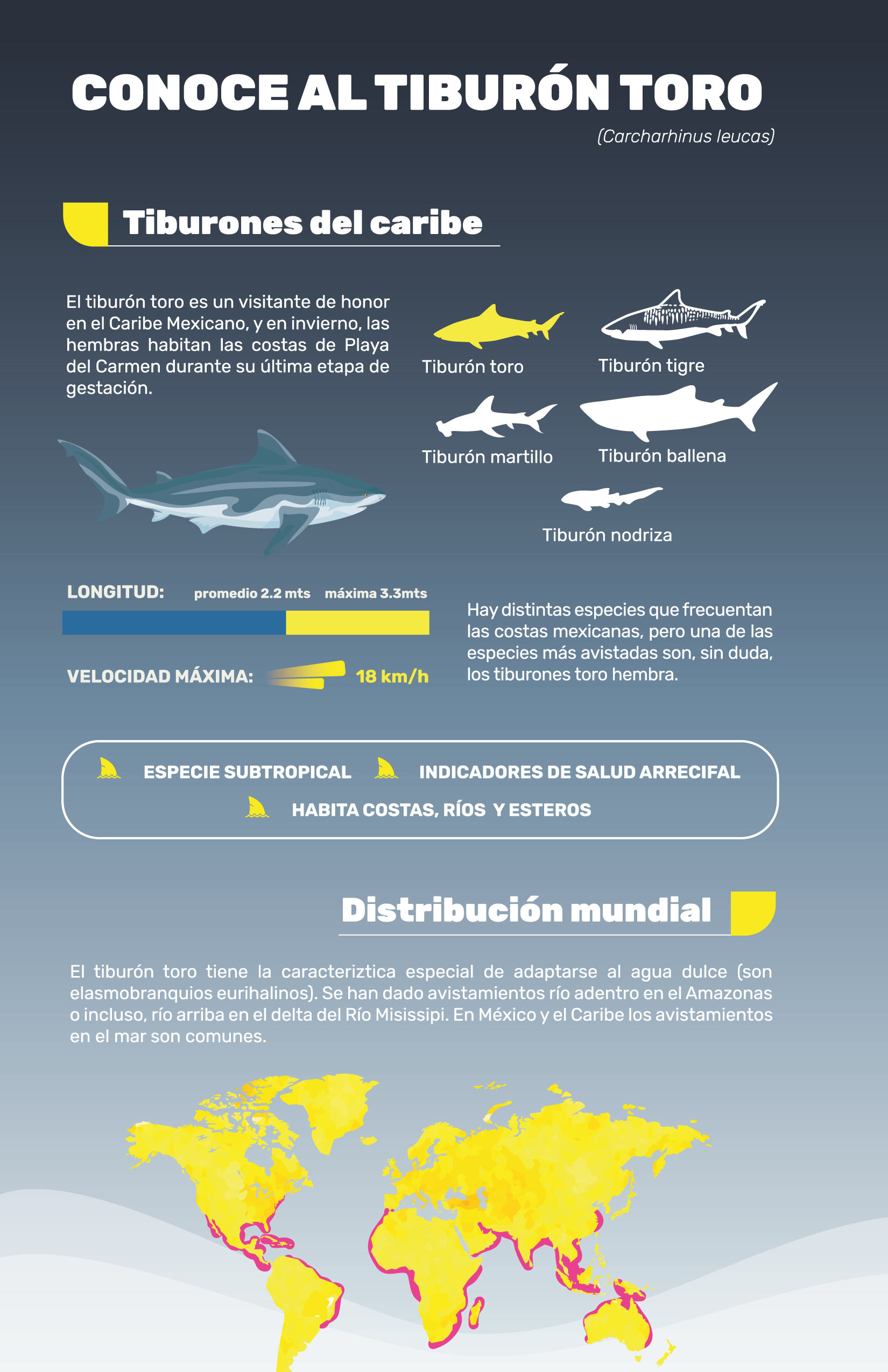
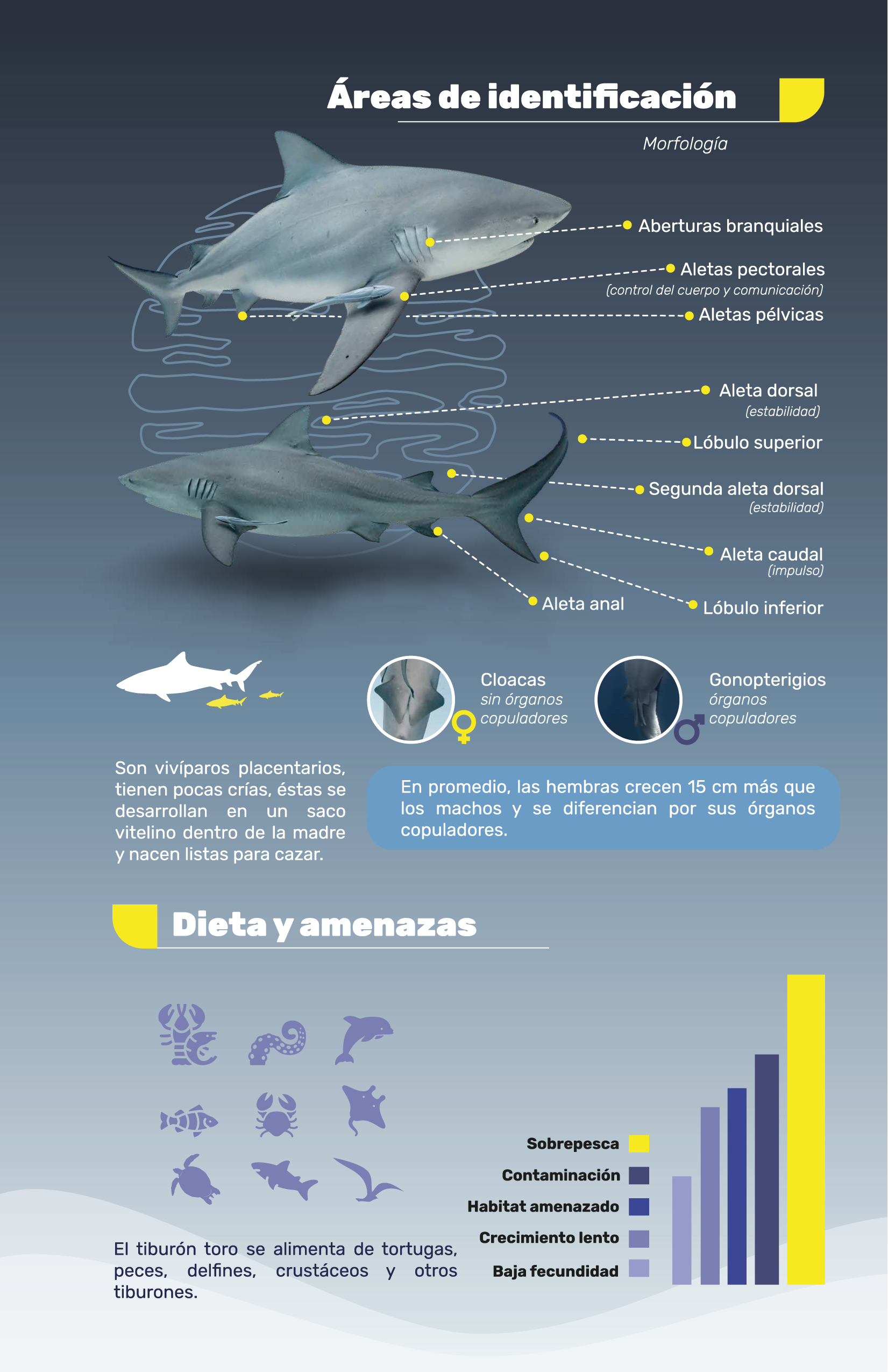
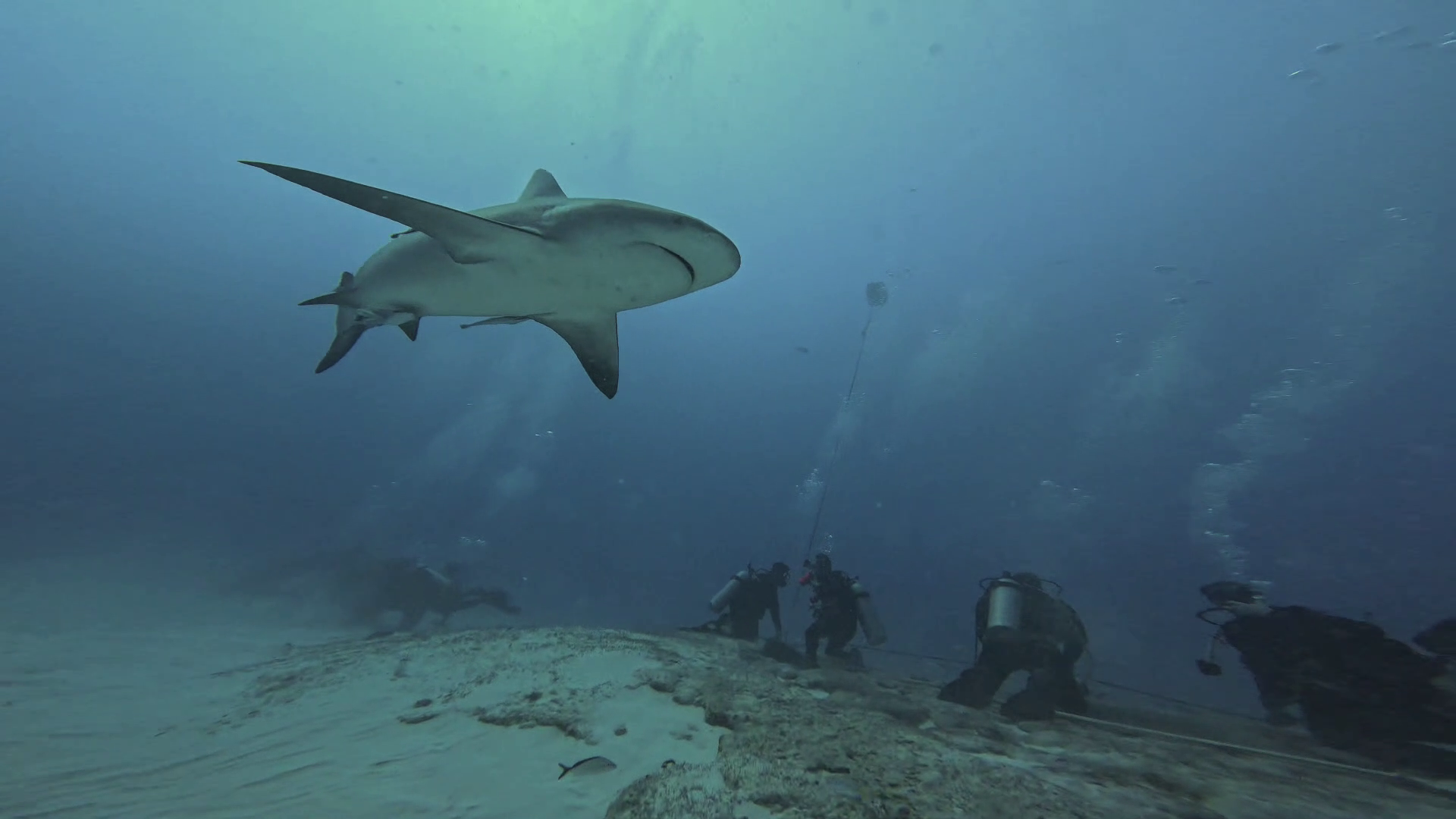
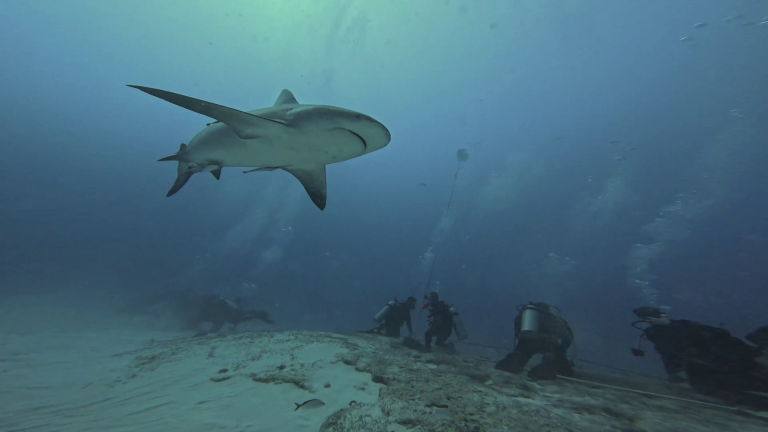
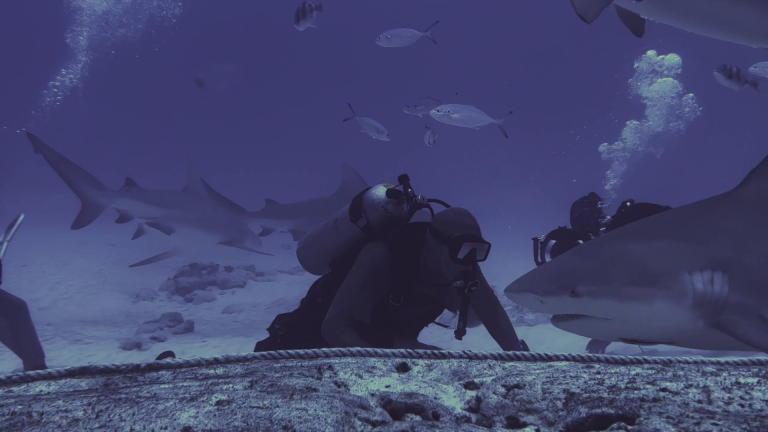
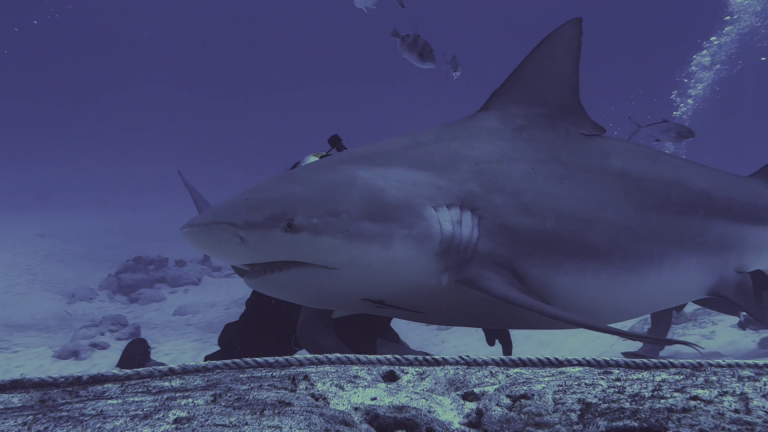
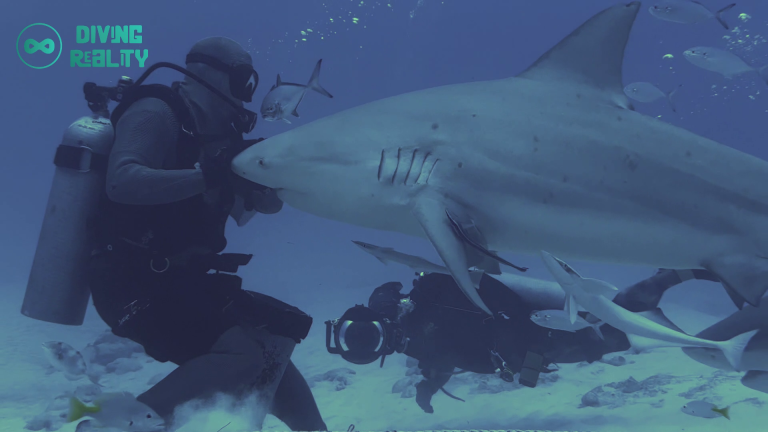
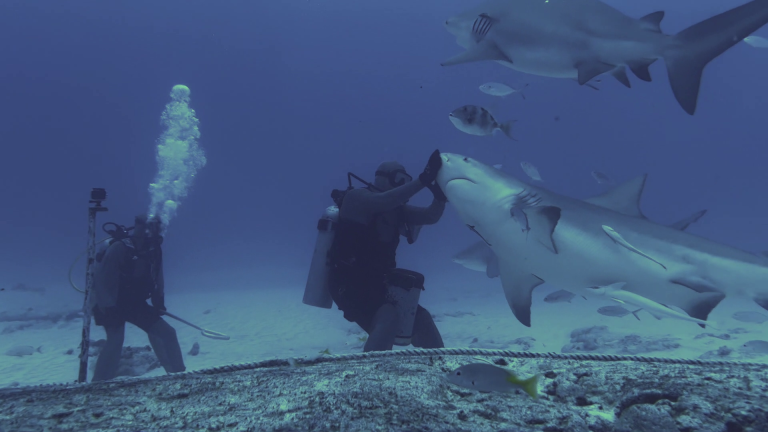
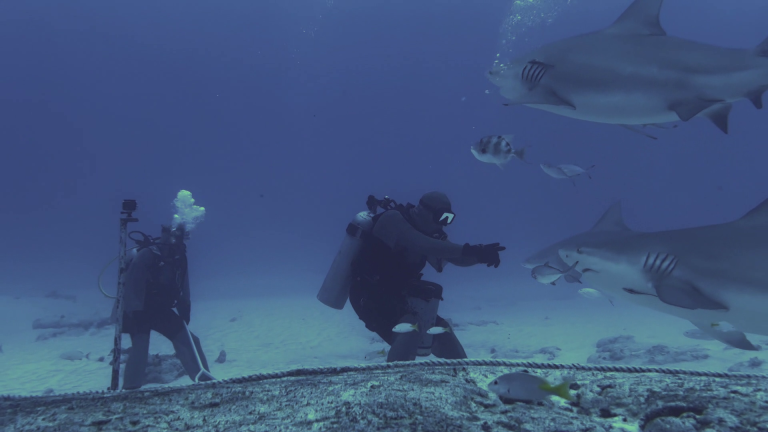
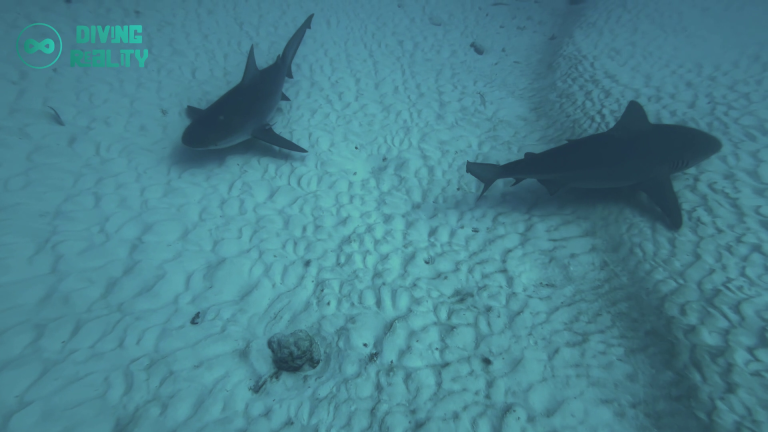
From mid-November to March, Playa del Carmen becomes an important hub attracting divers, scientists and shark experts from all over the world. Starting in November, the brave-hearted have the opportunity to dive with groups of female bull sharks –many of them pregnant and spanning up to 3 meters in length– that patrol Playa’s coasts.

THE EXPERIENCE

  • “Feel your heartbeat slow as the ocean’s top predators glide by  “


  • “An encounter that challenges your limits and stays with you forever.”

Shark dives in Playa del Carmen are thoroughly regulated by the CONANP (México’s Commission for Natural Protected Areas) and local dive associations to guarantee the animals’ welfare and conservation. We strictly abide by these guidelines and offer shark dives in 2 modalities:

1. ATTRACTION:

Divers remain at the bottom of Shark Point during their dive observing sharks’ natural behavior. Every group of 6 divers is accompanied by 1 shark guide.

2. OBSERVATION:

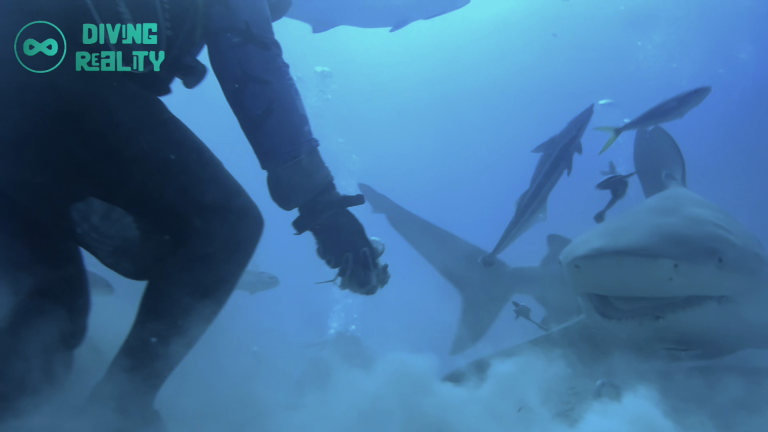
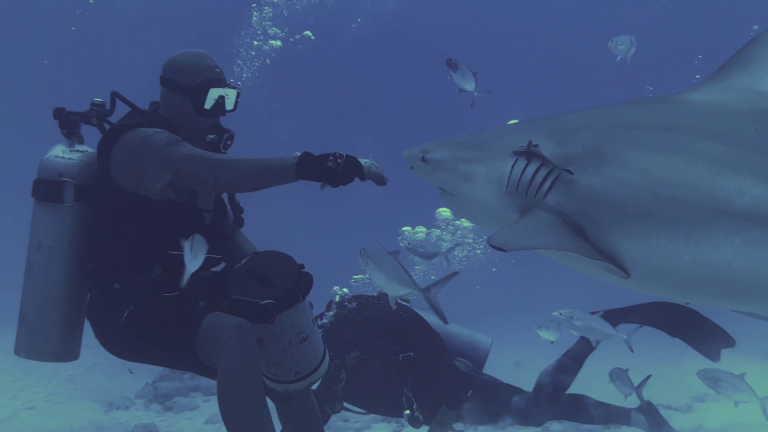
Divers remain at the bottom of Shark Point observing sharks’ behavior as an experienced feeder attracts them with bait. Every group of 8 divers is accompanied by 1 feeder, 1 safety diver, and 2 shark guides.

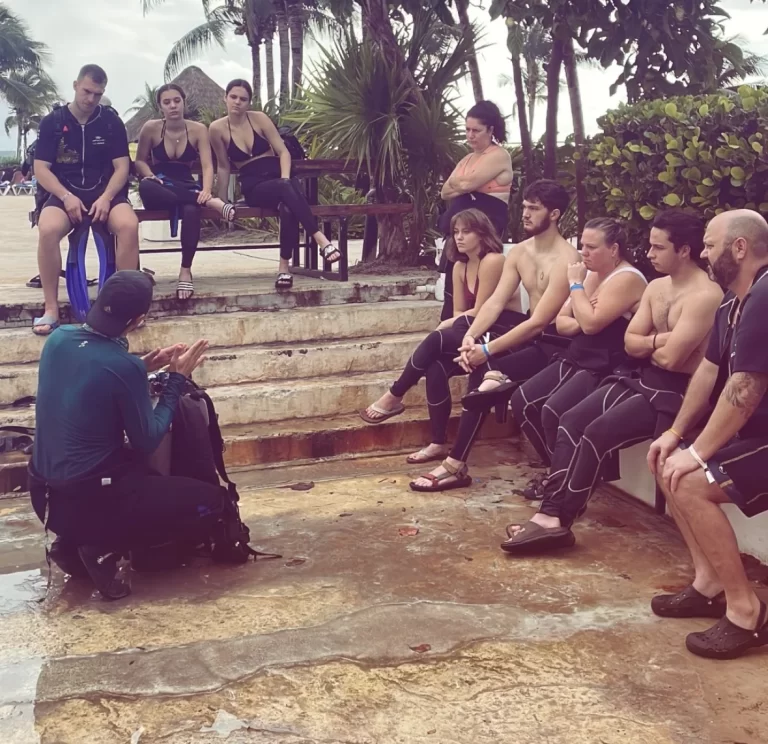
Important: Our shark dives are preceded by a workshop where local experts share their knowledge about the species’ biology, migratory cycle, behavior, and interaction patterns with humans.

  • Schedule

    The experience starts by meeting your guide at the dive center, reviewing your gear, and preparing for an unforgettable encounter with bull sharks.

  • Briefing & Preparation

    Receive a detailed safety briefing, get familiar with the equipment, and learn about the dive plan with your certified guide, including specific protocols for diving with bull sharks.

  • Diving (1 dive)

    Enjoy one guided dive alongside bull sharks, observing their powerful presence and graceful movements in a controlled and respectful environment.

  • Equipment storage & Snacks

    Exit the dive safely and enjoy a light snack while debriefing at the dive center, sharing your experience and reflecting on this unique shark encounter.

Bullshark diving

Playa del Carmen, home to Bull Shark “Mommas”

WHAT IS INCLUDED

Water

  Fruits and refreshments

Weights & tanks

WHAT IS NOT INCLUDED

Equipment rental

📷 Photos and videos

  Gratuities

Recommendations

Get a Good night’s sleep

Hydrate properly in advance

Eat a light, balanced meal

Do not drink excessively the night before

Insect repellent & sunscream are not allowed

bullshark diving

Playa del Carmen, home to Bull Shark “Mommas”

Frequently Asked Questions

Do I need a certification to dive with sharks?
Yes, a minimum Open Water certification is required.
Is shark diving dangerous?
Shark diving is very safe when conducted with certified guides, following established rules and respecting depth limits and the diver’s experience level.
How deep are shark dives?

The maximum depth is 25–26 meters. Recreational dives always stay within safe limits.

Is the water cold?

Water temperature is usually between 27 and 30°C (81–86°F) year-round. A wetsuit is recommended for comfort.

How long does a shark dive last?

For the Attraction mode, the maximum time is 30–35 minutes, and for the Observation mode, 35–40 minutes.

What kind of behavior is expected from divers underwater?

Remain calm, follow the guide’s instructions, avoid sudden movements, and always respect the sharks and the surrounding environment.

Can I bring a camera or GoPro?

Yes, as long as it does not interfere with safety or harm the environment.

Why can’t I use sunscreen?

Most sunscreens and insect repellents contain chemicals that contaminate the water and damage fragile ecosystems.

Can I wear makeup or lotions before diving?

No. Makeup, lotions, and oils can contaminate the water.

What species of sharks can be seen in Playa del Carmen?

The main species observed is the bull shark, especially during the winter season.

What time of year is bull shark diving available?

The season usually runs from November to March, when sharks come closer to the coast.

Do I need previous deep diving experience?

It is not mandatory, but good buoyancy control and previous recreational diving experience are recommended.

Additional Information:

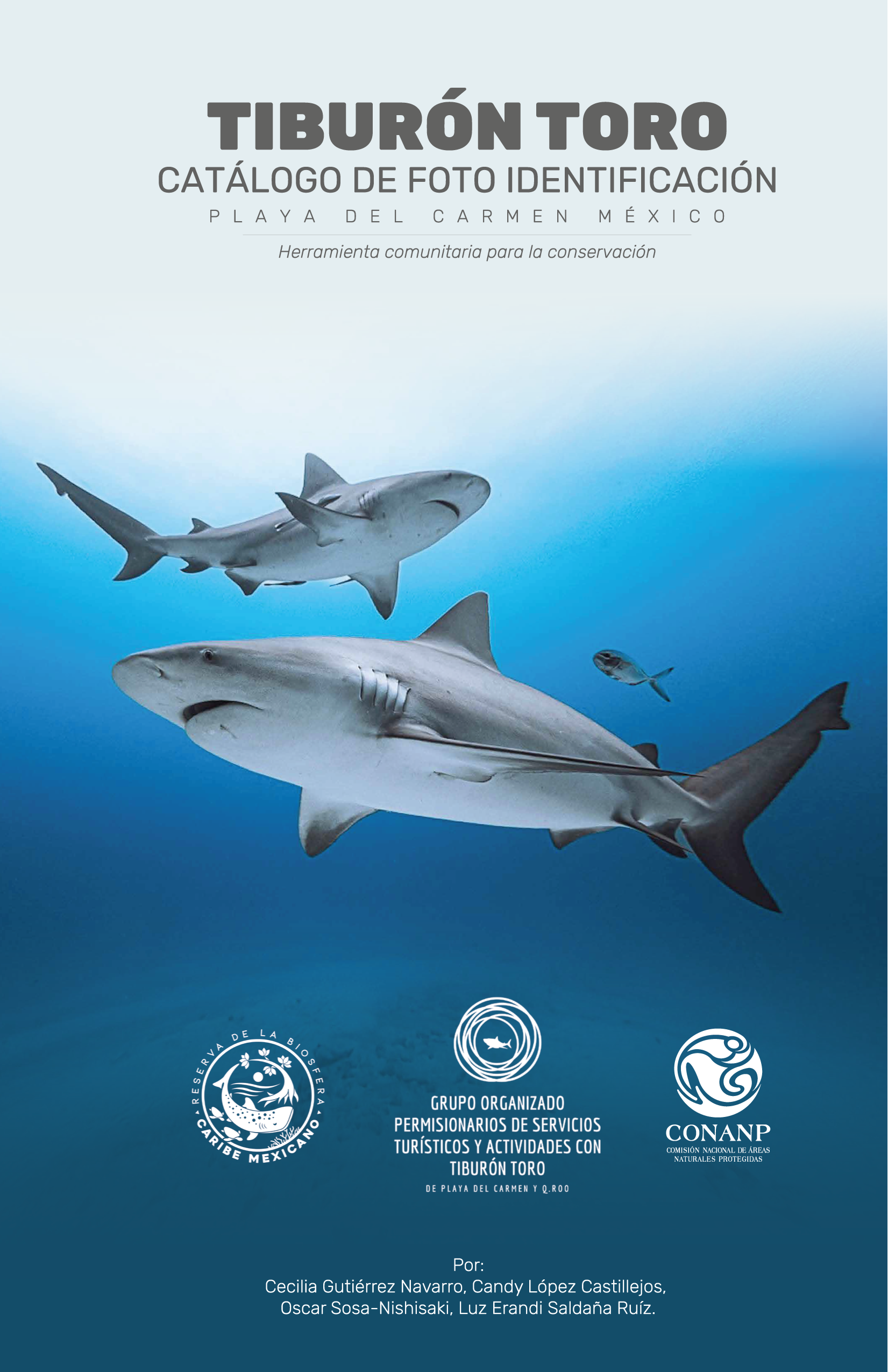
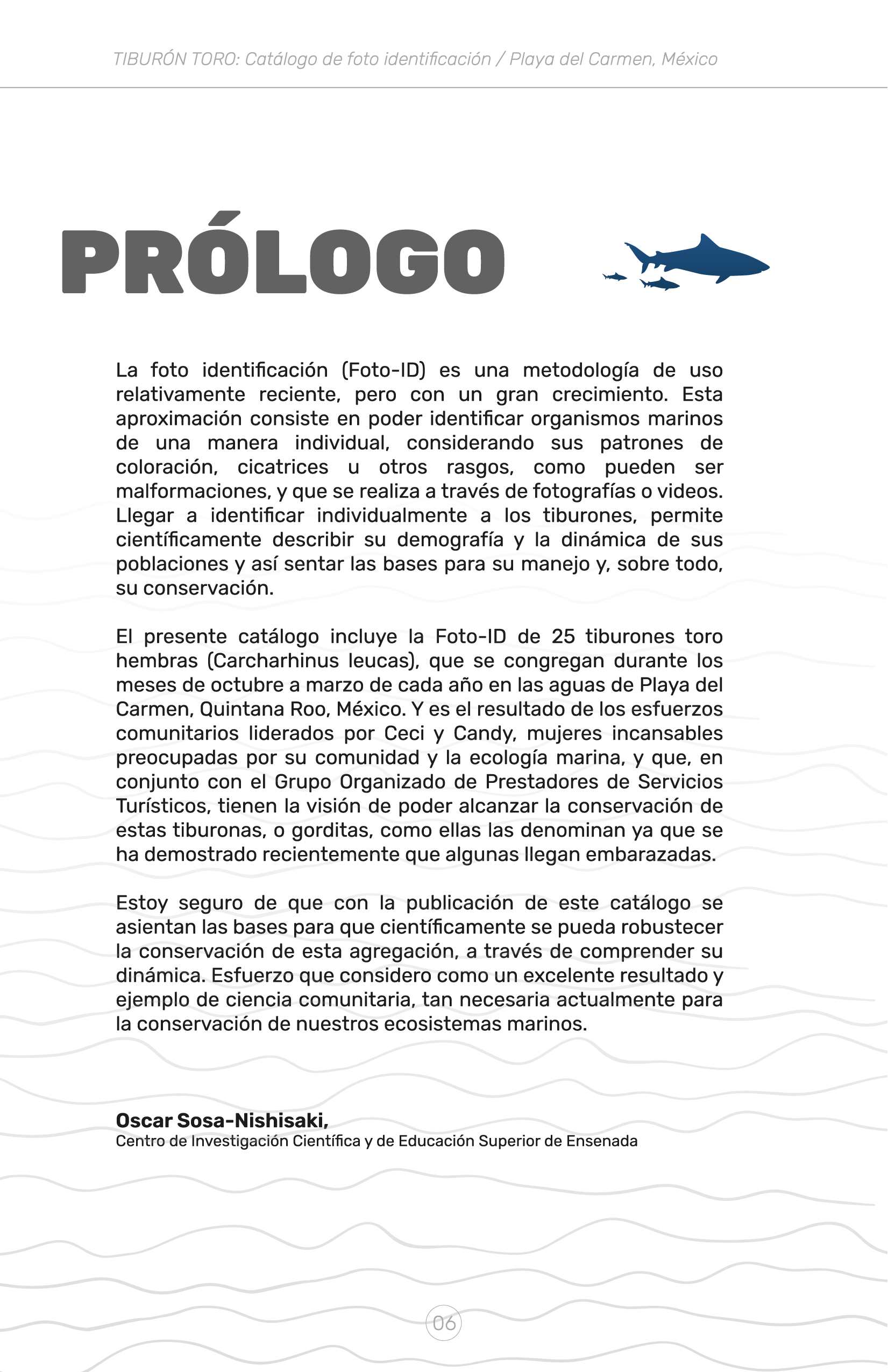
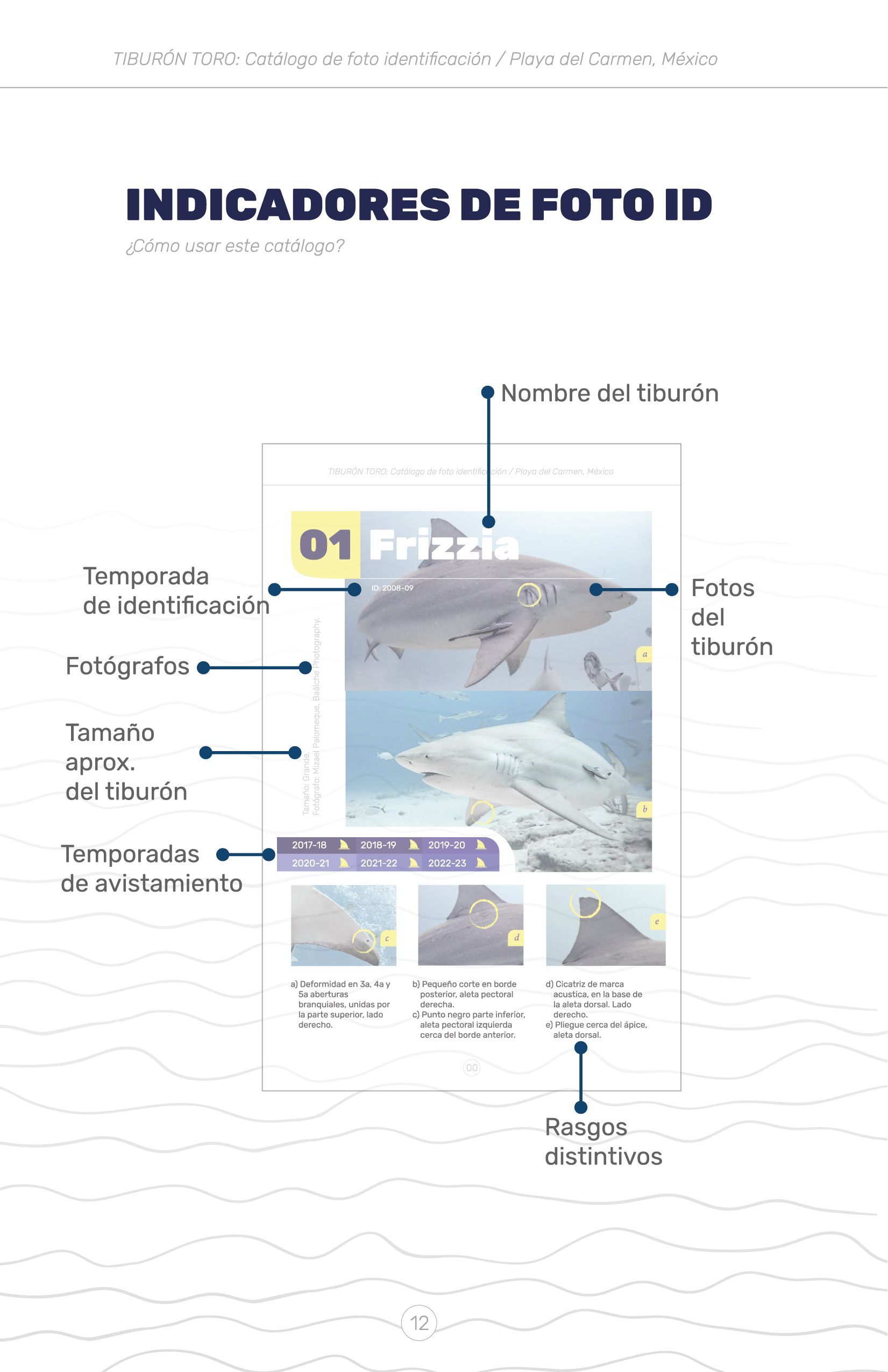
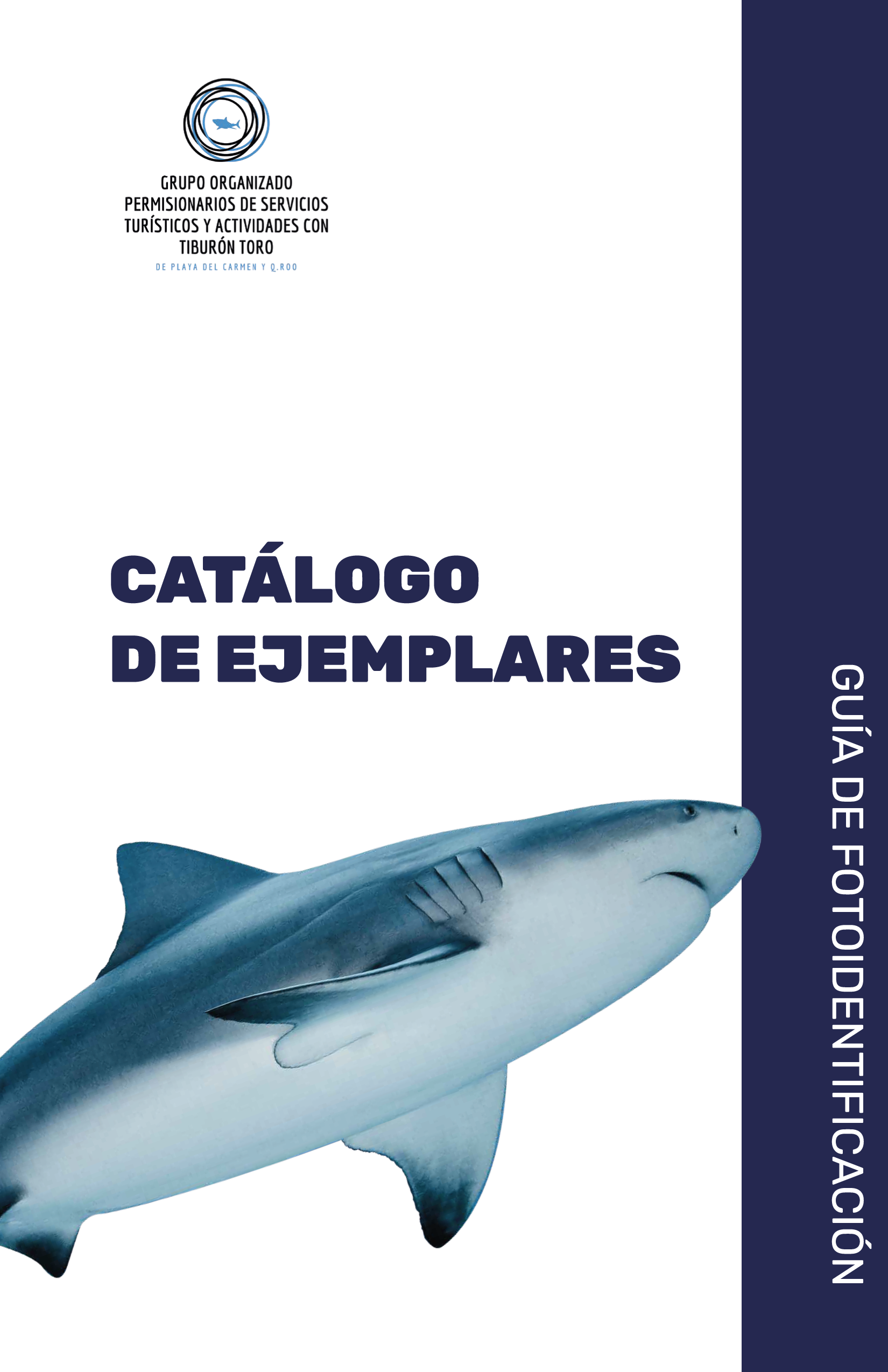
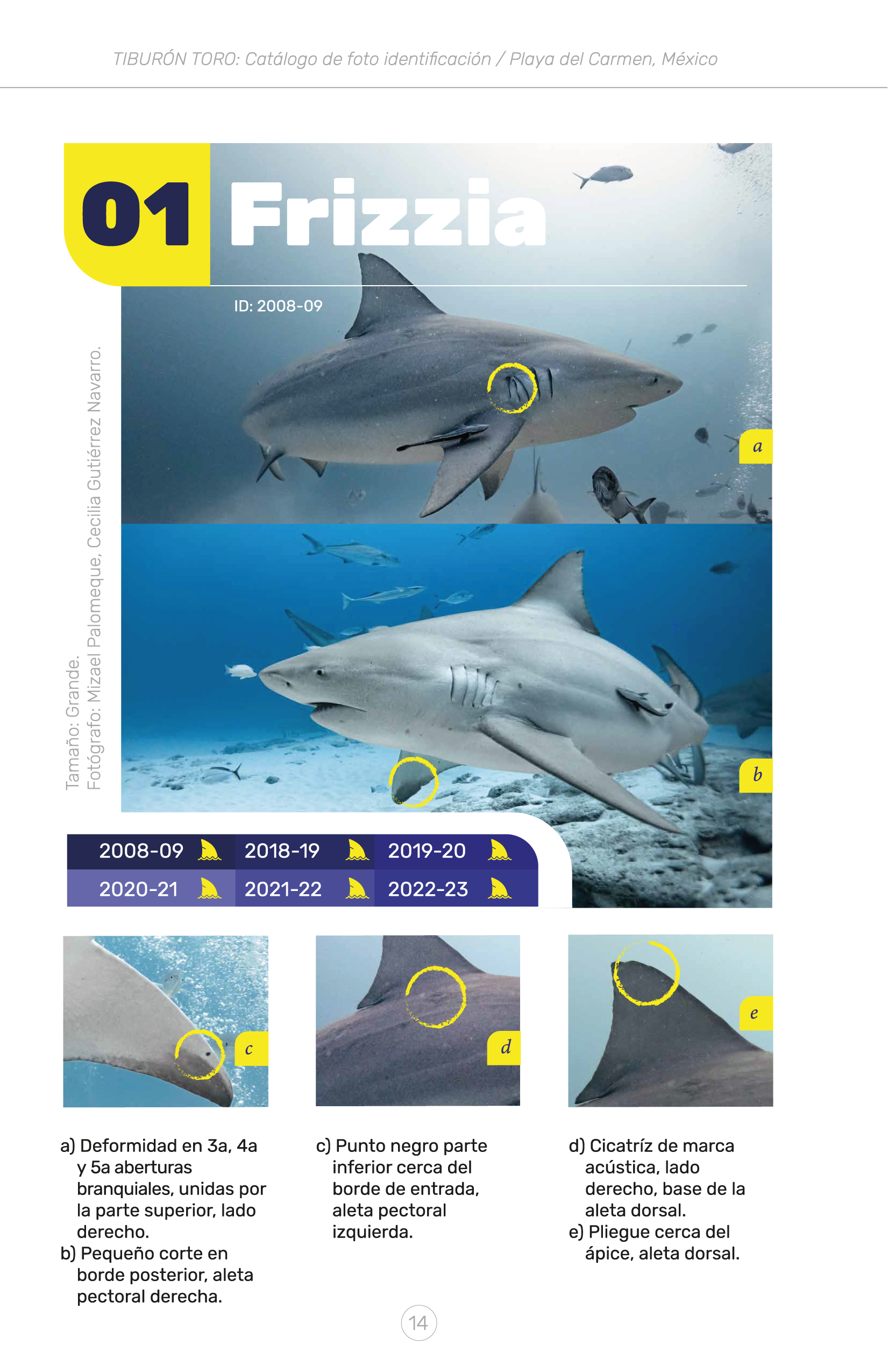
BUY YOUR BULLSHARK CATALOG HERE

Enjoy the opportunity to dive with groups of bull sharks that patrol Playa del Carmen's coasts.

Diving in Playa Del Carmen

Diving In Playa del Carmen

PLAYA DEL CARMEN

THE EXPERIENCE

  • a”One of the coolest dives — dramatic formations and excellent clarity”
  • “The depth and atmosphere here feel like a descent into time itself”
  • “Zapote is truly otherworldly — like diving on another planet”
  • Schedule

    Around 8:00 AM start your day by meeting your guide at the dive center, reviewing your gear, and traveling to the cenote by van.

  • Briefing & Preparation

    Receive a detailed safety briefing, get familiar with the equipment and learn about the dive plan and hand signals with your certified guide.

  • Diving (2 dives)

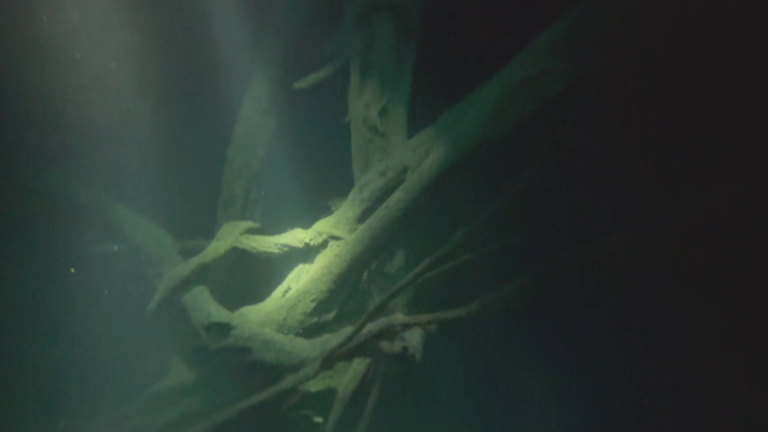
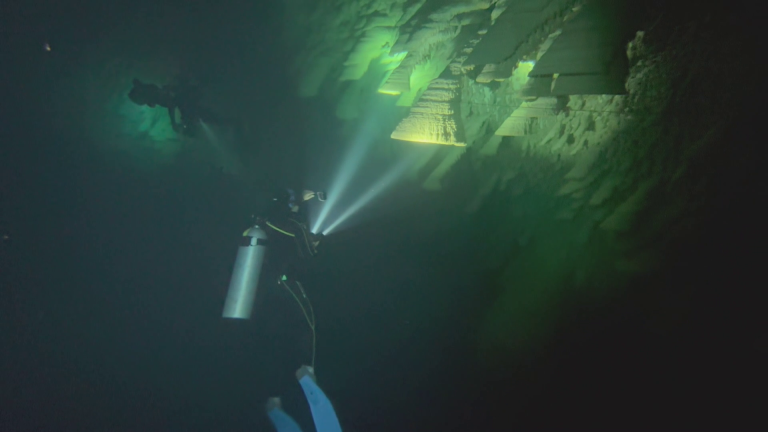
    Enjoy two guided dives through stalactites, tree roots, and haloclines, observing cave-adapted wildlife and the extraordinary visibility unique to cenotes. During surface intervale you will receive some snacks & refreshments.

  • Equipment storage & Snacks

    Exit the cenote safely, store your gear properly, and enjoy a light snack while debriefing before heading back.

  • Return

    Around 3:00 PM, we get back to the dive center, sharing your experience and reflecting on your adventure.

Diving In Playa del Carmen

WHAT IS INCLUDED

Water

  Round trnasportation

  Snacks

  Fruits and refreshments

Lamps, weights & tanks

WHAT IS NOT INCLUDED

Cenote entrance fee

Equipment rental

📷 Photos and videos

  Gratuities
Recommendations

Get a Good night’s sleep

Hydrate properly in advance

Eat a light, balanced meal

Do not drink excessively the night before

Insect repellent & sunscream are not allowed

Diving in Playa del Carmen

Frequently Asked Questions

Do I need a certification to dive in cenotes?
Yes, open water certification is required as minimum. 
Is cenote diving dangerous?

Cenote diving is very safe when done with certified guides, following the rules within established limits for depth, light, and experience level.

How deep are cenote dives?

Depth varies by cenote. Recreational dives stay within safe depth limits, while deeper dives require advanced or technical certification.

Why do cenotes charge an entrance fee?

Cenotes are privately owned, and the entrance fee is collected by the owners. The fee helps cover maintenance, safety, conservation, and guide services, ensuring that the cenote remains protected, accessible, and well-managed for visitors now and in the future.

Can I bring a camera or GoPro?

Yes, as long as it doesn’t interfere with safety or damage the environment. Some cenotes may require special permission. And may have extra costs

Are cenotes saltwater or freshwater?

Cenotes are primarily freshwater, though some have haloclines where freshwater and saltwater meet.

Is cenote diving better than ocean diving?

It’s different. Cenotes offer incredible visibility, unique geology, and light effects, while ocean dives offer marine life and currents.

Can I wear makeup or lotions before diving?

No. Makeup, lotions, and oils can contaminate the water. Most cenotes require guests to rinse before entering.

Do cenotes have fish or wildlife?

Yes. You may see small freshwater fish, turtles in open cenotes, and unique cave-adapted species such as blind fish and shrimp in deeper areas.

Is the water cold?

Water temperature is usually around 24–25°C (75–77°F) year-round. Wetsuits are suggested for comfort.

What will I see underwater?

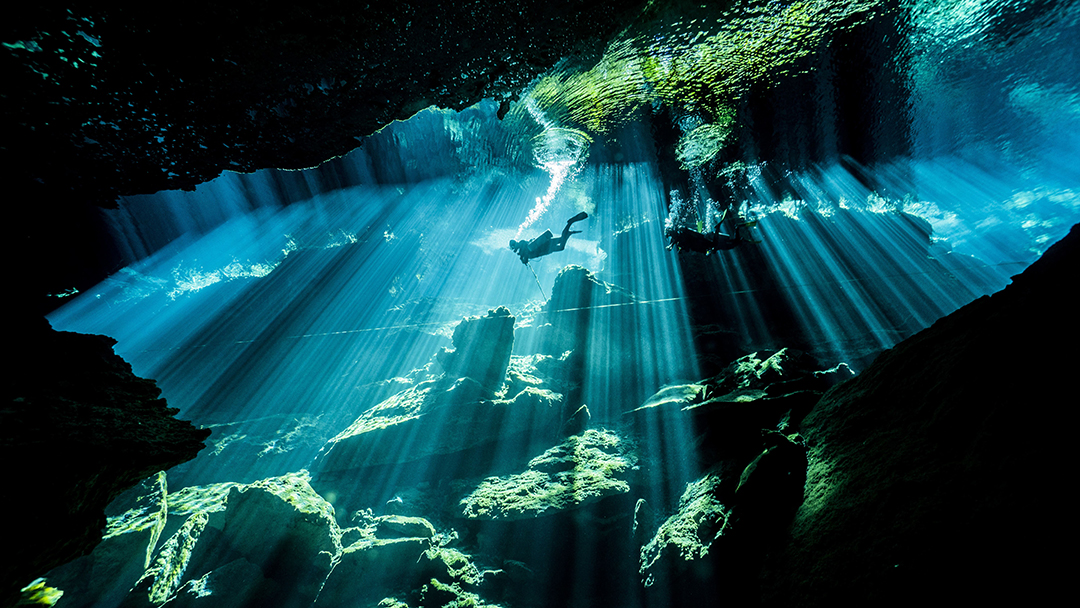
Crystal-clear freshwater, limestone formations, stalactites and stalagmites, natural light beams, tree roots, and sometimes haloclines.

Do I need previous cavern experience?

No, for recreational cavern dives that stay in the light zone (60 meters from entrance). 

How long does a cenote dive last?

Most dives last between 40 and 60 minutes, depending on air consumption and dive profile.

Is cenote diving suitable for claustrophobic people?

Most recreational cenote dives take place in wide, open caverns with visible exits and natural light, which many people find comfortable.

Do cenotes have currents or waves?

No. Cenotes are freshwater systems with no waves and almost no current, which makes diving calm and controlled.

Can children dive in cenotes?

Yes, depending on age, certification, and the specific cenote. Usually the minimum age is 15 years old.

Why are cenotes considered sacred?

For the ancient Maya, cenotes were sources of life and spiritual gateways to the underworld, giving them deep cultural significance.

Why can’t I use sunscreen or insect repellent in cenotes?

Most sunscreens and repellents contain chemicals that contaminate cenote water and damage fragile ecosystems. Cenotes are closed freshwater systems, so pollutants stay trapped and can harm aquatic life and formations.

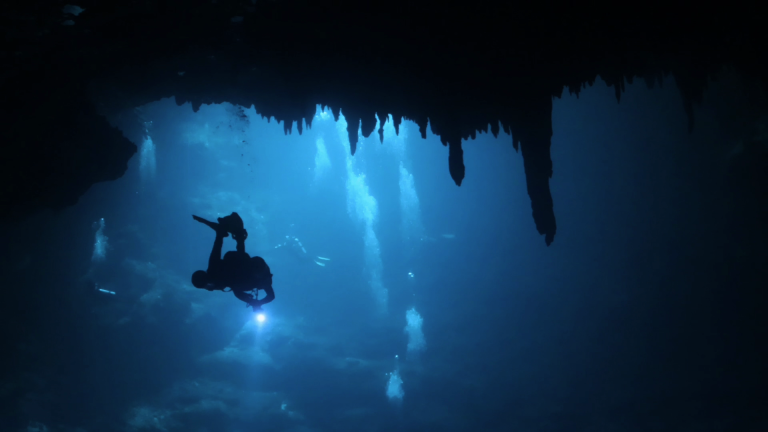
Explore the crystal-clear waters and ancient Mayan secrets of Mexico's underground rivers

Diving in Cozumel

Diving In Cozumel

DISCOVERING JACQUES COUSTEAU’S LEGENDARY CORAL CITIES

The Caribbean island of Cozumel is located 8 nautical miles and a 45-min ferry ride from Playa del Carmen. Home to Mayan goddess of fertility Ixchel and a center of annual pilgrimage for centuries, Cozumel remains an important destination for travelers seeking clear turquoise waters and laid-back island vibes. When famed underwater explorer Jacques Cousteau visited Cozumel in 1961, he discovered the massive coral formations of Palancar and labeled the island “paradise”. 

Explore the miles-long reefs burgeoning with life as well as the plunging underwater cliffs of Palancar or Santa Rosa. A protected marine reserve since 1996 and, due to its strong currents, a crucial hub connecting Caribbean ecosystems, Cozumel’s reefs are home to a rich array of marine animals, from majestic eagle rays and timid nurse sharks to the endemic toadfish, a species found only in the island.

THE EXPERIENCE

  • a”One of the coolest dives — dramatic formations and excellent clarity”
  • “The depth and atmosphere here feel like a descent into time itself”
  • “Zapote is truly otherworldly — like diving on another planet”
  • Schedule

    Around 8:00 AM start your day by meeting your guide at the dive center, reviewing your gear, and traveling to the cenote by van.

  • Briefing & Preparation

    Receive a detailed safety briefing, get familiar with the equipment and learn about the dive plan and hand signals with your certified guide.

  • Diving (2 dives)

    Enjoy two guided dives through stalactites, tree roots, and haloclines, observing cave-adapted wildlife and the extraordinary visibility unique to cenotes. During surface intervale you will receive some snacks & refreshments.

  • Equipment storage & Snacks

    Exit the cenote safely, store your gear properly, and enjoy a light snack while debriefing before heading back.

  • Return

    Around 3:00 PM, we get back to the dive center, sharing your experience and reflecting on your adventure.

Diving In Cozumel

DISCOVERING JACQUES COUSTEAU’S LEGENDARY CORAL CITIES

WHAT IS INCLUDED

Water

  Round trnasportation

  Snacks

  Fruits and refreshments

Lamps, weights & tanks

WHAT IS NOT INCLUDED

Cenote entrance fee

Equipment rental

📷 Photos and videos

  Gratuities
Recommendations

Get a Good night’s sleep

Hydrate properly in advance

Eat a light, balanced meal

Do not drink excessively the night before

Insect repellent & sunscream are not allowed

Diving In Cozumel

DISCOVERING JACQUES COUSTEAU’S LEGENDARY CORAL CITIES

Frequently Asked Questions

Do I need a certification to dive in cenotes?
Yes, open water certification is required as minimum. 
Is cenote diving dangerous?

Cenote diving is very safe when done with certified guides, following the rules within established limits for depth, light, and experience level.

How deep are cenote dives?

Depth varies by cenote. Recreational dives stay within safe depth limits, while deeper dives require advanced or technical certification.

Why do cenotes charge an entrance fee?

Cenotes are privately owned, and the entrance fee is collected by the owners. The fee helps cover maintenance, safety, conservation, and guide services, ensuring that the cenote remains protected, accessible, and well-managed for visitors now and in the future.

Can I bring a camera or GoPro?

Yes, as long as it doesn’t interfere with safety or damage the environment. Some cenotes may require special permission. And may have extra costs

Are cenotes saltwater or freshwater?

Cenotes are primarily freshwater, though some have haloclines where freshwater and saltwater meet.

Is cenote diving better than ocean diving?

It’s different. Cenotes offer incredible visibility, unique geology, and light effects, while ocean dives offer marine life and currents.

Can I wear makeup or lotions before diving?

No. Makeup, lotions, and oils can contaminate the water. Most cenotes require guests to rinse before entering.

Do cenotes have fish or wildlife?

Yes. You may see small freshwater fish, turtles in open cenotes, and unique cave-adapted species such as blind fish and shrimp in deeper areas.

Is the water cold?

Water temperature is usually around 24–25°C (75–77°F) year-round. Wetsuits are suggested for comfort.

What will I see underwater?

Crystal-clear freshwater, limestone formations, stalactites and stalagmites, natural light beams, tree roots, and sometimes haloclines.

Do I need previous cavern experience?

No, for recreational cavern dives that stay in the light zone (60 meters from entrance). 

How long does a cenote dive last?

Most dives last between 40 and 60 minutes, depending on air consumption and dive profile.

Is cenote diving suitable for claustrophobic people?

Most recreational cenote dives take place in wide, open caverns with visible exits and natural light, which many people find comfortable.

Do cenotes have currents or waves?

No. Cenotes are freshwater systems with no waves and almost no current, which makes diving calm and controlled.

Can children dive in cenotes?

Yes, depending on age, certification, and the specific cenote. Usually the minimum age is 15 years old.

Why are cenotes considered sacred?

For the ancient Maya, cenotes were sources of life and spiritual gateways to the underworld, giving them deep cultural significance.

Why can’t I use sunscreen or insect repellent in cenotes?

Most sunscreens and repellents contain chemicals that contaminate cenote water and damage fragile ecosystems. Cenotes are closed freshwater systems, so pollutants stay trapped and can harm aquatic life and formations.

Explore the crystal-clear waters and ancient Mayan secrets of Mexico's underground rivers

Cenote Taak Bi Luum

Cenote Taak Bi Luum

Where ancient stone tells stories in silence

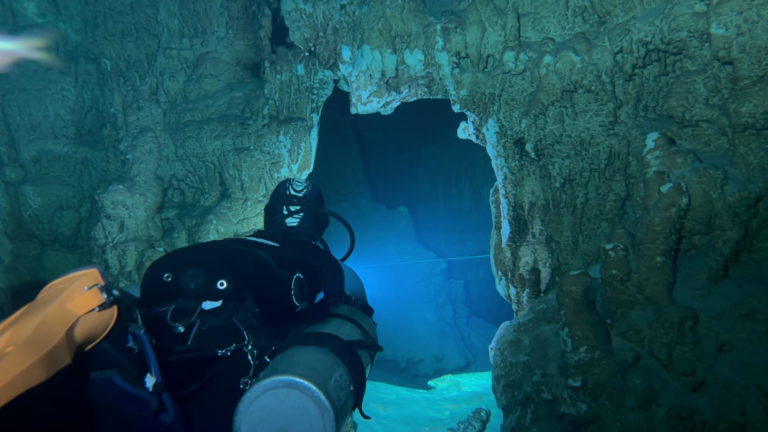
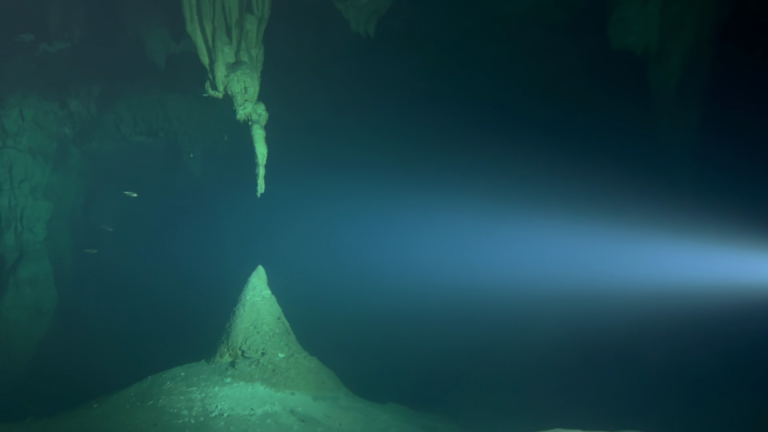
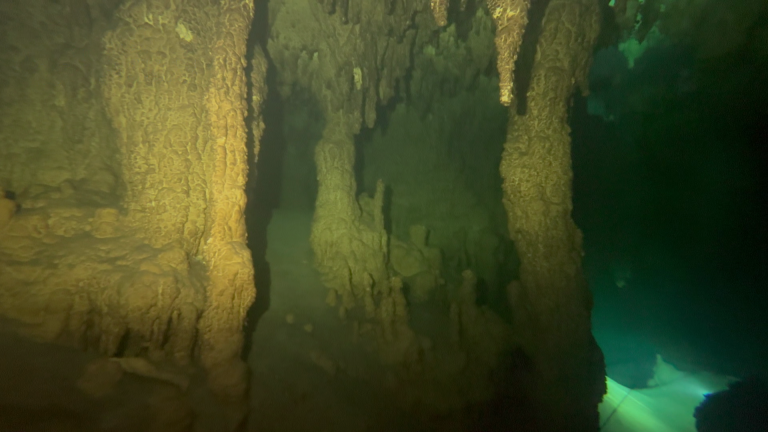
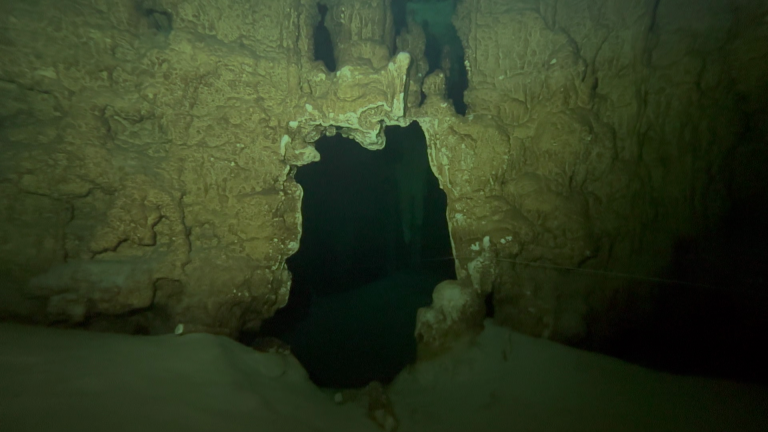
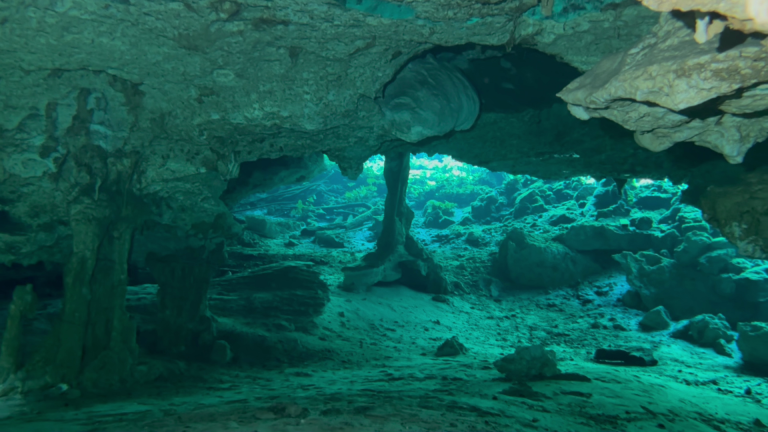
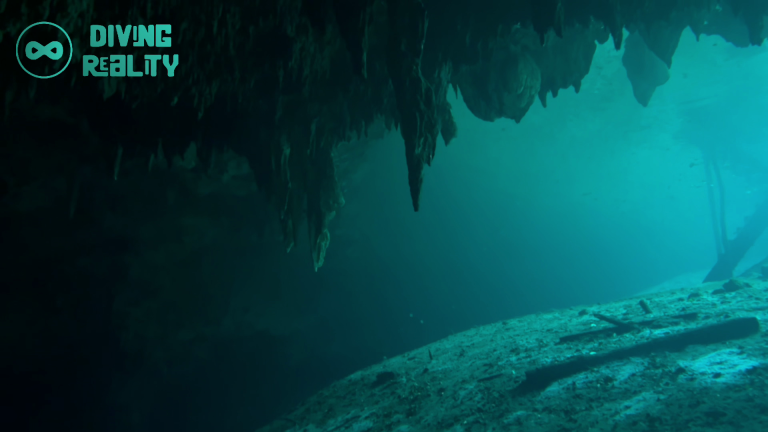
After descending into a semi‑enclosed cavern with crystal‑clear water, divers encounter unique rock formations and “bubble‑like” walls that create a surreal atmosphere unlike any other cenote.

Taak Bi Luum forms part of the Sac Actun cave system, the longest underwater cave network in the world, and is most appreciated by experienced divers with excellent buoyancy and cavern skills due to its tight passages and dramatic geology.

THE EXPERIENCE

  • “A subterranean sanctuary where calm and light create a truly unique diving experience.”


  • “A natural environment that invites you to dive slowly and appreciate every detail.”


  • “A cenote that conveys respect, connection, and awe with every meter explored.”
  • Schedule

    Around 8:00 AM start your day by meeting your guide at the dive center, reviewing your gear, and traveling to the cenote by van.

  • Briefing & Preparation

    Receive a detailed safety briefing, get familiar with the equipment and learn about the dive plan and hand signals with your certified guide.

  • Diving (2 dives)

    Enjoy two guided dives through stalactites, tree roots, and haloclines, observing cave-adapted wildlife and the extraordinary visibility unique to cenotes. During surface intervale you will receive some snacks & refreshments.

  • Equipment storage & Snacks

    Exit the cenote safely, store your gear properly, and enjoy a light snack while debriefing before heading back.

  • Return

    Around 3:00 PM, we get back to the dive center, sharing your experience and reflecting on your adventure.

Cenote Taak Bi Luum

Where ancient stone tells stories in silence

WHAT IS INCLUDED

Water

  Round transportation

  Snacks

  Fruits and refreshments

Lamps, weights & tanks

WHAT IS NOT INCLUDED

Cenote entrance fee

Equipment rental

📷 Photos and videos

  Gratuities
Recommendations

Get a Good night’s sleep

Hydrate properly in advance

Eat a light, balanced meal

Do not drink excessively the night before

Insect repellent & sunscream are not allowed

Cenote Taak Bi Luum

Where ancient stone tells stories in silence

Frequently Asked Questions

Do I need a certification to dive in cenotes?
Yes, open water certification is required as minimum. 
Is cenote diving dangerous?

Cenote diving is very safe when done with certified guides, following the rules within established limits for depth, light, and experience level.

How deep are cenote dives?

Depth varies by cenote. Recreational dives stay within safe depth limits, while deeper dives require advanced or technical certification.

Why do cenotes charge an entrance fee?

Cenotes are privately owned, and the entrance fee is collected by the owners. The fee helps cover maintenance, safety, conservation, and guide services, ensuring that the cenote remains protected, accessible, and well-managed for visitors now and in the future.

Can I bring a camera or GoPro?

Yes, as long as it doesn’t interfere with safety or damage the environment. Some cenotes may require special permission. And may have extra costs

Are cenotes saltwater or freshwater?

Cenotes are primarily freshwater, though some have haloclines where freshwater and saltwater meet.

Is cenote diving better than ocean diving?

It’s different. Cenotes offer incredible visibility, unique geology, and light effects, while ocean dives offer marine life and currents.

Can I wear makeup or lotions before diving?

No. Makeup, lotions, and oils can contaminate the water. Most cenotes require guests to rinse before entering.

Do cenotes have fish or wildlife?

Yes. You may see small freshwater fish, turtles in open cenotes, and unique cave-adapted species such as blind fish and shrimp in deeper areas.

Is the water cold?

Water temperature is usually around 24–25°C (75–77°F) year-round. Wetsuits are suggested for comfort.

What will I see underwater?

Crystal-clear freshwater, limestone formations, stalactites and stalagmites, natural light beams, tree roots, and sometimes haloclines.

Do I need previous cavern experience?

No, for recreational cavern dives that stay in the light zone (60 meters from entrance). 

How long does a cenote dive last?

Most dives last between 40 and 60 minutes, depending on air consumption and dive profile.

Is cenote diving suitable for claustrophobic people?

Most recreational cenote dives take place in wide, open caverns with visible exits and natural light, which many people find comfortable.

Do cenotes have currents or waves?

No. Cenotes are freshwater systems with no waves and almost no current, which makes diving calm and controlled.

Can children dive in cenotes?

Yes, depending on age, certification, and the specific cenote. Usually the minimum age is 15 years old.

Why are cenotes considered sacred?

For the ancient Maya, cenotes were sources of life and spiritual gateways to the underworld, giving them deep cultural significance.

Why can’t I use sunscreen or insect repellent in cenotes?

Most sunscreens and repellents contain chemicals that contaminate cenote water and damage fragile ecosystems. Cenotes are closed freshwater systems, so pollutants stay trapped and can harm aquatic life and formations.

Explore the crystal-clear waters and ancient Mayan secrets of Mexico's underground rivers

Cenote Zapote (Hell’s Bells)

Cenote Zapote (Hell’s Bells)

Dive into the legendary ‘Hells Bells’ and explore a world like no othere

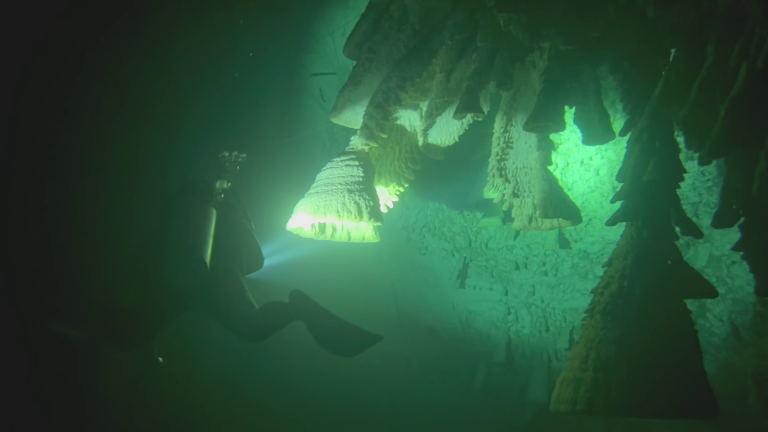
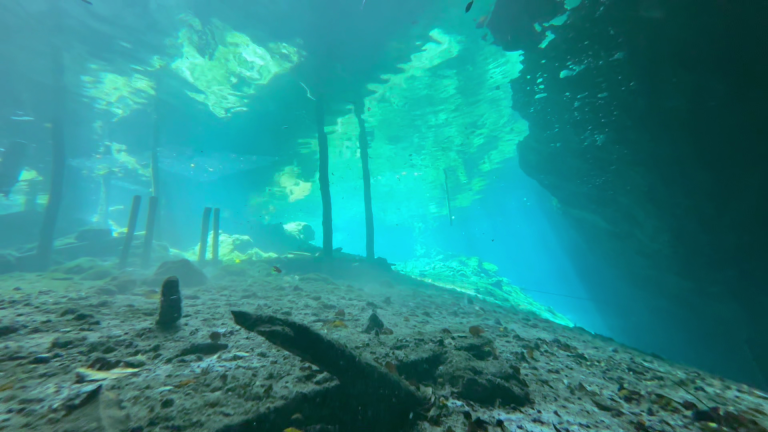
Cenote Zapote — also known as “Hells Bells” — is a deep and visually dramatic cenote located inland near Puerto Morelos along the famous Ruta de los Cenotes.

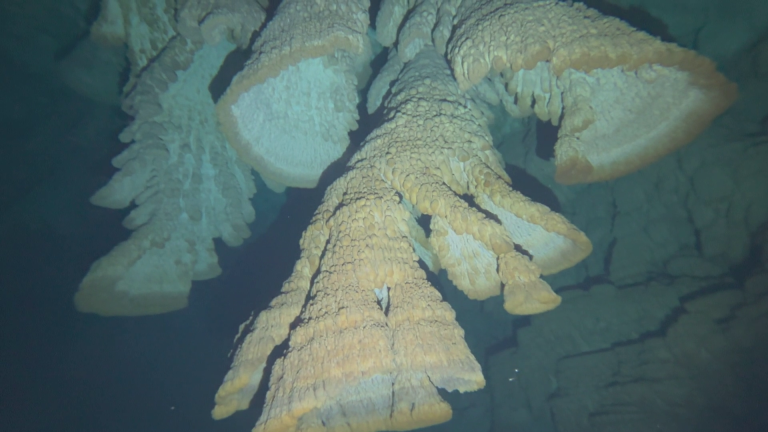
Renowned for its unique bell‑shaped limestone formations that have grown over centuries under specific chemical conditions, this dive is an unforgettable journey into geological mystery and quiet underwater wonder. Descend through the cool, clear water into a cavernous chamber that feels otherworldly, with a cloud of hydrogen sulfide and petrified tree remnants adding to the surreal atmosphere.

THE EXPERIENCE

  • “One of the coolest dives — dramatic formations and excellent clarity”


  • “The depth and atmosphere here feel like a descent into time itself”


  • “Zapote is truly otherworldly — like diving on another planet”
  • Schedule

    Around 8:00 AM start your day by meeting your guide at the dive center, reviewing your gear, and traveling to the cenote by van.

  • Briefing & Preparation

    Receive a detailed safety briefing, get familiar with the equipment and learn about the dive plan and hand signals with your certified guide.

  • Diving (2 dives)

    Enjoy two guided dives through stalactites, tree roots, and haloclines, observing cave-adapted wildlife and the extraordinary visibility unique to cenotes. During surface intervale you will receive some snacks & refreshments.

  • Equipment storage & Snacks

    Exit the cenote safely, store your gear properly, and enjoy a light snack while debriefing before heading back.

  • Return

    Around 3:00 PM, we get back to the dive center, sharing your experience and reflecting on your adventure.

Cenote Zapote (Hell’s Bells)

Dive into the legendary ‘Hells Bells’ and explore a world like no other

WHAT IS INCLUDED

Water

  Round transportation

  Snacks

  Fruits and refreshments

Lamps, weights & tanks

WHAT IS NOT INCLUDED

Cenote entrance fee

Equipment rental

📷 Photos and videos

  Gratuities
Recommendations

Get a Good night’s sleep

Hydrate properly in advance

Eat a light, balanced meal

Do not drink excessively the night before

Insect repellent & sunscream are not allowed

Cenote Zapote (Hell’s Bells)

Dive into the legendary ‘Hells Bells’ and explore a world like no other

Frequently Asked Questions

Do I need a certification to dive in cenotes?
Yes, open water certification is required as minimum. 
Is cenote diving dangerous?

Cenote diving is very safe when done with certified guides, following the rules within established limits for depth, light, and experience level.

How deep are cenote dives?

Depth varies by cenote. Recreational dives stay within safe depth limits, while deeper dives require advanced or technical certification.

Why do cenotes charge an entrance fee?

Cenotes are privately owned, and the entrance fee is collected by the owners. The fee helps cover maintenance, safety, conservation, and guide services, ensuring that the cenote remains protected, accessible, and well-managed for visitors now and in the future.

Can I bring a camera or GoPro?

Yes, as long as it doesn’t interfere with safety or damage the environment. Some cenotes may require special permission. And may have extra costs

Are cenotes saltwater or freshwater?

Cenotes are primarily freshwater, though some have haloclines where freshwater and saltwater meet.

Is cenote diving better than ocean diving?

It’s different. Cenotes offer incredible visibility, unique geology, and light effects, while ocean dives offer marine life and currents.

Can I wear makeup or lotions before diving?

No. Makeup, lotions, and oils can contaminate the water. Most cenotes require guests to rinse before entering.

Do cenotes have fish or wildlife?

Yes. You may see small freshwater fish, turtles in open cenotes, and unique cave-adapted species such as blind fish and shrimp in deeper areas.

Is the water cold?

Water temperature is usually around 24–25°C (75–77°F) year-round. Wetsuits are suggested for comfort.

What will I see underwater?

Crystal-clear freshwater, limestone formations, stalactites and stalagmites, natural light beams, tree roots, and sometimes haloclines.

Do I need previous cavern experience?

No, for recreational cavern dives that stay in the light zone (60 meters from entrance). 

How long does a cenote dive last?

Most dives last between 40 and 60 minutes, depending on air consumption and dive profile.

Is cenote diving suitable for claustrophobic people?

Most recreational cenote dives take place in wide, open caverns with visible exits and natural light, which many people find comfortable.

Do cenotes have currents or waves?

No. Cenotes are freshwater systems with no waves and almost no current, which makes diving calm and controlled.

Can children dive in cenotes?

Yes, depending on age, certification, and the specific cenote. Usually the minimum age is 15 years old.

Why are cenotes considered sacred?

For the ancient Maya, cenotes were sources of life and spiritual gateways to the underworld, giving them deep cultural significance.

Why can’t I use sunscreen or insect repellent in cenotes?

Most sunscreens and repellents contain chemicals that contaminate cenote water and damage fragile ecosystems. Cenotes are closed freshwater systems, so pollutants stay trapped and can harm aquatic life and formations.

Explore the crystal-clear waters and ancient Mayan secrets of Mexico's underground rivers

Cenote Dreamgate

Cenote Dreamgate

Amazing clarity and light effects — truly like flying through limestone architecture

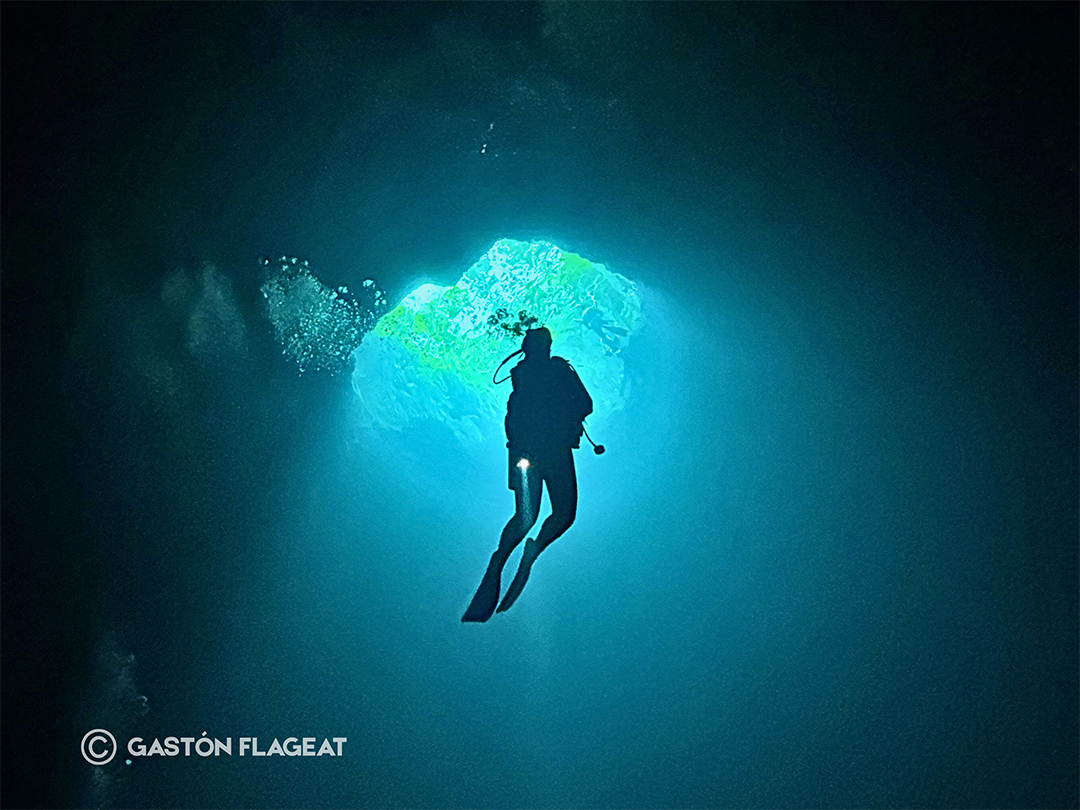
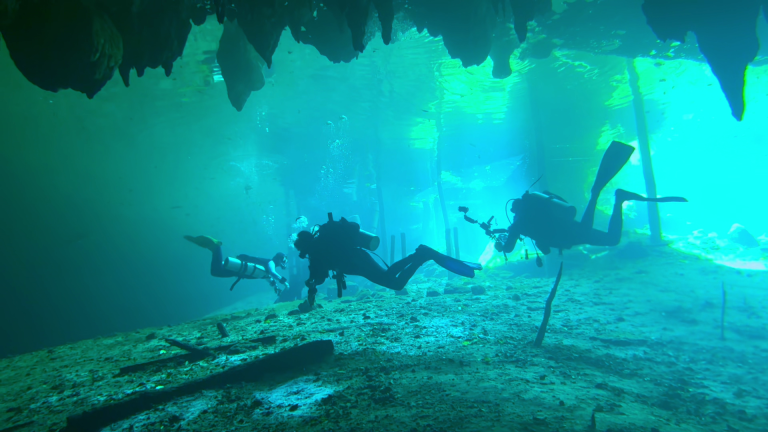
Cenote Dreamgate is known for its crystal‑clear water, dense speleothems (stalactites, stalagmites and columns), and dramatic natural lighting that filters into the cavern.

With excellent visibility (often 50–80 m) and shallow depths (around 6–9 m ), Dreamgate offers a stunning underwater experience for divers with solid buoyancy control and cavern diving skills.
It’s one of the most visually decorative and rewarding dives in the Riviera Maya, perfect for captur­ing incredible photos and exploring a labyrinth of limestone formations.

THE EXPERIENCE

  • “Enjoy drifting through both upstream and downstream circuits”


  • “A must‑do for photographers — light and shadows create incredible images”


  • “Amazing clarity and light effects — truly like flying through limestone architecture”
  • Schedule

    Around 8:00 AM start your day by meeting your guide at the dive center, reviewing your gear, and traveling to the cenote by van.

  • Briefing & Preparation

    Receive a detailed safety briefing, get familiar with the equipment and learn about the dive plan and hand signals with your certified guide.

  • Diving (2 dives)

    Enjoy two guided dives through stalactites, tree roots, and haloclines, observing cave-adapted wildlife and the extraordinary visibility unique to cenotes. During surface intervale you will receive some snacks & refreshments.

  • Equipment storage & Snacks

    Exit the cenote safely, store your gear properly, and enjoy a light snack while debriefing before heading back.

  • Return

    Around 3:00 PM, we get back to the dive center, sharing your experience and reflecting on your adventure.

Cenote Dreamgate

Amazing clarity and light effects — truly like flying through limestone architecture

WHAT IS INCLUDED

Water

  Round transportation

  Snacks

  Fruits and refreshments

Lamps, weights & tanks

WHAT IS NOT INCLUDED

Cenote entrance fee

Equipment rental

📷 Photos and videos

  Gratuities
Recommendations

Get a Good night’s sleep

Hydrate properly in advance

Eat a light, balanced meal

Do not drink excessively the night before

Insect repellent & sunscream are not allowed

Cenote Dreamgate

Amazing clarity and light effects — truly like flying through limestone architecture

Frequently Asked Questions

Do I need a certification to dive in cenotes?
Yes, open water certification is required as minimum. 
Is cenote diving dangerous?

Cenote diving is very safe when done with certified guides, following the rules within established limits for depth, light, and experience level.

How deep are cenote dives?

Depth varies by cenote. Recreational dives stay within safe depth limits, while deeper dives require advanced or technical certification.

Why do cenotes charge an entrance fee?

Cenotes are privately owned, and the entrance fee is collected by the owners. The fee helps cover maintenance, safety, conservation, and guide services, ensuring that the cenote remains protected, accessible, and well-managed for visitors now and in the future.

Can I bring a camera or GoPro?

Yes, as long as it doesn’t interfere with safety or damage the environment. Some cenotes may require special permission. And may have extra costs

Are cenotes saltwater or freshwater?

Cenotes are primarily freshwater, though some have haloclines where freshwater and saltwater meet.

Is cenote diving better than ocean diving?

It’s different. Cenotes offer incredible visibility, unique geology, and light effects, while ocean dives offer marine life and currents.

Can I wear makeup or lotions before diving?

No. Makeup, lotions, and oils can contaminate the water. Most cenotes require guests to rinse before entering.

Do cenotes have fish or wildlife?

Yes. You may see small freshwater fish, turtles in open cenotes, and unique cave-adapted species such as blind fish and shrimp in deeper areas.

Is the water cold?

Water temperature is usually around 24–25°C (75–77°F) year-round. Wetsuits are suggested for comfort.

What will I see underwater?

Crystal-clear freshwater, limestone formations, stalactites and stalagmites, natural light beams, tree roots, and sometimes haloclines.

Do I need previous cavern experience?

No, for recreational cavern dives that stay in the light zone (60 meters from entrance). 

How long does a cenote dive last?

Most dives last between 40 and 60 minutes, depending on air consumption and dive profile.

Is cenote diving suitable for claustrophobic people?

Most recreational cenote dives take place in wide, open caverns with visible exits and natural light, which many people find comfortable.

Do cenotes have currents or waves?

No. Cenotes are freshwater systems with no waves and almost no current, which makes diving calm and controlled.

Can children dive in cenotes?

Yes, depending on age, certification, and the specific cenote. Usually the minimum age is 15 years old.

Why are cenotes considered sacred?

For the ancient Maya, cenotes were sources of life and spiritual gateways to the underworld, giving them deep cultural significance.

Why can’t I use sunscreen or insect repellent in cenotes?

Most sunscreens and repellents contain chemicals that contaminate cenote water and damage fragile ecosystems. Cenotes are closed freshwater systems, so pollutants stay trapped and can harm aquatic life and formations.

Explore the crystal-clear waters and ancient Mayan secrets of Mexico's underground rivers

Cenote El Pit

Cenote El Pit

Descend into the eye of the sky, where the light embraces the depths

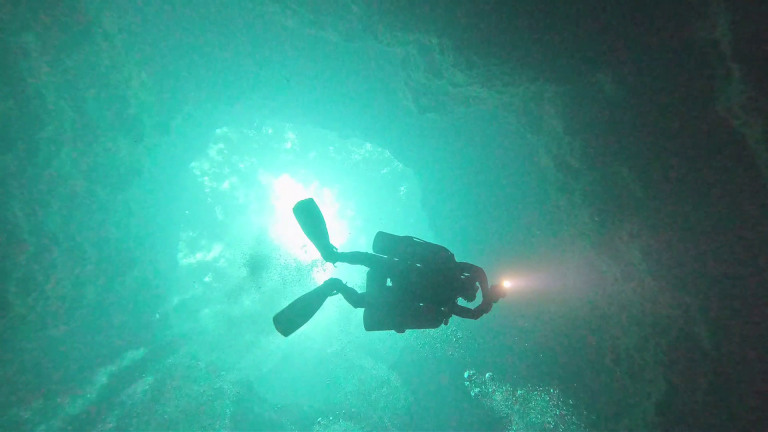
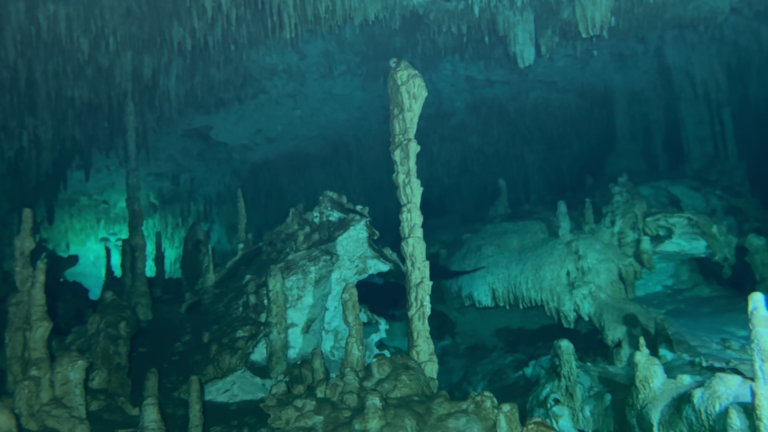
Cenote El Pit is one of the most impressive cenotes, famous for its depth, its visible halocline, and the cloud of hydrogen sulfide that creates a surreal effect.

El Pit is one of the deepest and most spectacular cenotes on the Riviera Maya. With a well-like structure, its opening allows sunlight to penetrate dozens of meters, creating a breathtaking light show.

THE EXPERIENCE

  • “The feeling of scale and depth is unlike any other cenote”


  • “Descending into The Pit is like diving into a living photograph”


  • “Descend through light, darkness, and a surreal underwater cloud”
  • Schedule

    Around 8:00 AM start your day by meeting your guide at the dive center, reviewing your gear, and traveling to the cenote by van.

  • Briefing & Preparation

    Receive a detailed safety briefing, get familiar with the equipment and learn about the dive plan and hand signals with your certified guide.

  • Diving (2 dives)

    Enjoy two guided dives through stalactites, tree roots, and haloclines, observing cave-adapted wildlife and the extraordinary visibility unique to cenotes. During surface intervale you will receive some snacks & refreshments.

  • Equipment storage & Snacks

    Exit the cenote safely, store your gear properly, and enjoy a light snack while debriefing before heading back.

  • Return

    Around 3:00 PM, we get back to the dive center, sharing your experience and reflecting on your adventure.

Cenote El Pit

Descend into the eye of the sky, where the light embraces the depths

WHAT IS INCLUDED

Water

  Round transportation

  Snacks

  Fruits and refreshments

Lamps, weights & tanks

WHAT IS NOT INCLUDED

Cenote entrance fee

Equipment rental

📷 Photos and videos

  Gratuities
Recommendations

Get a Good night’s sleep

Hydrate properly in advance

Eat a light, balanced meal

Do not drink excessively the night before

Insect repellent & sunscream are not allowed

Cenote El Pit

Descend into the eye of the sky, where the light embraces the depths

Frequently Asked Questions

Do I need a certification to dive in cenotes?
Yes, open water certification is required as minimum. 
Is cenote diving dangerous?

Cenote diving is very safe when done with certified guides, following the rules within established limits for depth, light, and experience level.

How deep are cenote dives?

Depth varies by cenote. Recreational dives stay within safe depth limits, while deeper dives require advanced or technical certification.

Why do cenotes charge an entrance fee?

Cenotes are privately owned, and the entrance fee is collected by the owners. The fee helps cover maintenance, safety, conservation, and guide services, ensuring that the cenote remains protected, accessible, and well-managed for visitors now and in the future.

Can I bring a camera or GoPro?

Yes, as long as it doesn’t interfere with safety or damage the environment. Some cenotes may require special permission. And may have extra costs

Are cenotes saltwater or freshwater?

Cenotes are primarily freshwater, though some have haloclines where freshwater and saltwater meet.

Is cenote diving better than ocean diving?

It’s different. Cenotes offer incredible visibility, unique geology, and light effects, while ocean dives offer marine life and currents.

Can I wear makeup or lotions before diving?

No. Makeup, lotions, and oils can contaminate the water. Most cenotes require guests to rinse before entering.

Do cenotes have fish or wildlife?

Yes. You may see small freshwater fish, turtles in open cenotes, and unique cave-adapted species such as blind fish and shrimp in deeper areas.

Is the water cold?

Water temperature is usually around 24–25°C (75–77°F) year-round. Wetsuits are suggested for comfort.

What will I see underwater?

Crystal-clear freshwater, limestone formations, stalactites and stalagmites, natural light beams, tree roots, and sometimes haloclines.

Do I need previous cavern experience?

No, for recreational cavern dives that stay in the light zone (60 meters from entrance). 

How long does a cenote dive last?

Most dives last between 40 and 60 minutes, depending on air consumption and dive profile.

Is cenote diving suitable for claustrophobic people?

Most recreational cenote dives take place in wide, open caverns with visible exits and natural light, which many people find comfortable.

Do cenotes have currents or waves?

No. Cenotes are freshwater systems with no waves and almost no current, which makes diving calm and controlled.

Can children dive in cenotes?

Yes, depending on age, certification, and the specific cenote. Usually the minimum age is 15 years old.

Why are cenotes considered sacred?

For the ancient Maya, cenotes were sources of life and spiritual gateways to the underworld, giving them deep cultural significance.

Why can’t I use sunscreen or insect repellent in cenotes?

Most sunscreens and repellents contain chemicals that contaminate cenote water and damage fragile ecosystems. Cenotes are closed freshwater systems, so pollutants stay trapped and can harm aquatic life and formations.

Explore the crystal-clear waters and ancient Mayan secrets of Mexico's underground rivers

Cenote Maravilla

Cenote Maravilla

Where crystal-clear water reveals a true natural wonder

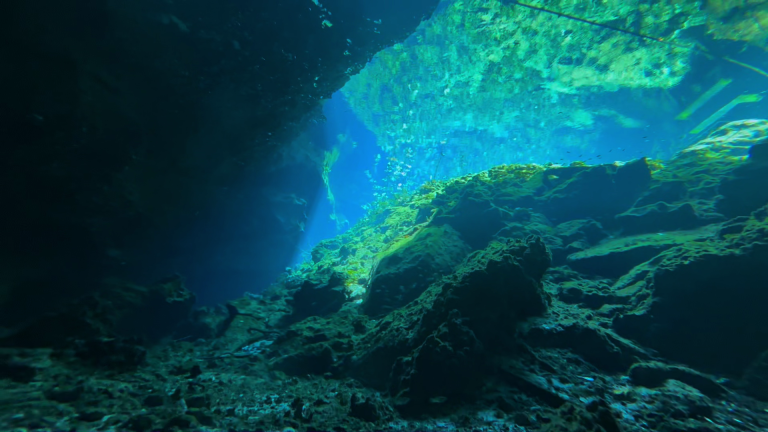
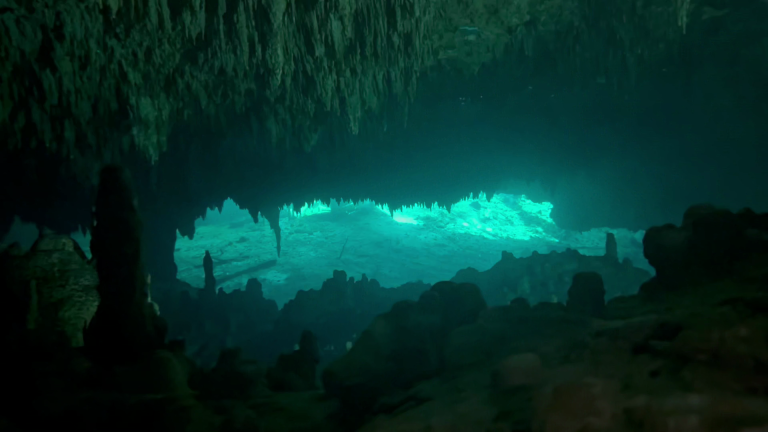
Cenote Maravilla opens up into a spacious, 30m diameter sinkhole offering stunning views of laser-like sunlight beams cutting across the haze of its sulfur cloud.

Natural light illuminates limestone formations and the entire floaded chamber, creating soft contrasts and excellent visibility. Cenote Maravilla is perfect for divers who want to focus on buoyancy control, slow exploration, and enjoying the tranquil side of cenote diving while connecting deeply with the natural environment.

THE EXPERIENCE

  • “An extraordinary cenote shaped by limestone, water, and light”
  • “Sunbeams reveal the hidden beauty of an underground sanctuary”
  • “Dive through beams of light in a hidden underground world”
  • Schedule

    Around 8:00 AM start your day by meeting your guide at the dive center, reviewing your gear, and traveling to the cenote by van.

  • Briefing & Preparation

    Receive a detailed safety briefing, get familiar with the equipment and learn about the dive plan and hand signals with your certified guide.

  • Diving (2 dives)

    Enjoy two guided dives through stalactites, tree roots, and haloclines, observing cave-adapted wildlife and the extraordinary visibility unique to cenotes. During surface intervale you will receive some snacks & refreshments.

  • Equipment storage & Snacks

    Exit the cenote safely, store your gear properly, and enjoy a light snack while debriefing before heading back.

  • Return

    Around 3:00 PM, we get back to the dive center, sharing your experience and reflecting on your adventure.

Cenote Maravilla

Where crystal-clear water reveals a true natural wonder

WHAT IS INCLUDED

Water

  Round transportation

  Snacks

  Fruits and refreshments

Lamps, weights & tanks

WHAT IS NOT INCLUDED

Cenote entrance fee

Equipment rental

📷 Photos and videos

  Gratuities
Recommendations

Get a Good night’s sleep

Hydrate properly in advance

Eat a light, balanced meal

Do not drink excessively the night before

Insect repellent & sunscream are not allowed

Cenote Maravilla

Where crystal-clear water reveals a true natural wonder

Frequently Asked Questions

Do I need a certification to dive in cenotes?
Yes, open water certification is required as minimum. 
Is cenote diving dangerous?

Cenote diving is very safe when done with certified guides, following the rules within established limits for depth, light, and experience level.

How deep are cenote dives?

Depth varies by cenote. Recreational dives stay within safe depth limits, while deeper dives require advanced or technical certification.

Why do cenotes charge an entrance fee?

Cenotes are privately owned, and the entrance fee is collected by the owners. The fee helps cover maintenance, safety, conservation, and guide services, ensuring that the cenote remains protected, accessible, and well-managed for visitors now and in the future.

Can I bring a camera or GoPro?

Yes, as long as it doesn’t interfere with safety or damage the environment. Some cenotes may require special permission. And may have extra costs

Are cenotes saltwater or freshwater?

Cenotes are primarily freshwater, though some have haloclines where freshwater and saltwater meet.

Is cenote diving better than ocean diving?

It’s different. Cenotes offer incredible visibility, unique geology, and light effects, while ocean dives offer marine life and currents.

Can I wear makeup or lotions before diving?

No. Makeup, lotions, and oils can contaminate the water. Most cenotes require guests to rinse before entering.

Do cenotes have fish or wildlife?

Yes. You may see small freshwater fish, turtles in open cenotes, and unique cave-adapted species such as blind fish and shrimp in deeper areas.

Is the water cold?

Water temperature is usually around 24–25°C (75–77°F) year-round. Wetsuits are suggested for comfort.

What will I see underwater?

Crystal-clear freshwater, limestone formations, stalactites and stalagmites, natural light beams, tree roots, and sometimes haloclines.

Do I need previous cavern experience?

No, for recreational cavern dives that stay in the light zone (60 meters from entrance). 

How long does a cenote dive last?

Most dives last between 40 and 60 minutes, depending on air consumption and dive profile.

Is cenote diving suitable for claustrophobic people?

Most recreational cenote dives take place in wide, open caverns with visible exits and natural light, which many people find comfortable.

Do cenotes have currents or waves?

No. Cenotes are freshwater systems with no waves and almost no current, which makes diving calm and controlled.

Can children dive in cenotes?

Yes, depending on age, certification, and the specific cenote. Usually the minimum age is 15 years old.

Why are cenotes considered sacred?

For the ancient Maya, cenotes were sources of life and spiritual gateways to the underworld, giving them deep cultural significance.

Why can’t I use sunscreen or insect repellent in cenotes?

Most sunscreens and repellents contain chemicals that contaminate cenote water and damage fragile ecosystems. Cenotes are closed freshwater systems, so pollutants stay trapped and can harm aquatic life and formations.

Explore the crystal-clear waters and ancient Mayan secrets of Mexico's underground rivers

Cenote Angelita

Cenote Angelita

Immerse yourself in one of the most surreal underwater worlds on Earth.

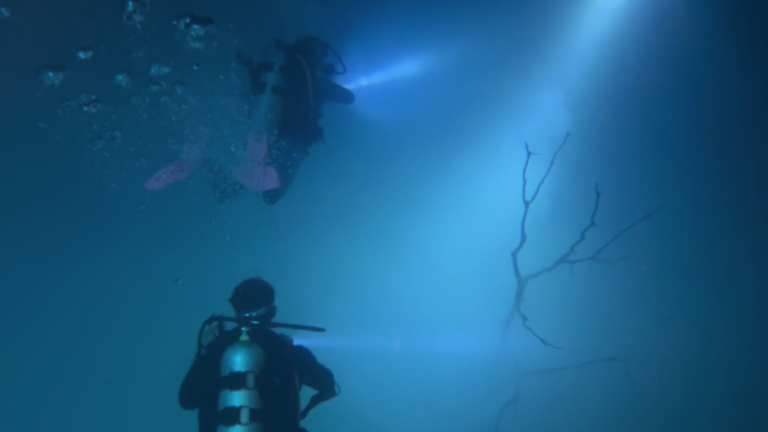
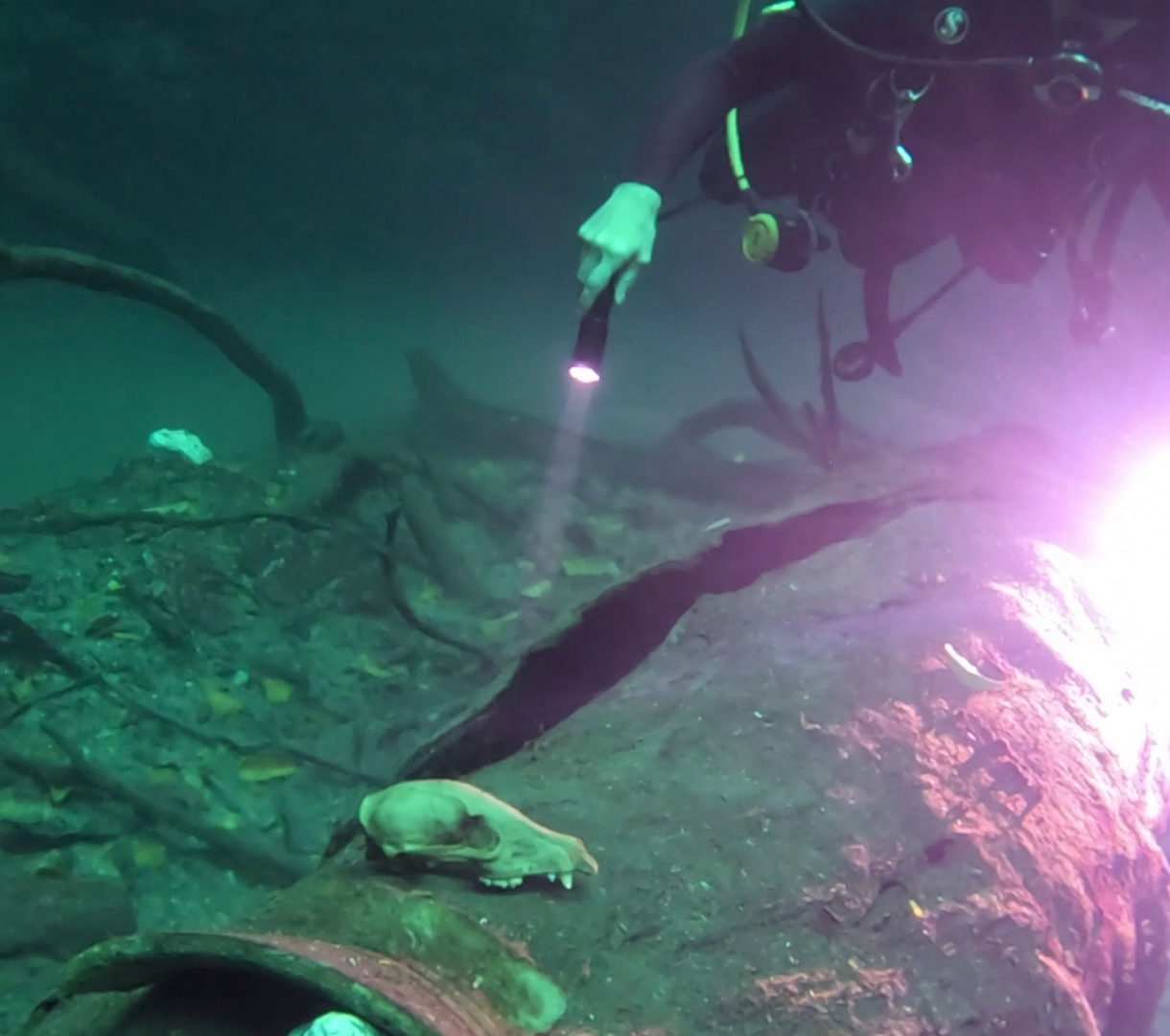
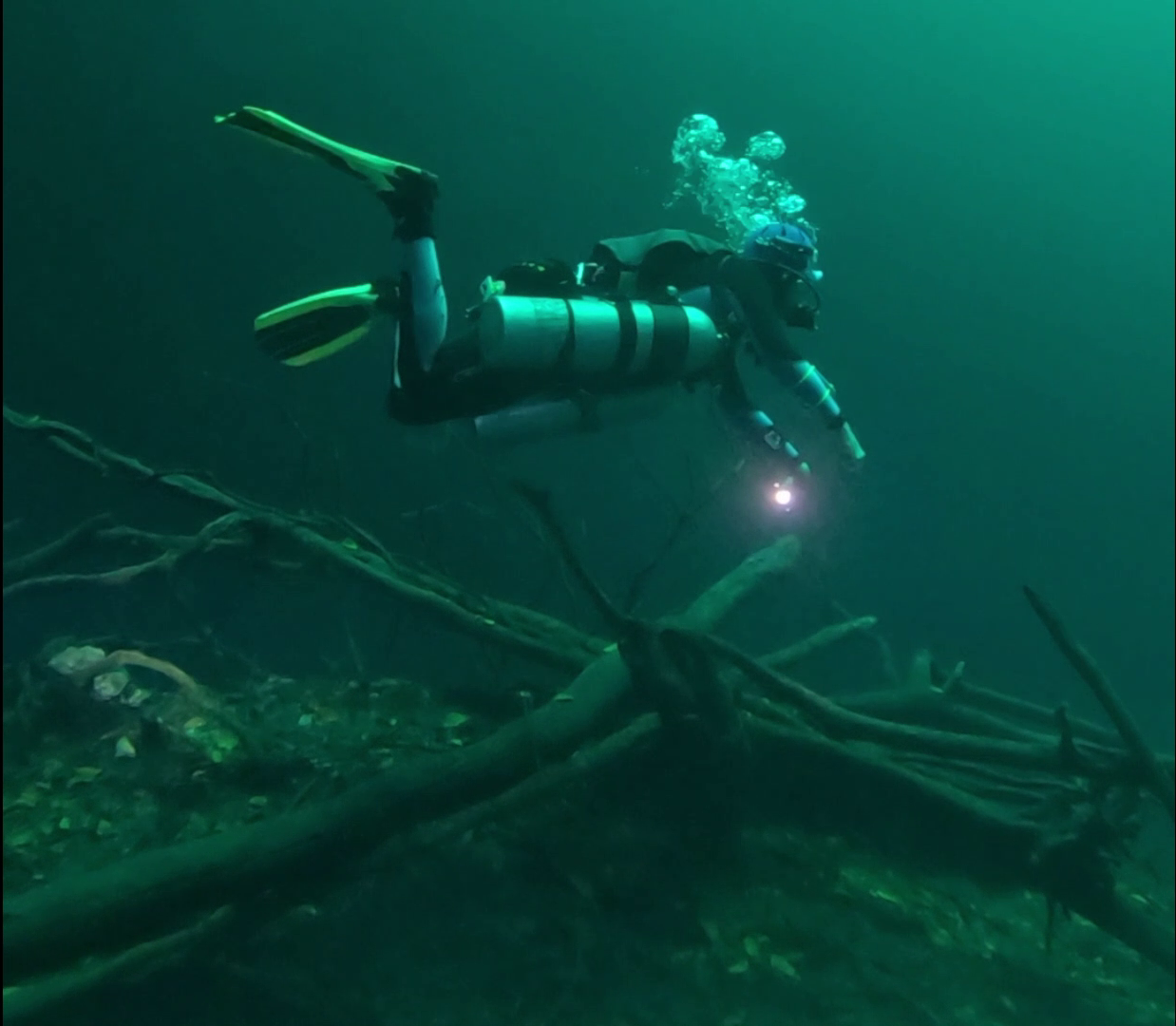
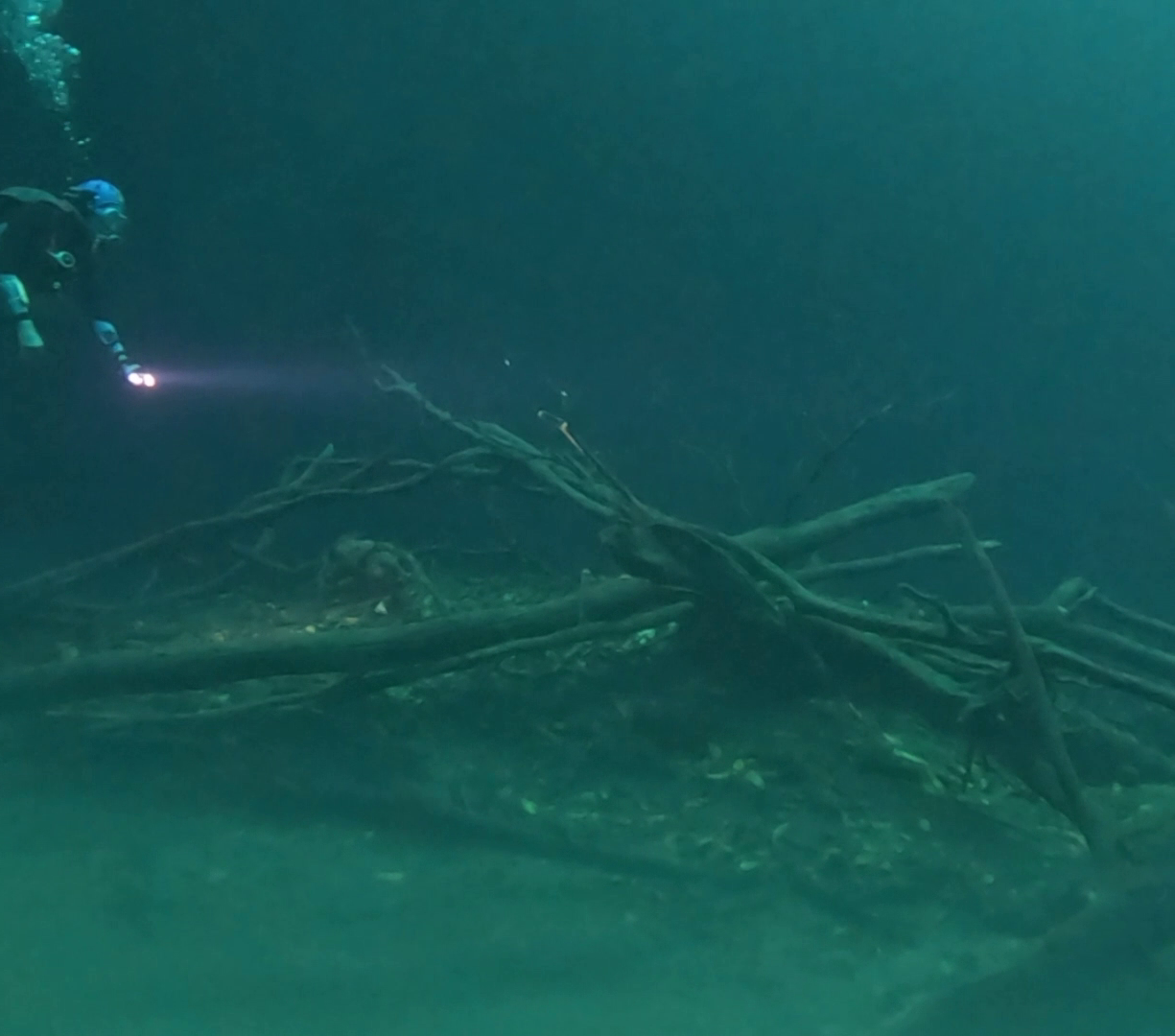
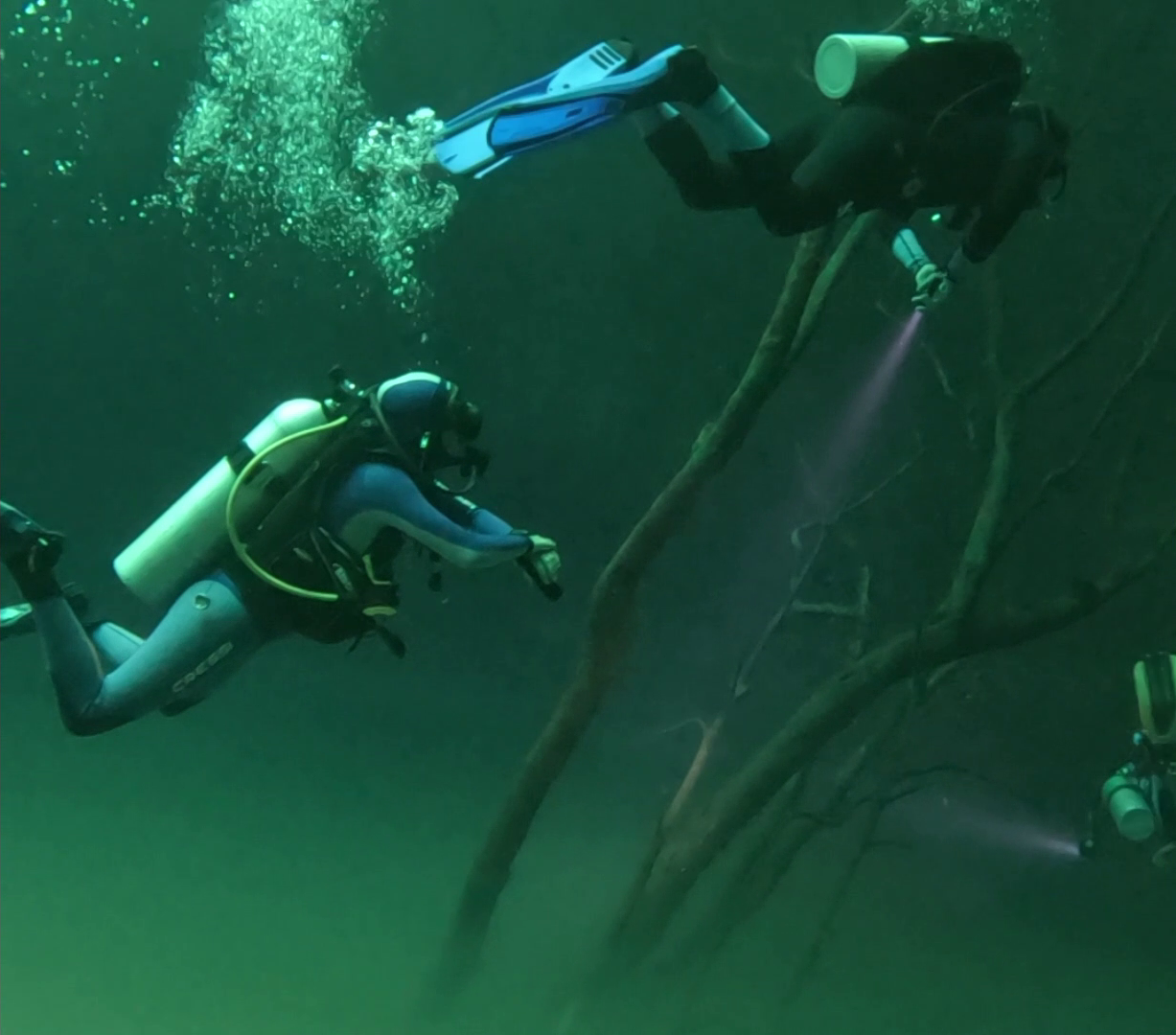
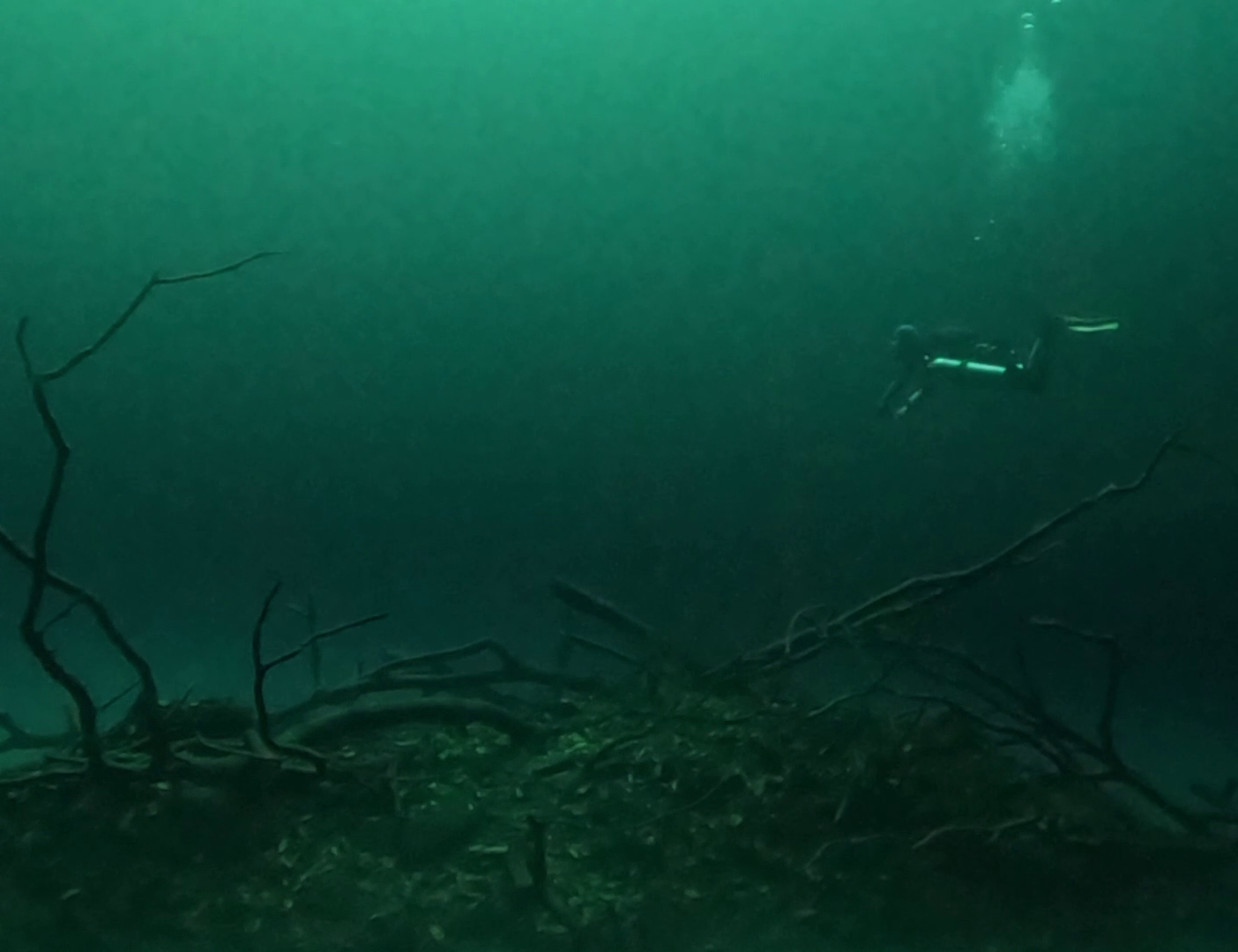
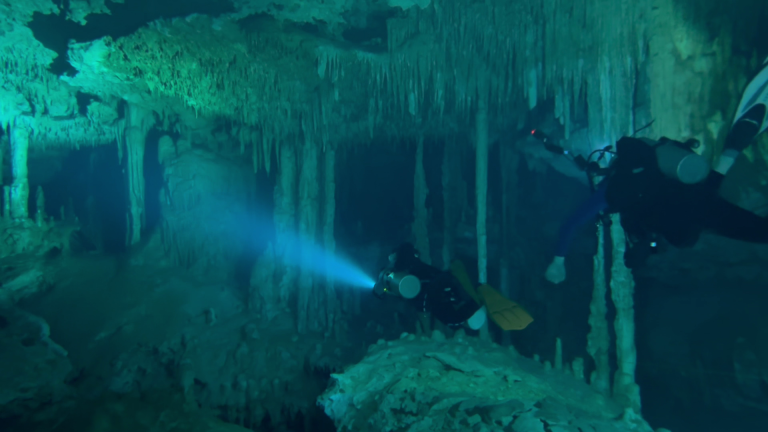
Cenote Angelita is one of the most unique and advanced cenote dives in the world, famous for its surreal hydrogen sulfide cloud that creates the illusion of an underwater river.

This sinkhole cenote offers an unforgettable experience for advanced and technical divers. During the descent, you pass through crystal-clear freshwater before reaching the dramatic cloud layer at around 30 m, where fallen trees and branches appear to float in a mysterious fog. Angelita is not about caverns or formations, but about a purely otherworldly visual phenomenon found in very few places on Earth.

THE EXPERIENCE

  • “Descending into the cloud layer feels like entering another dimension”


  • “The contrast between crystal-clear water and the dark cloud is breathtaking”


  • “The hydrogen sulfide cloud is unreal — it truly feels like flying over an underwater river”
  • Schedule

    Around 8:00 AM start your day by meeting your guide at the dive center, reviewing your gear, and traveling to the cenote by van.

  • Briefing & Preparation

    Receive a detailed safety briefing, get familiar with the equipment and learn about the dive plan and hand signals with your certified guide.

  • Diving (2 dives)

    Enjoy two guided dives through stalactites, tree roots, and haloclines, observing cave-adapted wildlife and the extraordinary visibility unique to cenotes. During surface intervale you will receive some snacks & refreshments.

  • Equipment storage & Snacks

    Exit the cenote safely, store your gear properly, and enjoy a light snack while debriefing before heading back.

  • Return

    Around 3:00 PM, we get back to the dive center, sharing your experience and reflecting on your adventure.

Cenote Angelita

Immerse yourself in one of the most surreal underwater worlds on Earth.

WHAT IS INCLUDED

Water

  Round transportation

  Snacks

  Fruits and refreshments

Lamps, weights & tanks

WHAT IS NOT INCLUDED

Cenote entrance fee

Equipment rental

📷 Photos and videos

  Gratuities
Recommendations

Get a Good night’s sleep

Hydrate properly in advance

Eat a light, balanced meal

Do not drink excessively the night before

Insect repellent & sunscream are not allowed

Cenote Angelita

Immerse yourself in one of the most surreal underwater worlds on Earth.

Frequently Asked Questions

Do I need a certification to dive in cenotes?
Yes, open water certification is required as minimum. 
Is cenote diving dangerous?

Cenote diving is very safe when done with certified guides, following the rules within established limits for depth, light, and experience level.

How deep are cenote dives?

Depth varies by cenote. Recreational dives stay within safe depth limits, while deeper dives require advanced or technical certification.

Why do cenotes charge an entrance fee?

Cenotes are privately owned, and the entrance fee is collected by the owners. The fee helps cover maintenance, safety, conservation, and guide services, ensuring that the cenote remains protected, accessible, and well-managed for visitors now and in the future.

Can I bring a camera or GoPro?

Yes, as long as it doesn’t interfere with safety or damage the environment. Some cenotes may require special permission. And may have extra costs

Are cenotes saltwater or freshwater?

Cenotes are primarily freshwater, though some have haloclines where freshwater and saltwater meet.

Is cenote diving better than ocean diving?

It’s different. Cenotes offer incredible visibility, unique geology, and light effects, while ocean dives offer marine life and currents.

Can I wear makeup or lotions before diving?

No. Makeup, lotions, and oils can contaminate the water. Most cenotes require guests to rinse before entering.

Do cenotes have fish or wildlife?

Yes. You may see small freshwater fish, turtles in open cenotes, and unique cave-adapted species such as blind fish and shrimp in deeper areas.

Is the water cold?

Water temperature is usually around 24–25°C (75–77°F) year-round. Wetsuits are suggested for comfort.

What will I see underwater?

Crystal-clear freshwater, limestone formations, stalactites and stalagmites, natural light beams, tree roots, and sometimes haloclines.

Do I need previous cavern experience?

No, for recreational cavern dives that stay in the light zone (60 meters from entrance). 

How long does a cenote dive last?

Most dives last between 40 and 60 minutes, depending on air consumption and dive profile.

Is cenote diving suitable for claustrophobic people?

Most recreational cenote dives take place in wide, open caverns with visible exits and natural light, which many people find comfortable.

Do cenotes have currents or waves?

No. Cenotes are freshwater systems with no waves and almost no current, which makes diving calm and controlled.

Can children dive in cenotes?

Yes, depending on age, certification, and the specific cenote. Usually the minimum age is 15 years old.

Why are cenotes considered sacred?

For the ancient Maya, cenotes were sources of life and spiritual gateways to the underworld, giving them deep cultural significance.

Why can’t I use sunscreen or insect repellent in cenotes?

Most sunscreens and repellents contain chemicals that contaminate cenote water and damage fragile ecosystems. Cenotes are closed freshwater systems, so pollutants stay trapped and can harm aquatic life and formations.

Explore the crystal-clear waters and ancient Mayan secrets of Mexico's underground rivers

Cenote Nicte Ha

Cenote Nicte Ha

Immerse yourself in an underwater garden of magical lilies

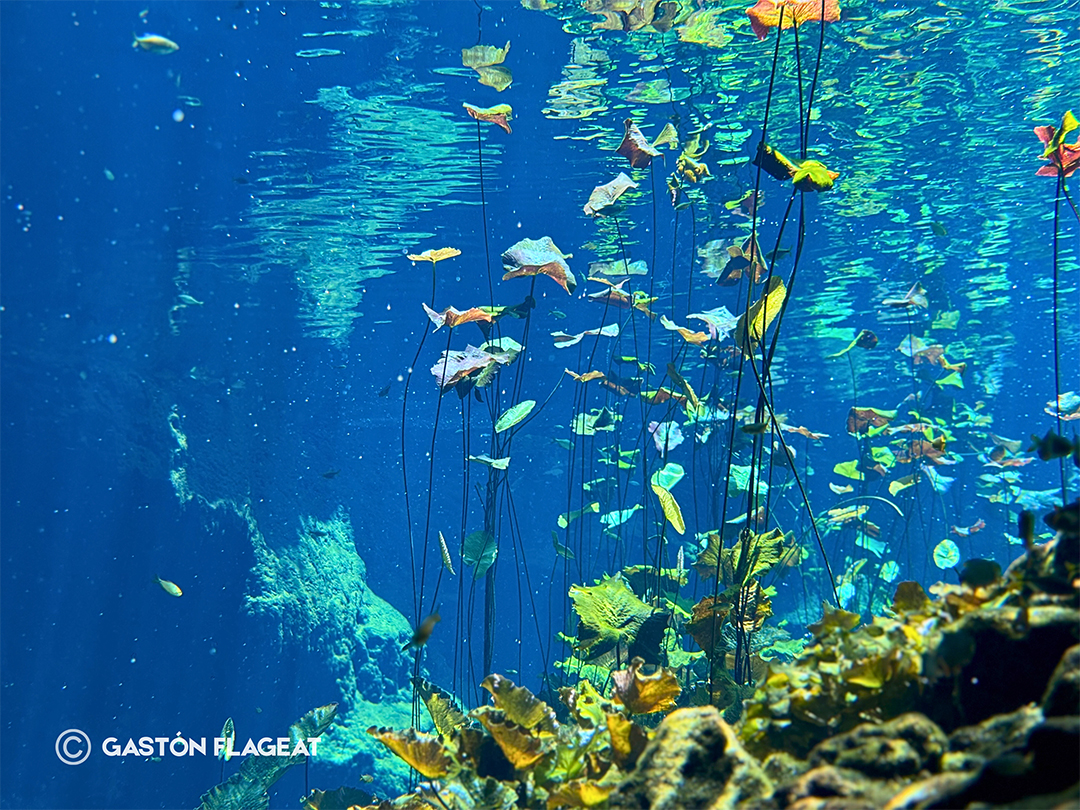
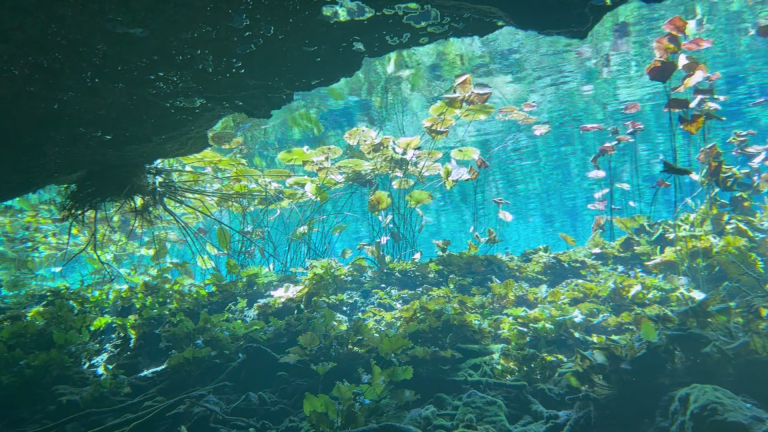
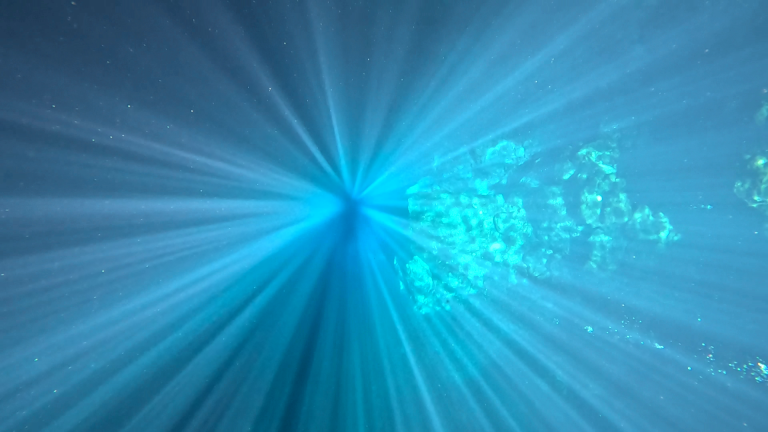
Cenote Nicte Ha is a peaceful open cenote located near Tulum, known for its crystal-clear water, beautiful floating lilies, and a calm atmosphere away from the crowds. Surrounded by lush vegetation and small wildlife, Nicte Ha stands out as a tranquil natural gem in the Riviera Maya.

This cenote offers a relaxed environment for certified divers. Sunlight penetrates the water, illuminating limestone formations and aquatic vegetation, creating excellent conditions for underwater photography. Nicte Ha is perfect for divers with good buoyancy control, looking to enjoy a peaceful dive, and explore this unique scenic setting.

THE EXPERIENCE

  • “Clean and clear water, tranquil and less touristy than other cenotes — a true hidden gem”


  • “Wonderful place away from tourist crowds. A must visit cenote for advanced divers”


  • “The water lilies give stunning backgrounds and great pictures”
  • Schedule

    Around 8:00 AM start your day by meeting your guide at the dive center, reviewing your gear, and traveling to the cenote by van.

  • Briefing & Preparation

    Receive a detailed safety briefing, get familiar with the equipment and learn about the dive plan and hand signals with your certified guide.

  • Diving (2 dives)

    Enjoy two guided dives through stalactites, tree roots, and haloclines, observing cave-adapted wildlife and the extraordinary visibility unique to cenotes. During surface intervale you will receive some snacks & refreshments.

  • Equipment storage & Snacks

    Exit the cenote safely, store your gear properly, and enjoy a light snack while debriefing before heading back.

  • Return

    Around 3:00 PM, we get back to the dive center, sharing your experience and reflecting on your adventure.

Cenote Nicte Ha

Immerse yourself in an underwater garden of magical lilies

WHAT IS INCLUDED

Water

  Round transportation

  Snacks

  Fruits and refreshments

Lamps, weights & tanks

WHAT IS NOT INCLUDED

Cenote entrance fee

Equipment rental

📷 Photos and videos

  Gratuities
Recommendations

Get a Good night’s sleep

Hydrate properly in advance

Eat a light, balanced meal

Do not drink excessively the night before

Insect repellent & sunscream are not allowed

Cenote Nicte Ha

Immerse yourself in an underwater garden of magical lilies

Frequently Asked Questions

Do I need a certification to dive in cenotes?
Yes, open water certification is required as minimum. 
Is cenote diving dangerous?

Cenote diving is very safe when done with certified guides, following the rules within established limits for depth, light, and experience level.

How deep are cenote dives?

Depth varies by cenote. Recreational dives stay within safe depth limits, while deeper dives require advanced or technical certification.

Why do cenotes charge an entrance fee?

Cenotes are privately owned, and the entrance fee is collected by the owners. The fee helps cover maintenance, safety, conservation, and guide services, ensuring that the cenote remains protected, accessible, and well-managed for visitors now and in the future.

Can I bring a camera or GoPro?

Yes, as long as it doesn’t interfere with safety or damage the environment. Some cenotes may require special permission. And may have extra costs

Are cenotes saltwater or freshwater?

Cenotes are primarily freshwater, though some have haloclines where freshwater and saltwater meet.

Is cenote diving better than ocean diving?

It’s different. Cenotes offer incredible visibility, unique geology, and light effects, while ocean dives offer marine life and currents.

Can I wear makeup or lotions before diving?

No. Makeup, lotions, and oils can contaminate the water. Most cenotes require guests to rinse before entering.

Do cenotes have fish or wildlife?

Yes. You may see small freshwater fish, turtles in open cenotes, and unique cave-adapted species such as blind fish and shrimp in deeper areas.

Is the water cold?

Water temperature is usually around 24–25°C (75–77°F) year-round. Wetsuits are suggested for comfort.

What will I see underwater?

Crystal-clear freshwater, limestone formations, stalactites and stalagmites, natural light beams, tree roots, and sometimes haloclines.

Do I need previous cavern experience?

No, for recreational cavern dives that stay in the light zone (60 meters from entrance). 

How long does a cenote dive last?

Most dives last between 40 and 60 minutes, depending on air consumption and dive profile.

Is cenote diving suitable for claustrophobic people?

Most recreational cenote dives take place in wide, open caverns with visible exits and natural light, which many people find comfortable.

Do cenotes have currents or waves?

No. Cenotes are freshwater systems with no waves and almost no current, which makes diving calm and controlled.

Can children dive in cenotes?

Yes, depending on age, certification, and the specific cenote. Usually the minimum age is 15 years old.

Why are cenotes considered sacred?

For the ancient Maya, cenotes were sources of life and spiritual gateways to the underworld, giving them deep cultural significance.

Why can’t I use sunscreen or insect repellent in cenotes?

Most sunscreens and repellents contain chemicals that contaminate cenote water and damage fragile ecosystems. Cenotes are closed freshwater systems, so pollutants stay trapped and can harm aquatic life and formations.

Explore the crystal-clear waters and ancient Mayan secrets of Mexico's underground rivers
Scroll to Top